«Кухня старого Харкова»: новий цикл матеріалів Андрія Парамонова на MediaPort

Озвучено за допомогою ШІ (Google Cloud).
Текст перекладу
“The Cuisine of Old Kharkiv”: A New Series of Articles by Andriy Paramonov on MediaPort
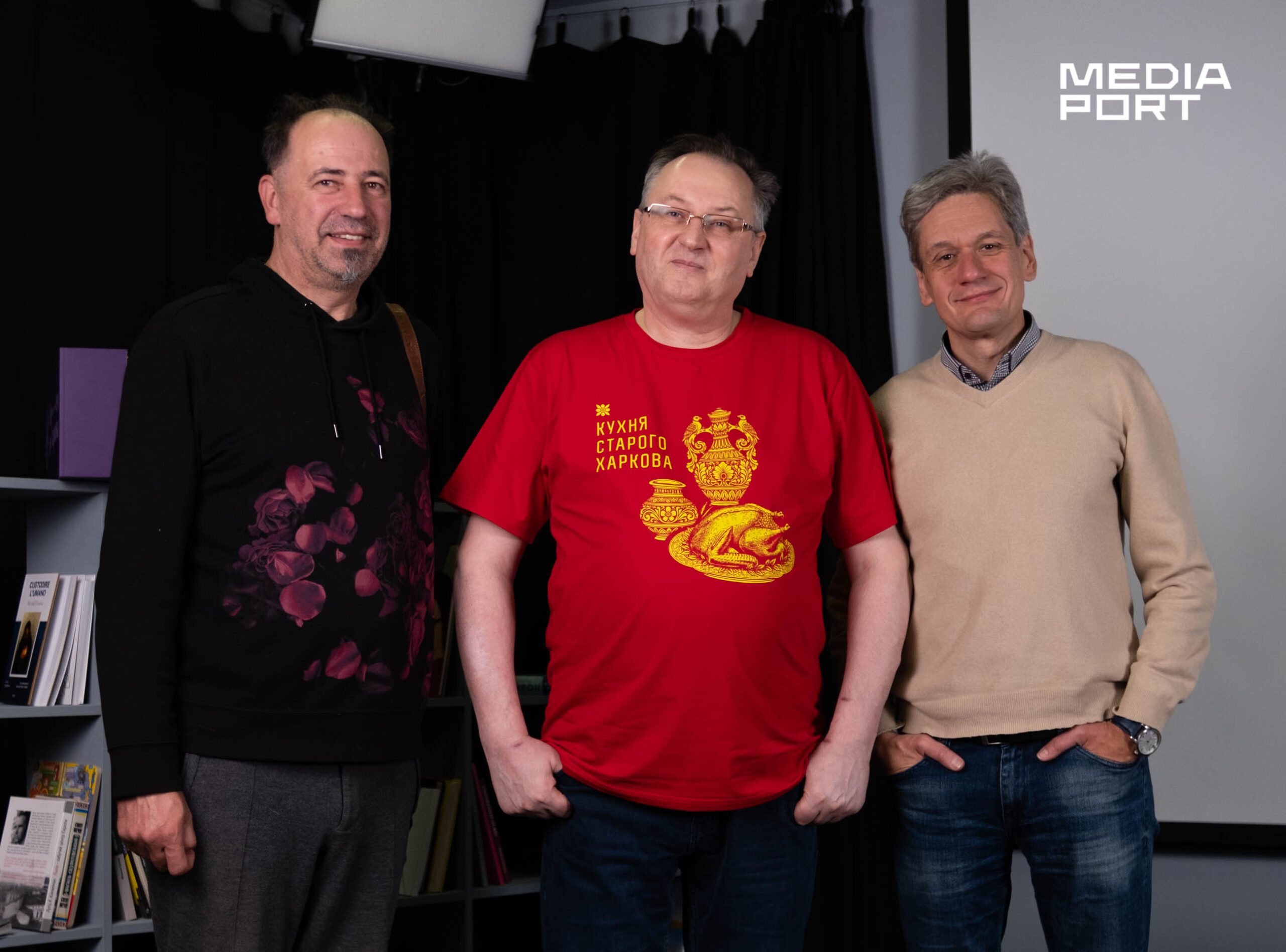
What did the residents of old Kharkiv eat, and why would their tastes seem rather peculiar to us today? How did the cuisine of the provincial capital differ from rural cooking, and what forgotten recipes lie hidden within dusty court records? MediaPort has wrapped up its “Kharkiv Fortress” historical series and is proud to present a brand-new column by Sloboda Ukraine researcher Andriy Paramonov: “The Cuisine of Old Kharkiv.”
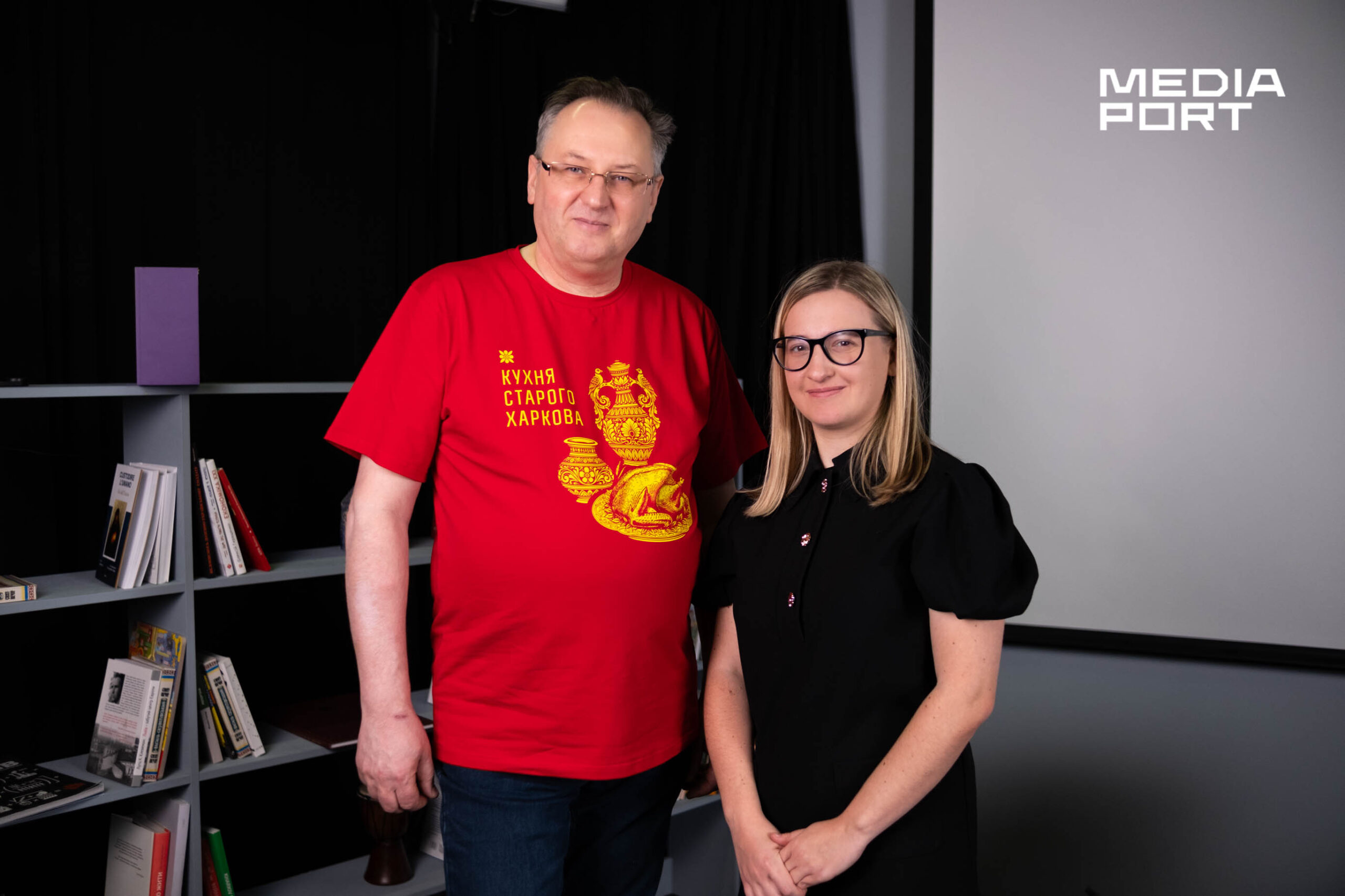
We sat down to discuss the new project. Andriy Paramonov invites readers to dive into this subject—a very appetizing one, hopefully. Or is it? Just yesterday, Mr. Paramonov remarked that the palate of old Kharkivites might not entirely appeal to modern tastes.
Andriy Paramonov: Not only Kharkivites, but people across all of Slobozhanshchyna. You know how this topic even came about? Many chefs and culinary researchers claim: “There is nothing unique in Slobozhanshchyna; they have no authentic local cuisine, no distinctive dishes.” Naturally, that struck a nerve, and I felt compelled to explore this deeper. I have published occasional notes on culinary history before, but today it is time to take it to another level. And we will be doing some tasting along the way.
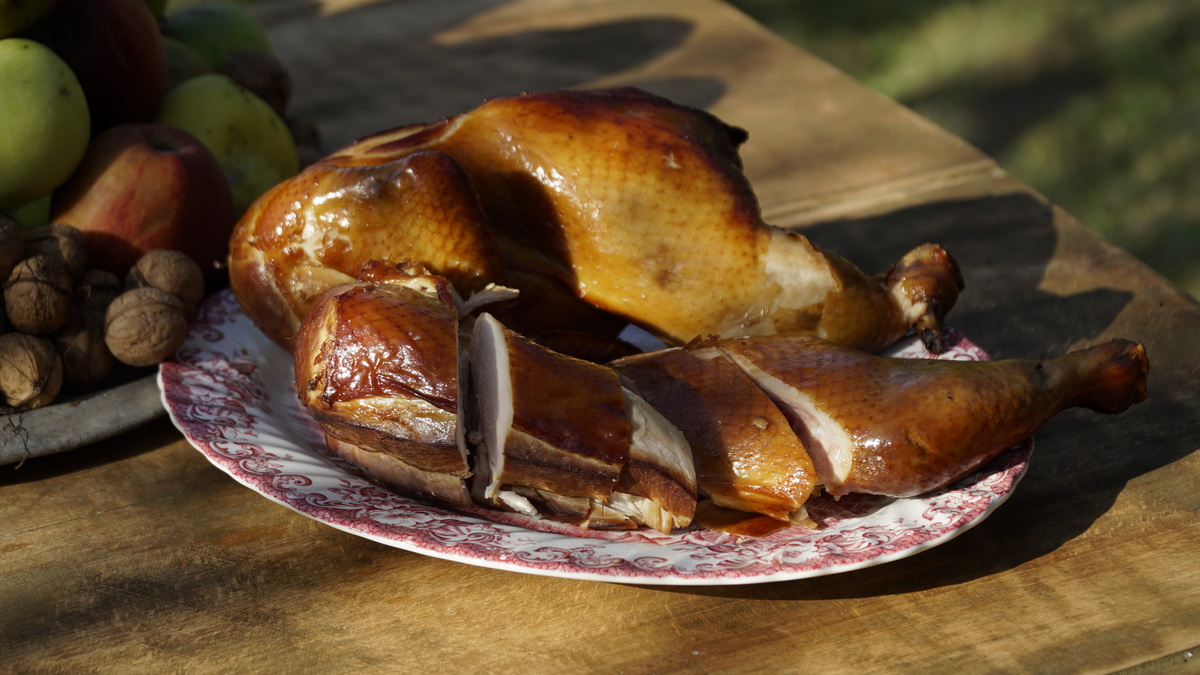
What we are presenting today [during the public launch event on October 23] is quite specific. I have baked plenty of bread in my life and even worked at an industrial bakery, but today marks the first time I attempted to bake authentic traditional rye bread. Some parts worked out, some didn’t, but the children ate it and declared it delicious. Soon, you will be able to share your own verdict.
Another crucial factor: when discussing historical cuisine, one must consider the technology used to prepare it. Today, I rely on an electric oven; I don’t have a traditional wood-fired masonry hearth where these dishes were originally meant to slow-cook. That is another modern variable that diverges significantly from the past.
How would you characterize the historical cuisine of Kharkiv? Is it broader Ukrainian, or distinctly Slobodan?
A.P.: Looking at Sloboda Ukraine as a whole, people generally cooked along similar lines. The northern border territories developed their own distinct profile and flavor palette. The Kupyansk region or the Starobilsk district had their own specific traditions. Areas along major rivers with an abundance of freshwater fish naturally favored a seafood-heavy diet.
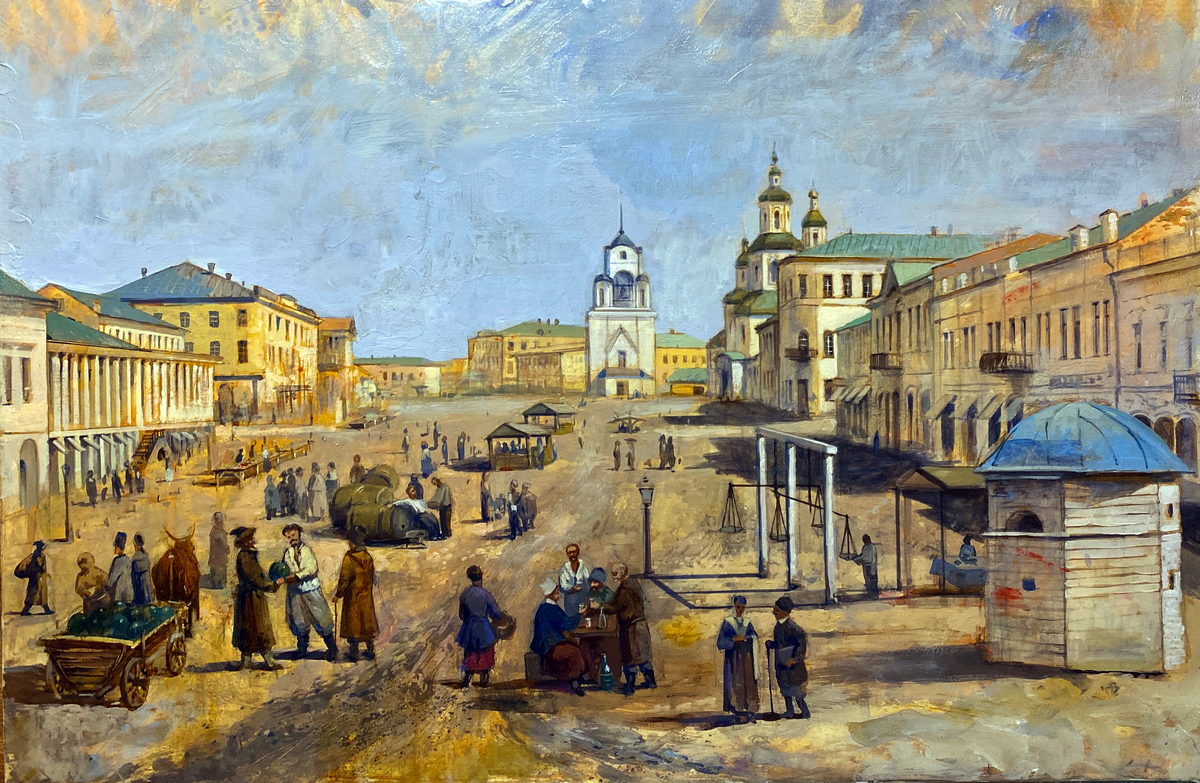
And what was Kharkiv? Kharkiv was a provincial capital (hubernske misto) where literally anything could be bought. A local homemaker never had to worry about where to source fresh beets or beet kvass—in Kharkiv, everything was readily available! Endless varieties of spices, seasonings, and imported ingredients filled the stalls. In Kharkiv, people could afford to eat chicken whenever their wallet or craving allowed—something Sloboda peasants would never do, because to a villager, a hen’s primary value was laying eggs.
Kharkiv is also about social stratification. You had nobility, imperial officials, merchants, burghers, and peasants, each with their own distinct culinary world. So on the one hand, the city's food culture differed from the countryside; on the other, it fragmented into dozens of nuanced sub-cuisines. There is enough material here for several hundred essays!
As for its identity: it is undeniably Ukrainian on one level, and distinctly Slobodan on another, but above all, it is traditional. When I say “traditional”—in the context of what we will be exploring—I mean the foodways of the 17th, 18th, and 19th centuries. You will not find the modern borscht you cook every day or two, laden with tomatoes and potatoes. Palates were genuinely different back then: people favored sour and salty flavor profiles. These were also widely believed to be healthier.
Another challenge: no precise period recipe books have survived with step-by-step measurements detailing how much of each ingredient to use.
Does that mean there won't be any recipes?
A.P.: There will be, but they require reconstruction. For instance, I baked a pie today using an identical baseline recipe, but I started experimenting: I prepared one portion with one proportion, and another differently, using the exact same ingredients. The first turned out decent enough, albeit somewhat unusual, while the second failed completely—so I simply ate that one at home with the kids... I even spotted someone in the audience who admitted they came tonight solely because they heard there would be pie!
Mr. Paramonov, what historical sources will you draw upon to reconstruct the cuisine of old Kharkiv?
A.P.: Primarily, concrete documentary records that describe specific meals. There are quite a few of them, particularly for the second half of the 19th century.
Intriguingly, certain dishes are preserved in old court records. I used to draw on these primarily for my historical short stories, but they also serve as stand-alone sources for culinary research.
How are culinary details reflected in legal archives?
A.P.: Take an example from when we organized the “Day of One Street” on Universytetska: we baked a pastry I dubbed the “Rohozianka Blossom.” How did that recipe come to light? Through an archival court case involving two women traveling from the village of Rohozianka to sell goods at the Kharkiv market. One of them was transporting baked pastries. Along the road, an argument broke out, and one woman shoved the other, overturning her basket and ruining the entire batch. Having lost her goods, the vendor filed a formal legal complaint, meticulously listing every single raw ingredient and quantity she had expended to bake them. Right there, you have the exact formula of a period recipe!
Another case involved an assault where one woman dumped a pot of hot borscht over another. They were quarreling because one accused the other of cooking inferior borscht, which culminated in the pot being emptied over her head. The police report meticulously documented the exact remnants and food stains left on the victim's clothing. Details like that reveal the precise components that went into an authentic pot of borscht.
There are also straightforward culinary manuscripts, though they mostly center around Easter preparations. When spring arrives, we might even organize a small tasting fair to showcase how those traditional dishes differ from modern counterparts. But mark my words: if you were to taste an authentic 18th-century paska, you likely wouldn't enjoy it.
Why is that?
A.P.: Because it was essentially an ordinary hearth-baked bread, only slightly sweetened. It bore very little resemblance to the rich, glazed pastry baked today.
Old Kharkiv had a dense network of taverns, restaurants, and inns (shynky). Do you plan to feature commercial dishes in your columns?
A.P.: High-end restaurants from the late 19th century—definitely not. By that point, menus had become standardized European fare: cuts of meat with vegetables masked behind pretentious French names. There is little historical value in rehashing that.
However, certain aspects of everyday taverns and public inns remain fascinating and colorful. An entire class of urbanites took their daily meals exclusively in local shynky because it was inexpensive. Those establishments formed an integral part of the daily culinary reality for both Kharkivites and Sloboda folk.
Do you plan to illustrate the series?
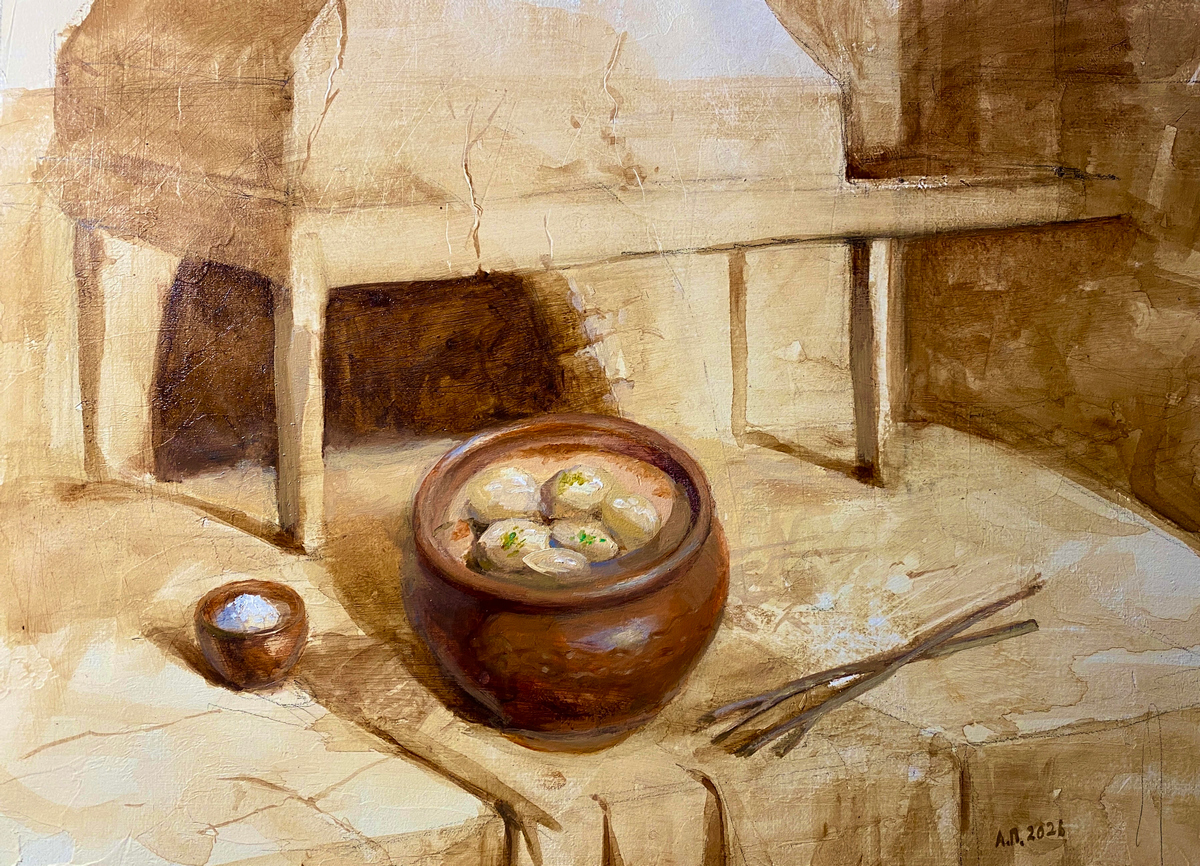
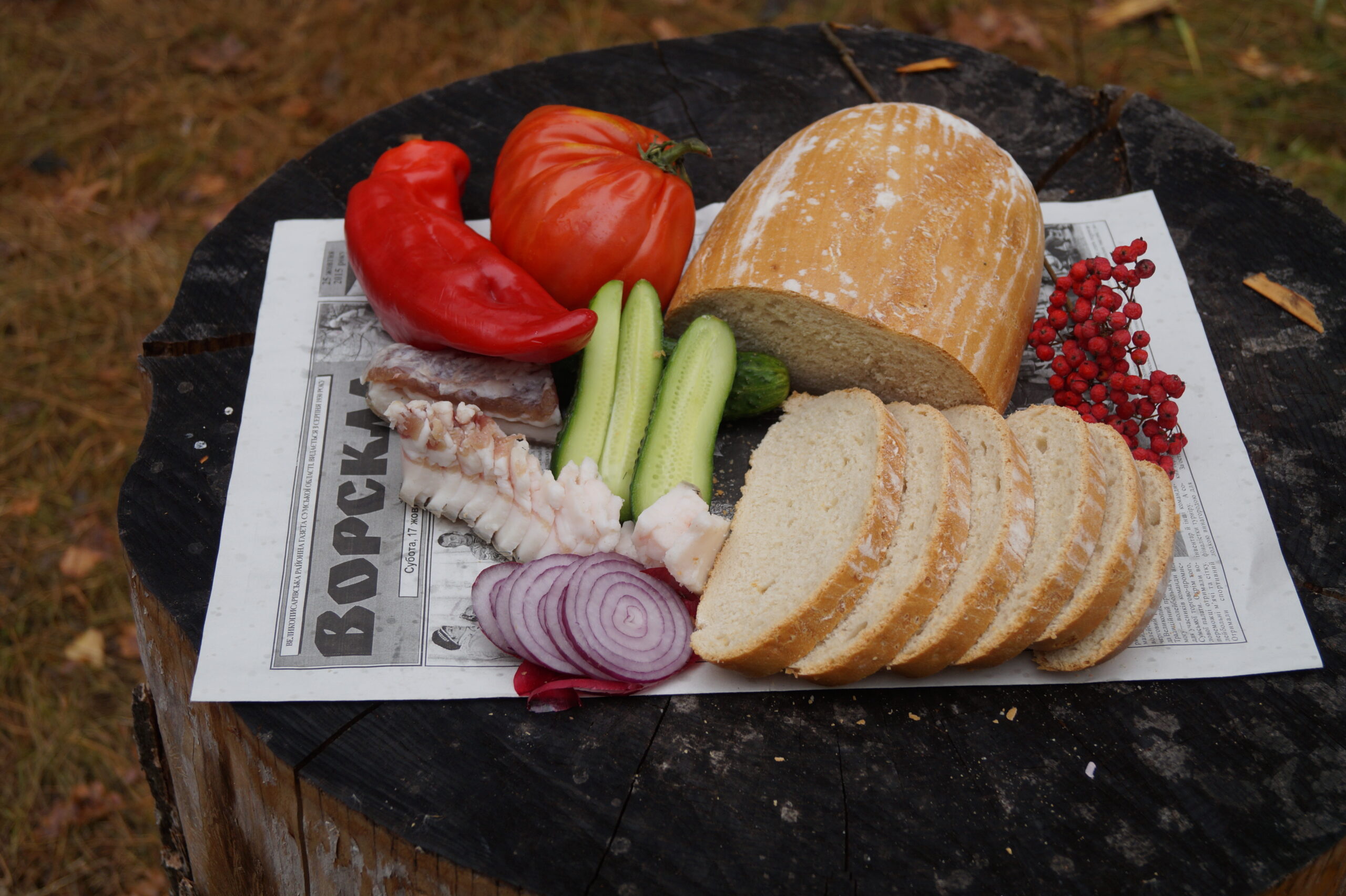
A.P.: Our goal is to have Artem Pohribnyi create at least one original illustration for each installment; we already have several concepts mapped out. In other cases, we can prepare historical dishes or stage key raw ingredients for photography. Most modern readers cannot even imagine what our ancestors used to craft out of simple carrots, dry beans, or early root crops.
Speaking of which: how did Kharkiv stand apart from other settlements across Slobozhanshchyna? Potatoes began to be cultivated in Kharkiv remarkably early, back in the 18th century. In our opening installments, we will outline what goods could be bought at local fairs and municipal markets, and what was cultivated in urban kitchen gardens. Establishing this foundation is essential for understanding how the local food economy functioned, and how provisions were preserved.
Someone once reproached me after an article where I noted that every Sloboda peasant considered it vital to lay in stores of rye flour, sauerkraut, and kvass for the winter. They asked: “What kind of imported Muscovite diet is that?” People fail to realize that without modern refrigeration, you could not simply store fresh cabbage in a cellar through winter—it rots and shrinks. The only viable preservation technique available was fermentation.
You concluded the “Kharkiv Fortress” project with an interactive historical map. Is it possible to map out old Kharkiv through its culinary landmarks?
A.P.: A single map wouldn't be enough—there was an inn on virtually every street corner! But yes, we can certainly pinpoint the most intriguing taverns and historic eateries. We can chart where the earliest urban potato patches were cultivated, and which city neighborhoods were renowned for baking specific styles of bread.
I was disheartened to hear a passing remark suggesting that this is no time to dwell on food while so many people are enduring hardship. But hardship is a constant companion of human history. No one knows how long this war will drag on, or what challenges will emerge in its aftermath. I am deeply grateful to the MediaPort editorial team; our partnership has been truly revitalizing for me. The heaviest burden for an author is feeling unneeded. Projects like this remind me that one must keep living, creating, and bringing cherished ideas to life.
Read the inaugural article of the “Cuisine of Old Kharkiv” series on MediaPort today, October 29, at 5:00 PM.
Що їли жителі старого Харкова і чому їхні смаки сьогодні здалися б нам дивними? Чим кухня губернського Харкова відрізнялася від сільської і які рецепти ховаються у судових справах? MediaPort підбив підсумки циклу матеріалів «Фортеця Харків» і презентує нову серію колонок дослідника історії Слобідської України Андрія Парамонова — «Кухня Старого Харкова».
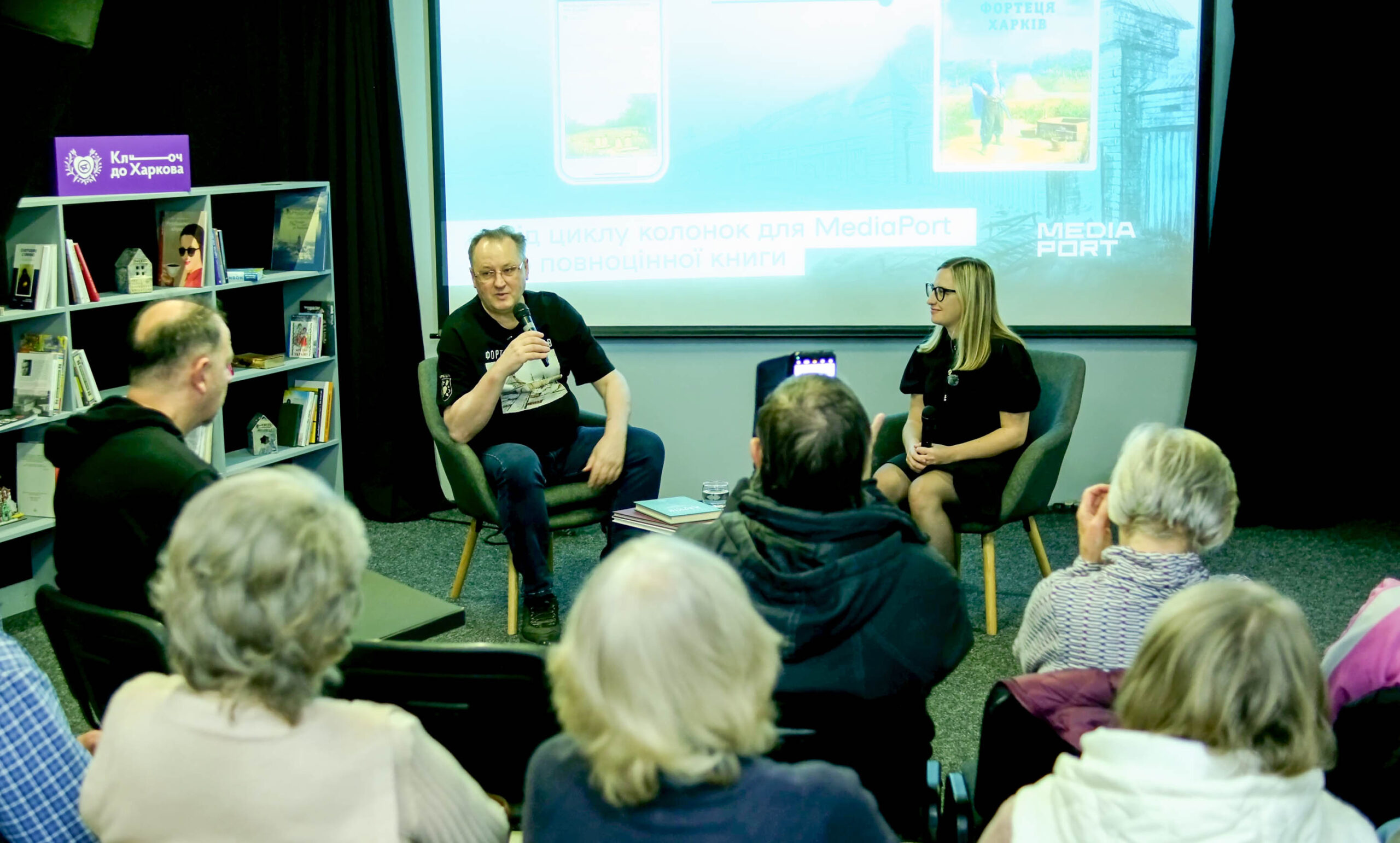
Говоримо про новий проєкт «Кухня Старого Харкова». Андрій Парамонов пропонує зануритися у цю тему — дуже смачну, я сподіваюсь. Чи не дуже? Бо коли ми вчора говорили про це, пан Андрій сказав, що смаки старих харківців не дуже сучасним харківцям сподобаються.
Не тільки харківців, а слобожан. Ця тема виникла, знаєте, з чого? Дуже багато кухарів, людей, які займаються вивченням стародавніх рецептів, кажуть: «А на Слобожанщині нічого немає, у них немає своєї кухні, ніяких особливих страв». Звісно, це зачепило, і хочеться у цьому напрямку просуватися. Я писав деякі пости з історії кухні, але сьогодні треба переходити на інший рівень.
Будемо і смакувати. Те, що ми запропонуємо вам сьогодні [під час заходу 23 жовтня], — специфічне. Я багато випікав хлібів, працював на хлібозаводі, але сьогодні спробував вперше зробити житній хліб. Щось вийшло, щось не вийшло, але все одно діти поїли, сказали — смачний. А далі ви скажете свою думку.
Другий момент: коли ми будемо говорити про кухню, треба зауважити, як саме ви будете її готувати. У мене сьогодні електрична пічка, печі дров’яної немає, де повинні були б готувати ті чи інші страви. Тому це теж сучасність, яка не дуже перетинається з минулим.
Як можна охарактеризувати стару кухню Харкова? Це українська, слобожанська кухня?
Якщо ми візьмемо всю Слобідську Україну, в принципі, готували більш-менш однаково. Єдине, північніші території — це своєрідна кухня, вона буде по-своєму смакувати. Куп’янщина або Старобільський повіт — це інша кухня. Там, де є великі річки і велика кількість риби, — теж буде своєрідна кухня.
А що таке Харків? Харків — губернське місто, де можна все було купити. І тому перед господинею не стояла проблема, де взяти буряк або буряковий квас… У Харкові можна було купити все! Безліч різних приправ, інгредієнтів. У Харкові люди дозволяли собі їсти курку будь-коли, коли в тебе є гроші або бажання, чого не робили селяни Слобідщини, тому що курка в першу чергу несе яйця.
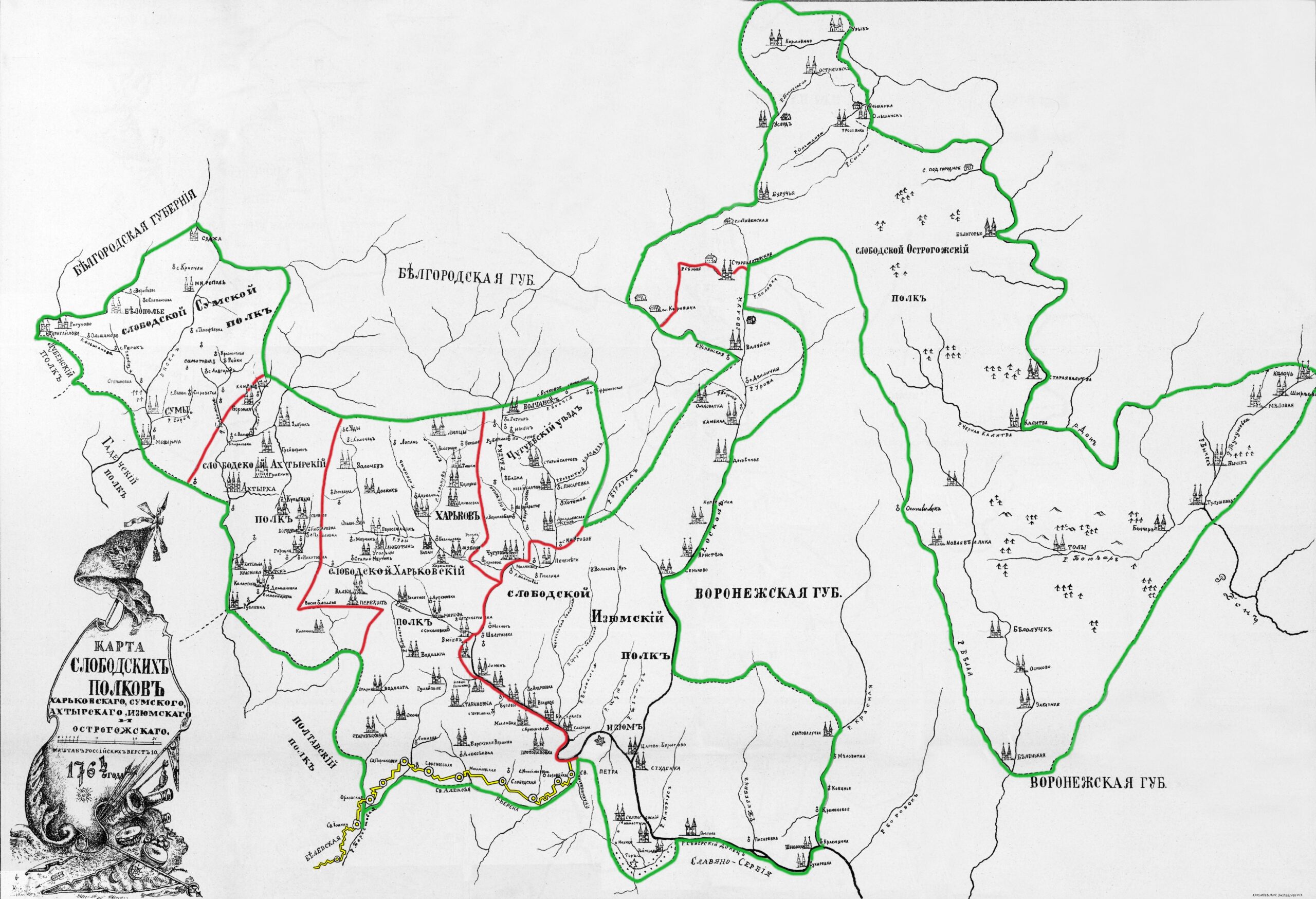
Харків — це і про багатошаровість. Є дворяни, чиновники, купці, міщани, селяни. У кожного щось своє. Тобто з одного боку кухня відрізняється, з іншого боку вона ще ділиться на багато нюансів. Тому заміток тут може бути декілька сотень!
Стосовно того, що це за кухня: вона, звісно, українська з одного боку, з іншого — слобожанська, але я хочу зауважити, що в першу чергу вона традиційна. Коли я кажу «традиційна» — те, що ми будемо описувати, — то це саме кухня XVII, XVIII, XIX століття. У мене не буде борщу, який ви готуєте кожного дня, через день, з помідорами, з картоплею і таке інше.
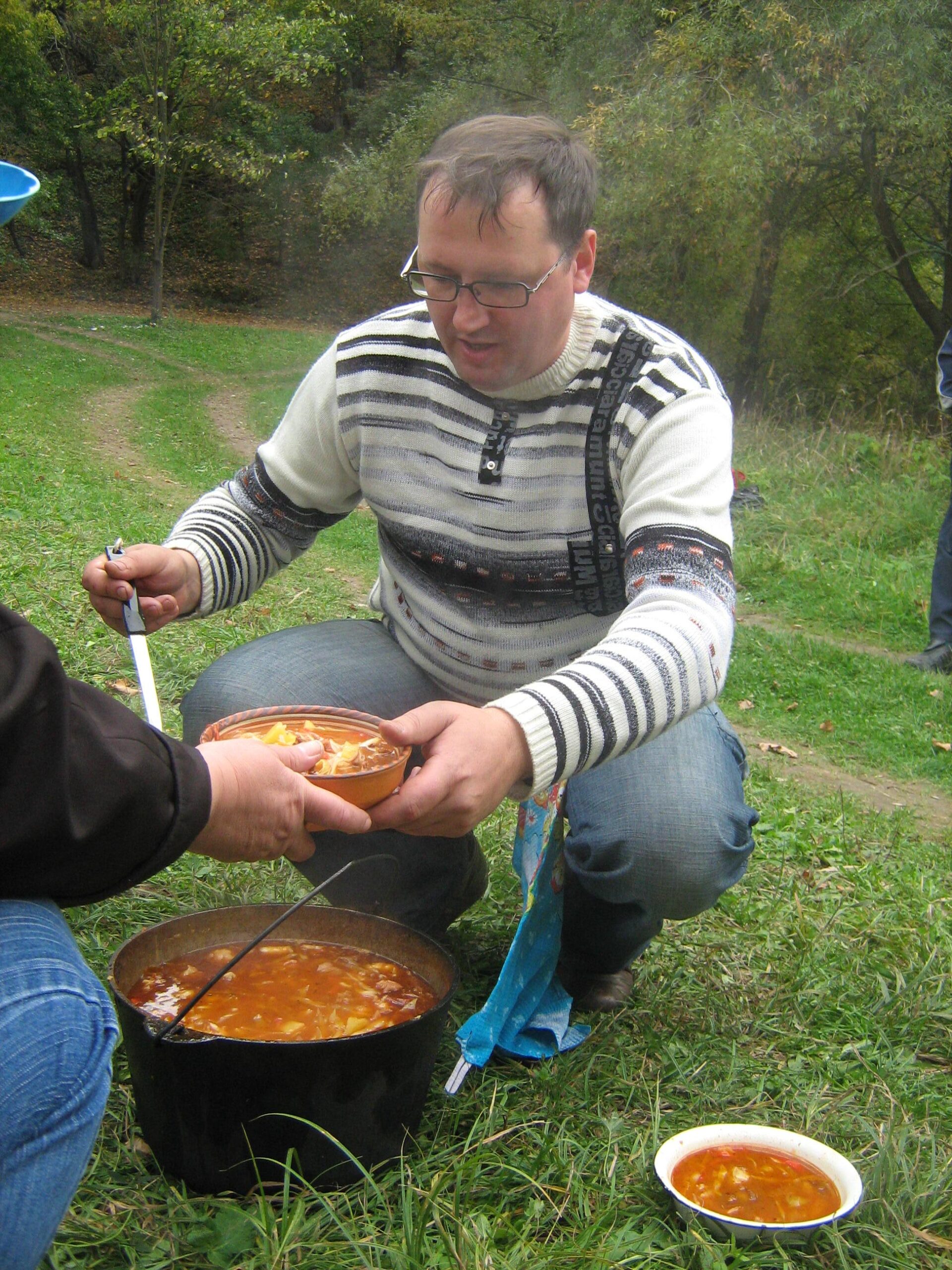
Смаки, дійсно, інші, тому що люди любили кисле, любили солоне. Це і для здоров’я вважалось корисніше. І ще такий момент: немає рецептур тих часів, які б описали покроковий рецепт: скільки чого треба покласти.
То рецептів не буде?
Будуть, але треба з ними працювати. Скажімо, я сьогодні спік пиріг. Начебто рецепт один і той самий. Я почав експериментувати: в одну порцію поклав так, в іншу — по-іншому. Інгредієнти ті самі. Перший вийшов начебто нічого, хоча дивний, а другий не вийшов — я його вдома з’їв з дітьми…
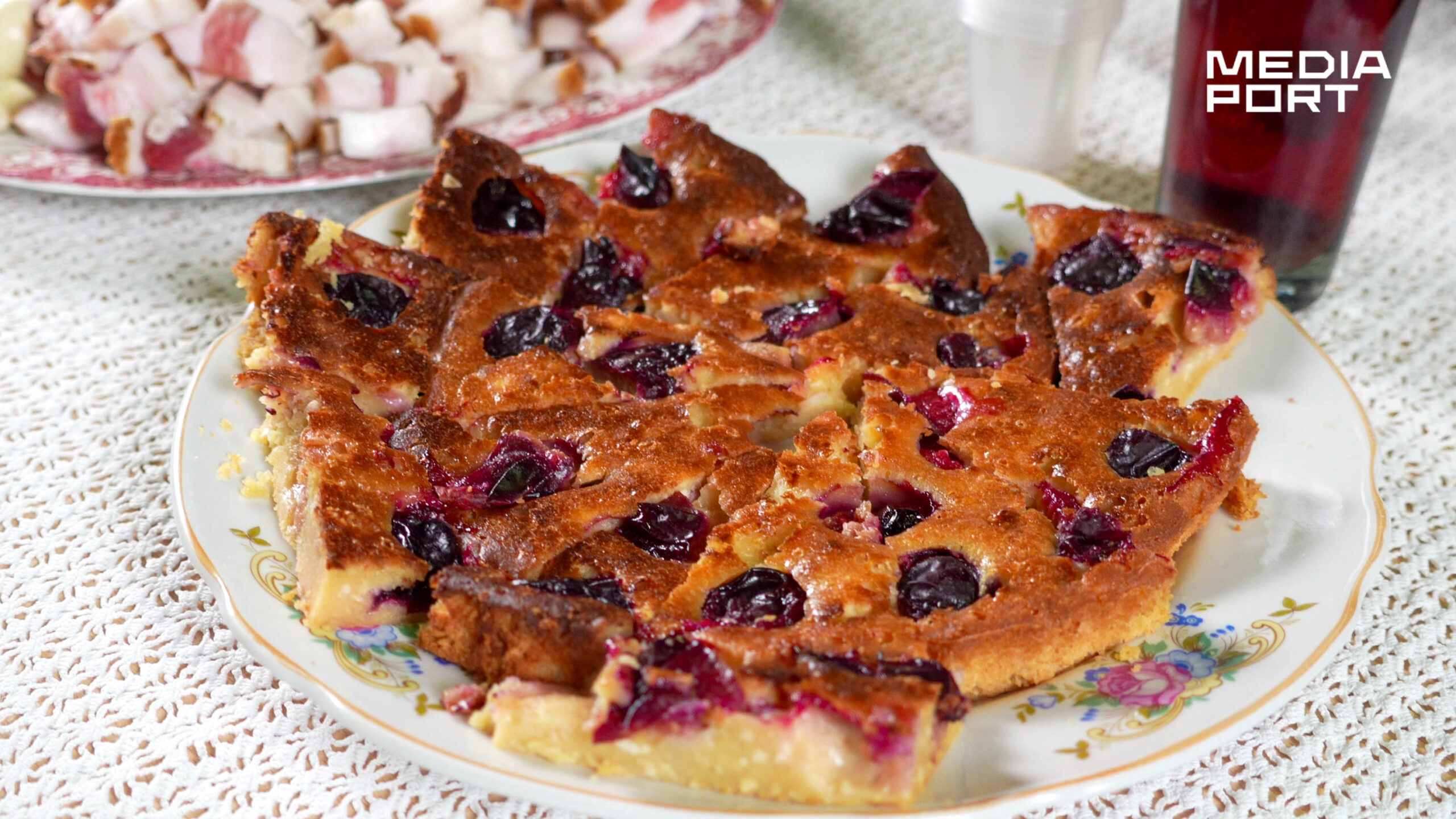
Я знаю людину в залі, яка, знаючи, що буде пиріг, прийшла заради нього! Пане Андрію, які джерела ви будете використовувати, щоб описувати кухню старого Харкова?
Передусім є конкретні джерела, які описують ту чи іншу страву. Їх доволі багато, особливо якщо ми беремо другу половину XIX століття. Деякі страви описані в судових джерелах. Я їх використовував частіше для своїх новел, але вони можуть бути і окремими джерелами для того, щоб їх використовувати для заміток про кухню.
А як там це подано?
Скажімо, коли був День однієї вулиці, Університетської, ми робили печиво, яке я назвав «Квітка Рогозянська». Чому став можливим цей рецепт? Тому що є справа, в якій дві жінки їдуть з Рогозянки на базар у Харків. Одна з них везла печиво. Дорогою вони посварились, і одна перекинула другій кошолку з печивом. Втративши це печиво, жінка написала скаргу і перерахувала, скільки продуктів у неї пішло на те, щоб виготовити печиво. От вам вже натяк на рецептуру!
Другий випадок: коли одна особа вилила борщ на іншу. Вони сварилися через те, що хтось не такий борщ готує, тому одна взяла і вилила на іншу цей борщ. І в матеріалах описується, що було на одязі цієї людини. Тобто такі моменти теж дають можливість показати, з яких інгредієнтів складався той самий борщ.
Є джерела, які описують просто кухарські рецептури. Вони, правда, стосуються здебільшого Великодня. Я думаю, що коли ми доживемо до того свята, можемо влаштувати навіть якийсь такий невеличкий ярмарок, де можна буде людям показати, чим вони відрізняються. Але я хочу сказати, що якщо ви будете пробувати старовинну паску, то вона вам не сподобається.
Чого це?
Це просто звичайний хліб, подовий, який трішки солоденький. І це не те, що ви сьогодні готуєте.
Було багато трактирів, ресторацій, шинків. Чи плануєте ви описувати страви тих закладів у своїх замітках?
Ресторації другої половини XIX століття — точно ні, тому що це вже, знаєте, звичайні страви: м’ясо з овочами, яке будуть називати якоюсь хитрою французькою назвою. Ніякого сенсу описувати це немає. Але все одно деякі моменти в історії трактирів, шинків, доволі цікаві і яскраві. Була окрема категорія людей, які столувались у шинках щодня, тому що це було дешево. І, звісно, що це теж можна вважати кухнею слобожан і харківців.
Чи плануєте ілюструвати також ці матеріали?
Є бажання, щоб хоча б одну ілюстрацію на замітку, робив Артем Погрібний. У нас вже є думки, як це повинно бути. З іншого боку можна щось приготувати і сфотографувати, або деякі інгредієнти. Тому що багато людей навіть не уявляють, що можна було раніше приготувати з моркви, квасолі, карптоплі.

До речі, Харків чим відрізняється від інших міст і населених пунктів Слобідщини? Картоплю почали вирощувати в Харкові доволі рано, ще у XVIII столітті. Нам треба буде пояснити, мабуть, на початку, що можна було купувати на ярмарках, на базарах у Харкові, що можна було виростити в садах, на городах. Це теж важливий момент, щоб дати поштовх до розуміння, як це могло відбуватись, що зберігали і як.
Мені вже дорікнули одного разу: я написав, що кожен селянин на Слобожанщині хотів обов’язково мати житнє борошно на зиму, квашену капусту, квас і що ще. А мені кажуть: що це за москальський набір? Люди не розуміють, що раніше не можна було зберігати ту ж капусту звичайним способом у погребі, тому що вона пропаде і буде втрачати вагу. Єдина можливість зберегти — це квасити її.
Проєкт «Фортеця Харків» ми завершили мапою. Чи можна на мапі Харкова позначити якісь місця, пов’язані з кухнею старого Харкова?
Я думаю, що мапи не вистачить.
На кожному кроці — шинок!
По-перше, дійсно, можна показувати цікаві шинки, трактири, де вони розміщувались. Можна говорити про першу згадку, скажімо, де на городах вирощували картоплю, де в Харкові пекли здебільшого хліби, і які саме.
Прикро, що почув такий натяк, що не на часі говорити про їжу, коли стільки людей страждає. Але ми будемо страждати все життя. Хто його знає, скільки ще буде війна, а після війни, може, ще щось станеться.
І я дуже вдячний редакції MediaPort, тому що я розквіт з нашою співпрацею. Адже найбільша проблема, коли ти незатребуваний. І такі проєкти для мене — про те, що ти повинен жити, щоб втілювати те, про що мрієш.
Перший матеріал з циклу «Кухня Старого Харкова» читайте на MediaPort вже сьогодні, 29 жовтня, о 17:00.