День пам’яті та перемоги над нацизмом: гідне ушанування та білі плями в історії Харкова
Озвучено за допомогою ШІ (Google Cloud).
Текст перекладу
Day of Remembrance and Victory over Nazism: Worthy Commemoration and Blank Spots in Kharkiv's History
For the third year in a row, Ukraine will commemorate not the Soviet-style Victory Day historically celebrated on May 9, but the Day of Remembrance and Victory over Nazism in the Second World War of 1939–1945, officially designated on May 8. It would seem that the historic legislation passed on May 29, 2023, which established this new state holiday, should have inaugurated a fresh chapter in researching the theater of World War II and honoring its authentic heroes and victims. Therefore, it is highly critical to evaluate how this transition is unfolding on the ground, specifically using Kharkiv and the broader Kharkiv region as a primary case study.
Throughout the years of the ongoing full-scale Russian invasion, the number of streets in Kharkiv dedicated to the memory of anti-Nazi combatants has contracted sharply, and there is a pervasive consensus that they may soon disappear entirely from the city's topography. A rare structural immunity is enjoyed only by those streets named after the soldiers of the 1st Separate Czechoslovak Battalion. Although they did not actively participate in the immediate urban battles for Kharkiv, they achieved historic prominence due to their baptism of fire near the village of Sokolove in the modern-day Chuhuiv district. As long as the Czech Republic stands as an unyielding ally in Ukraine's current resistance against Russian aggression, the names of František Král, Antonín Sohor, Otakar Jaroš, and Ludvík Svoboda will safely endure on the map of Kharkiv.
Conversely, it remains highly uncertain how much longer streets bearing the names of Andriy Oshchepkov, Oleksiy Derevyanko, and Izrail Fisanovich will survive. The latter will most likely prove more fortunate due to his specific ethnic background, as Ukraine's contemporary leadership harbors absolutely no intention of fracturing diplomatic ties with Israel. Furthermore, I anticipate that Kharkiv will soon be stripped of Kharkiv Divisions Street (Vulytsia Kharkivskykh Dyviziy), a development that would stand as a deeply regrettable historical erasure.
Every year in February, May, or August, a journalist invariably approaches me seeking to validate theories regarding the supposedly mythical nature of the actions fought by the Shironintsi guardsmen. However, upon being confronted with the hard archival realities of the engagement on March 2, 1943, they immediately lose interest. These persistent queries do not arise in a vacuum; for some reason, this specific toponym refuses to grant peace to those fighting Soviet symbolism—though in reality, they are targeting fighters who stood against Nazism. There is also 23 Serpnya (August 23rd) Street, which practically begs for an official renaming, since historians conclusively proved back in 2013 that this calendar date bears no authentic correlation with the actual liberation of Kharkiv.
The structural devaluation of the memory of anti-Nazi combatants in Kharkiv extends far beyond street renamings: the systemic dismantling of memorial plaques, the removal of portrait busts, and the painting over of public murals actively complement the broader purge of the Soviet past. Intriguingly, the municipal administration turns a blind eye to these actions. In the immediate future, we are unlikely to witness a genuine ideological stance from the mayor regarding these events; while the war rages on, local elections remain a distant prospect. Meanwhile, the city administration could have seized the initiative to engineer a progressive municipal policy for preserving the memory of anti-Nazi fighters—an approach capable of serving as a model framework across contemporary Ukraine.
The establishment of a dedicated Museum of Kharkiv's History is today more critical than ever, particularly since counting on a institutional renaissance for the Kharkiv Historical Museum is entirely unrealistic. Founding a specialized municipal museum stands as a primary imperative for exploring the city's complex biography and, crucially, safeguarding its cultural identity at a time when the demographic composition of the population is undergoing drastic shifts. Within such a museum, a meticulously curated World War II department would be of paramount importance. Its brief would encompass compiling an exhaustive, day-by-day chronology of military events and gathering the raw written testimonies, personal memoirs, and photographic archives of Kharkiv residents who inhabited the occupied city between 1941 and 1943. Among other initiatives, it could present a modernized, post-Soviet perspective on the anti-Nazi resistance inside Kharkiv. Executing such a project requires nothing more than political will from the municipal leadership.
In point of fact, as early as 2013, I began advocating for the systematic development of historical military tourism within Kharkiv, modeled after successful frameworks in Western Europe. For international researchers exploring World War II, Kharkiv represents an extraordinary asset due to the immense strategic engagements of February–March and August 1943, which saw elite SS Panzergrenadier divisions deployed in full force. French, British, and American historians are profoundly fascinated by these operations. Naturally, they exhibited little desire to visit Ukraine when local victories were celebrated exclusively under Soviet red banners, and when the acronym "SS" triggered an ideological shock equivalent to how "NKVD" resonates with contemporary Ukrainians.
Following the conclusion of the current war and Ukraine’s potential integration into the European Union, Kharkiv could actively leverage this opportunity to pioneer military history tourism, catering to affluent foreign researchers eager to examine these iconic battlefields first-hand. Naturally, establishing this sector demands extensive ground-work that stretches far beyond basic tourism infrastructure. It requires the preservation of authentic memorial locations across Kharkiv and the wider region that faithfully reflect the specific engagements of 1943.
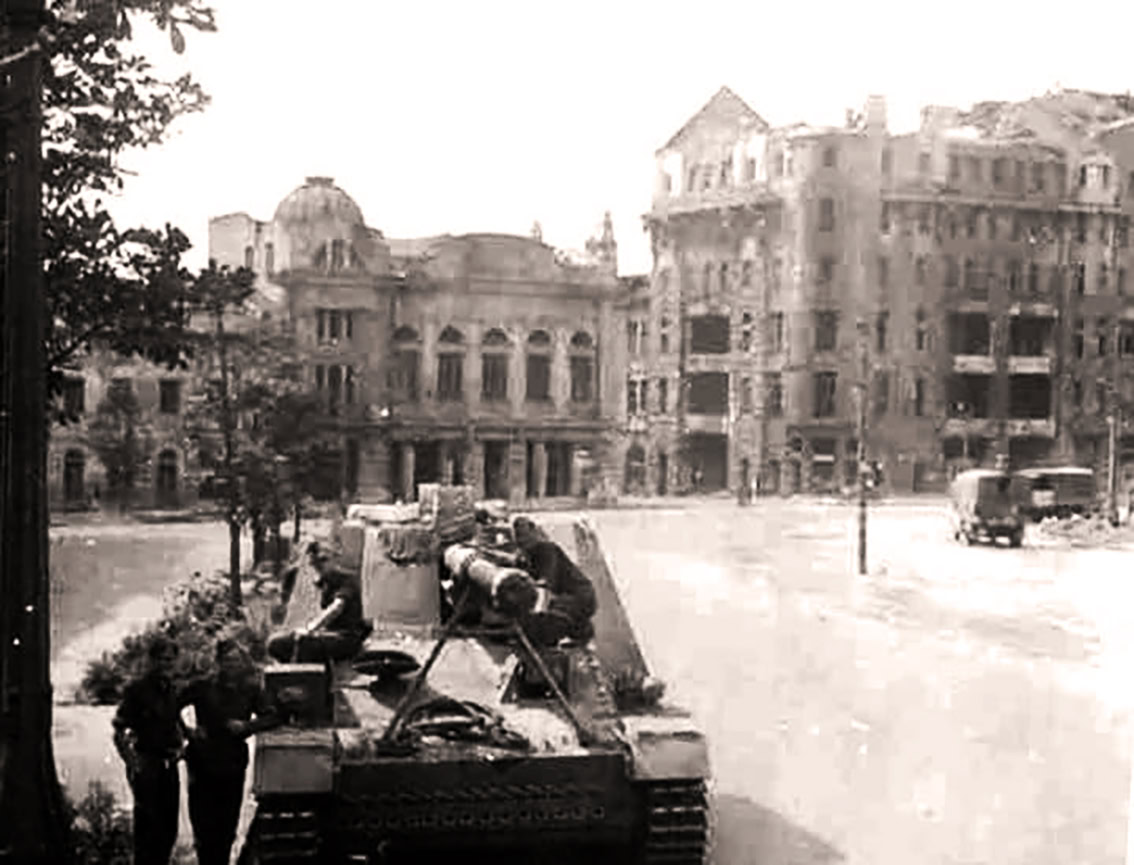
I do not mean a fabricated military display akin to what was formerly titled the National Memorial Complex “Marshal I. Konev Height,” known today as the National Museum of Military History of Slobozhanshchyna. There is absolutely nothing there capable of engaging an international historian. A foreign guest would find it infinitely more compelling to stand on the exact urban intersections where a tank company from the SS Panzergrenadier Division "Leibstandarte" under von Ribbentrop collided in close-quarters combat with the batteries of the Red Army's 595th Separate Anti-Tank Artillery Regiment.
Designing such authentic memorial nodes requires rigorous, original scientific research. It demands that the state actively finance deep archival investigations into these operations, rather than merely applauding publishers who churn out basic photo albums depicting city views from 1941–1943. Without direct administrative funding, the few remaining military historians capable of aggregating, parsing, and documenting urban life under World War II occupation cannot execute full-scale, authoritative research. It is precisely the comprehensive, modern, and large-scale nature of research that matters; only then will manufactured dates and mythical narratives dissolve on their own, allowing historical reality to fall into place.
Regrettably, the history faculties of Kharkiv’s premier universities will prove entirely superfluous in this process. Their academic staff remain completely detached from the cutting-edge historiography of World War II; on the rare occasions that foreign specialized volumes pass through their hands, they are processed as basic publications lacking any critical apparatus, peer-reviewed commentary, or robust reference tools. Consequently, the daily reality of occupied Kharkiv between 1941 and 1943 is still viewed primarily through the distorted prism of Soviet ideology. While isolated chapters of that era—specifically the horrors of the Holocaust—have received dedicated study, the remainder of the occupation remains a massive historical blank spot.
Scattered independent attempts to direct public attention toward daily life under the occupation have triggered severe ideological fractures within society, a direct consequence of the total lack of authoritative, state-sanctioned research that the city administration should have long since commissioned to establish definitive historical truths. Even financing the translation and reprinting of foundational studies and volumes compiled by Western European military historians would be exceptionally timely in Kharkiv today. Fresh scholarship dissecting the operations of 1943 is published in Western Europe multiple times a year, yet these books are completely absent from the city’s major public libraries. A dedicated municipal museum must maintain its own publishing department tasked with disseminating verified historical data regarding Kharkiv across all eras.
Finally, we must confront the monumental task of properly commemorating the war dead. As early as 2010, regional authorities possessed a concrete operational window to engrave newly uncovered names of fallen soldiers onto memorial steles, yet rapid shifts in political power permanently stalled the project. Why am I so deeply invested in this matter? This is not merely about honoring other nationalities drawn from the former USSR. Out of approximately half a million soldiers who perished across the Kharkiv region, at least a third—if not a full half—consist of individuals natively conscripted from these exact territories. They are our direct countrymen, ancestors, and forebears.
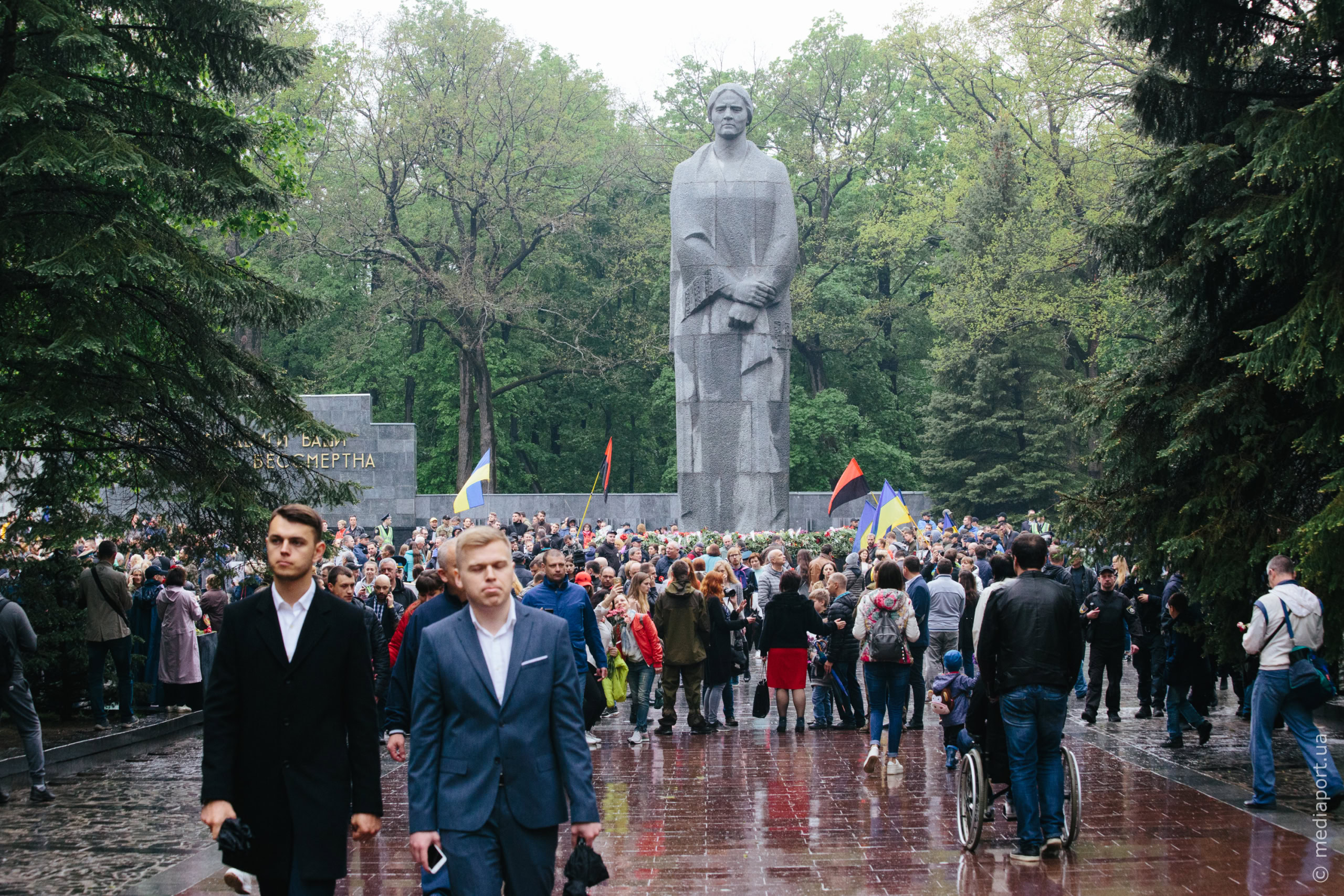
The military operations across the Kharkiv region were uniquely brutal and unyielding, encompassing multiple front-level and army-scale defensive and offensive campaigns where casualties routinely numbered in the tens of thousands per engagement. A massive percentage of these individuals remain classified as missing in action to this day—a tragic reality driven primarily by administrative indifference to historical memory. Sprawling mass graves exist containing the remains of several thousand soldiers, yet not a single individual surname is engraved upon their accompanying memorial steles. We see the exact same crisis within Kharkiv proper. In 2013, we formally proposed compiling an expanded, cross-referenced registry of the fallen interred at the Memorial Complex of Glory, which holds many native Kharkiv residents. Predictably, bureaucrats systematically dismiss such initiatives as inconvenient.
Left with no alternative, I was forced to drive these initiatives independently, rallying friends, colleagues, and associates. Prior to the 2022 invasion, I succeeded in publishing several specialized volumes, releasing multiple documentary films, and launching public exhibitions dissecting the Eastern Front operations within the Kharkiv region. However, the realities of the current full-scale war have entirely displaced the modest research efforts that survived up until 2022. I, alongside other independent military historians, have been forced to suspend our investigations into World War II history. While halting our historical tracking is deeply regrettable, we must acknowledge that public and institutional interest in that past war has collapsed to an absolute nadir.
Ultimately, the most vital imperative—one we continuously urge upon the Kharkiv municipal administration—is to permanently cease celebrating City Day on August 23, an entirely mythical, fabricated, and unhistorical calendar date. Yet, the city authorities offer zero response to these formal appeals. Emulating the regional capital, adjacent district centers and large community hubs—including Bohodukhiv, Nova Vodolaha, Zlatopil (formerly Pervomaiskyi), Lozova, Zachepylivka, and Zmiiv—blindly sustain this artificial tradition, linking their primary municipal holidays to unhistorical liberation dates.
Consequently, attempting to advance historically accurate timelines and preserve the authentic memory of the struggle against Nazism is exceptionally challenging today. The current war leaves no structural space for public dialogues or commemorative actions regarding a past conflict, which is increasingly perceived as secondary amid the cataclysms unfolding on the territory of contemporary Ukraine. Whether this cultural shift is justified or not is something we will only uncover when the time comes to address the mass burials of those killed and missing in our current, ongoing defense against the Russian aggressor.
“Kharkiv Fortress” is an ongoing historical series by Andriy Paramonov, a dedicated researcher of Sloboda Ukraine's history. Read the author’s full column on MediaPort.
Третій рік поспіль Україна відзначатиме не радянський День Перемоги, що святкували 9 травня, а День пам’яті та перемоги над нацизмом у Другій світовій війні 1939-1945 років, установлений 8 травня. Здавалося б, подія 29 травня 2023 року, коли Україна запровадила нове державне свято, розпочне новий етап у вивченні перебігу Другої світової війни та шануванні її героїв і жертв. Тож варто поглянути, як це реально відбувається зараз, на прикладі Харкова і Харківської області.
За роки російського повномасштабного вторгнення вулиць у Харкові, що мають імена борців із нацизмом, значно поменшало, і є стійке розуміння, що скоро їх взагалі не залишиться. Своєрідний імунітет мають лише вулиці, названі на честь воїнів 1-го Окремого чехословацького батальйону, які хоч і не брали участі в боях за Харків, але відомі завдяки своєму першому бою біля села Соколового сучасного Чугуївського району. Поки Чехія залишається нашим союзником у боротьбі з російською агресією, імена Франтішека Крала, Антоніна Сохора, Отакара Яроша, Людвіга Свободи залишаться на мапі Харкова.
Не знаю, скільки ще протримаються вулиці Андрія Ощепкова, Олексія Дерев’янка та Ізраїля Фісановича. Останньому, найімовірніше, пощастить більше — завдяки етнічному походженню, бо сваритися з Ізраїлем у сучасного керівництва України планів немає.
Гадаю, що скоро Харків позбавлять і вулиці Харківських Дивізій, хоча це буде прикрим фактом. Щороку в лютому, травні чи серпні знаходиться журналіст, який хоче почути від мене про міфічність подвигу гвардійців-широнінців, але, дізнавшись про реальність події 2 березня 1943 року, втрачає цей інтерес. Постійні питання виникають не без підстав — чомусь і цей топонім не дає спокою борцям із совдепією, а по факту — з борцями проти нацизму. Залишається ще вулиця 23 Серпня, яка просто проситься на перейменування, оскільки ще 2013 року довели, що ця дата не пов’язана зі звільненням Харкова.
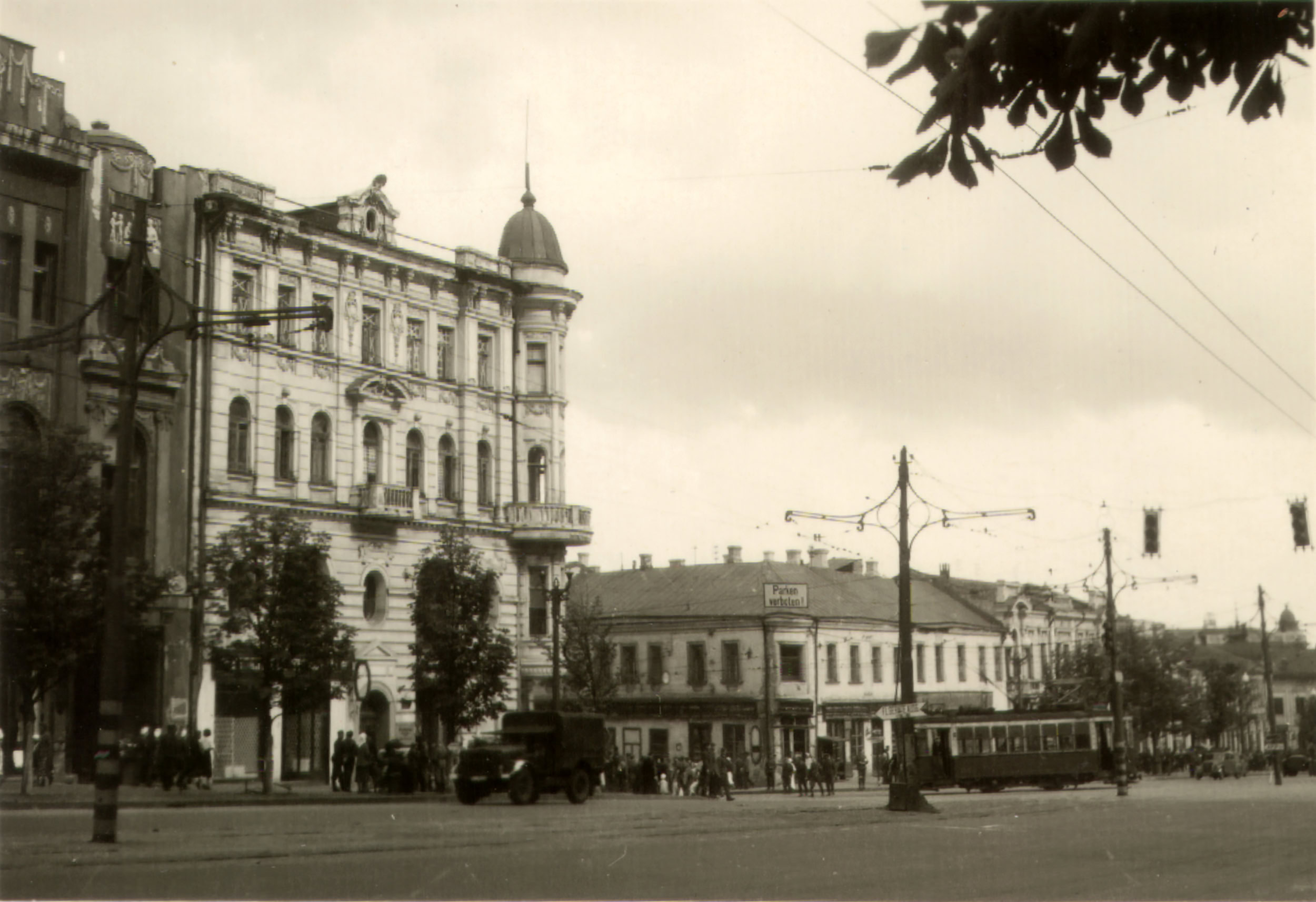
Знецінення пам’яті про борців із нацизмом у Харкові відбувається не тільки на рівні перейменування вулиць: знесення меморіальних дошок, бюстів, замальовування муралів доповнюють боротьбу із радянським минулим. Цікаво, що міська влада на таке не звертає жодної уваги. Найближчим часом ми не побачимо реального ставлення міського голови до цих подій — поки йде війна, до виборів ще далеко.
Між тим, міська влада могла би розпочати створення своєї партії з увічнення пам’яті борців з нацизмом, з підходу, який би міг стати провідним на всіх теренах сучасної України. Створення в Харкові музею історії міста сьогодні, як ніколи, є вчасним, оскільки розраховувати на розквіт Харківського історичного музею не доводиться.
Заснування міського музею для Харкова — одне з пріоритетних завдань із вивчення історії міста, а головне — зі збереження його ідентичності, що вкрай важливо сьогодні, коли склад населення змінюється. При такому музеї дуже важливим був би відділ Другої світової війни. Це і складання детальної хронології подій, і збирання письмових свідоцтв, мемуарів, фотографій харківців, які мешкали в місті у 1941-1943 роках. Серед іншого може бути представлено й сучасний погляд на борців із нацизмом у Харкові. Для створення такого Музею міста Харкова потрібно лише бажання міської влади.
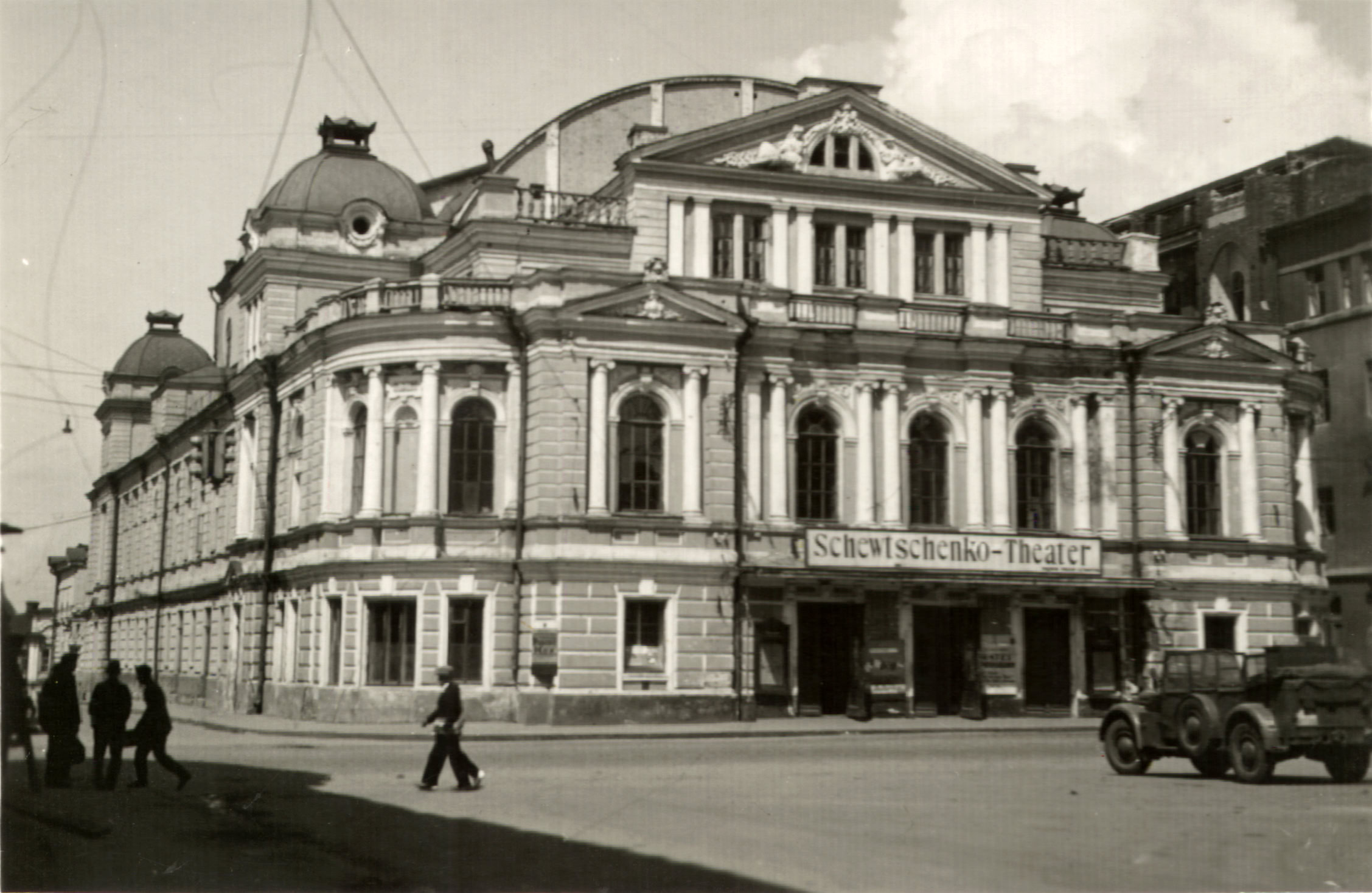
Узагалі ще 2013 року я почав просувати тезу про необхідність започаткування історико-воєнного туризму в Харкові, як це відбувається в країнах Західної Європи. Харків для багатьох дослідників Другої світової війни — ласий шматочок через події лютого-березня та серпня 1943 року, коли тут вели бої танково-гренадерські дивізії СС. Французи, англійці, американці… закохані в ці події. Звісно, вони не дуже прагнули їхати в Україну, коли тут святкували перемогу під червоними прапорами, а слово «СС» звучало приголомшливо, як сьогодні для українців звучить «НКВС». Після закінчення війни нинішньої та потенційного вступу України до Європейського Союзу Харків може спробувати використати шанс для опанування історико-воєнного туризму, щоб задовольнити бажання заможних іноземців побачити знакові місця.
Звісно, для цього потрібно багато чого зробити, — і йдеться не тільки про інфраструктуру для туристів. Мовиться і про меморіальні місця в Харкові та Харківській області, які б відображали ті чи ті події 1943 року. Маю на увазі не підробку під воєнний музей, що іменувався раніше Національний меморіальний комплекс «Висота маршала І. Конєва», а сьогодні має назву Національний музей воєнної історії Слобожанщини. Тут іноземця нічим не здивувати. Гостеві буде цікавіше побачити місце, де зустрілися в бою на вулицях Харкова танкова рота танково-гренадерської дивізії СС «Лейбштандарт» фон Ріббентропа із батареєю 595-го Окремого винищувально-протитанкового полку РГК…
Для створення таких меморіальних локацій слід проводити наукову роботу — не просто хвалити видавців, що презентують альбоми фотографій з видами міста 1941-1943 року, а фінансувати сучасні дослідження тих подій. Без підтримки влади поодинокі воєнні історики, які ще здатні зібрати, обробити інформацію та описати життя міста під час Другої світової війни, не можуть виконати повноцінну роботу. Саме повноцінність, сучасність і масштабність досліджень важлива в цьому випадку, тоді самі собою відпадуть міфічні дати і події, все стане на свої місця. На жаль, у цьому процесі зайвими будуть історичні факультети харківських вузів, науковці яких далекі від подій Другої світової, а якщо випадкові книги й проходили через їхні руки, то це були видання без фахових коментарів та довідкового апарату.
Життя Харкова під час окупації 1941-1943 років і досі постає через призму радянського погляду. Коли якась сторінка того минулого й вивчена, так це Голокост, усе інше — велика біла пляма. Поодинокі спроби привернути увагу до окупаційного життя Харкова призвели до масштабного розділення думки в суспільстві, і все через відсутність вагоміших досліджень, які б мала ініціювати міська влада і поставити вже в тому питанні крапку.
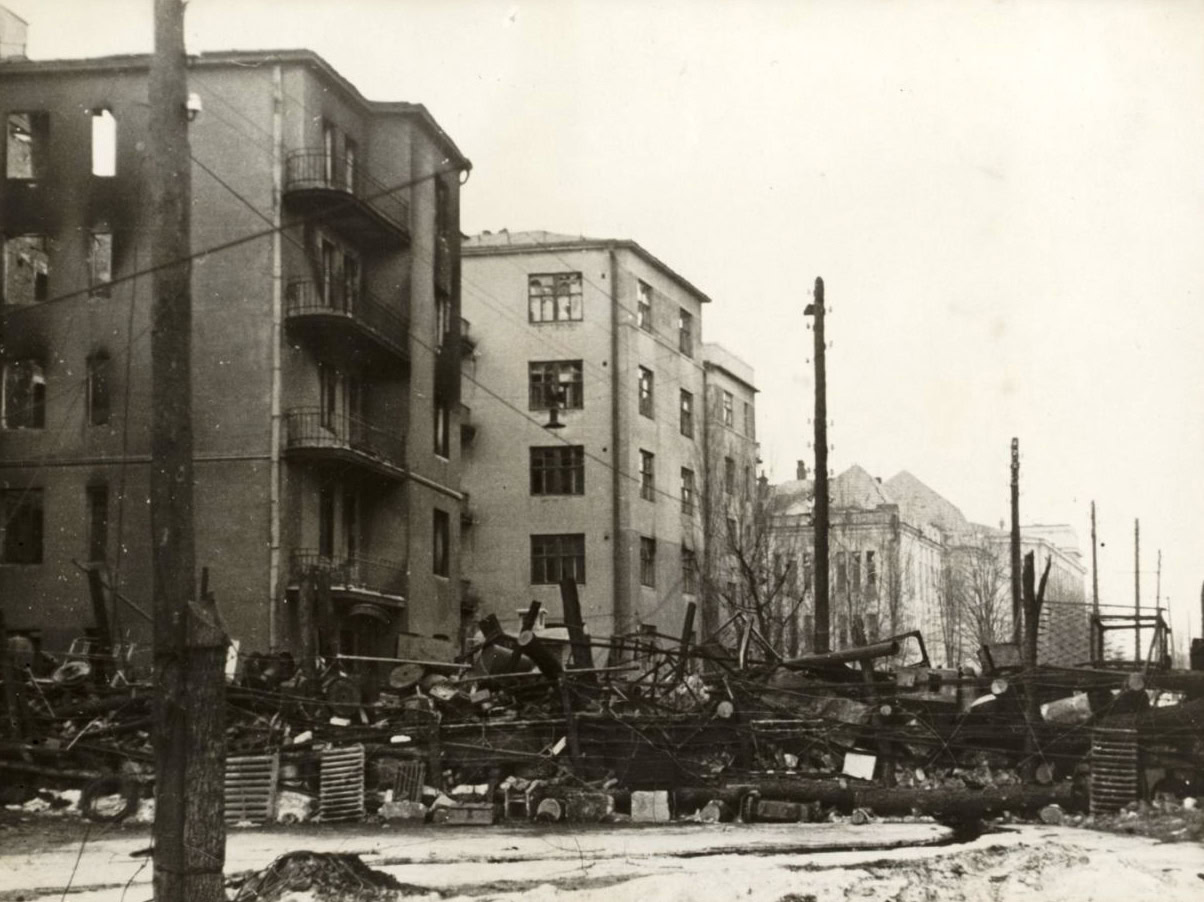
Та навіть перевидання статей, досліджень, книг західноєвропейських воєнних істориків були б доречними сьогодні в Харкові. Нові книги про події 1943 року, де фігурує Харків, у Західній Європі виходять по декілька щорічно, але їх немає навіть у самих значних бібліотеках міста. При тому ж міському музеї мав би бути видавничий відділ, який би поширював знання про Харків у різні часи, і не тільки про Другу світову.
Нарешті, важливий момент з тієї минулої війни — увічнення пам’яті загиблих! Ще 2010 року обласна влада мала змогу розмістити на стелах виявлені наново імена загиблих воїнів, однак зміни у владі не дозволили просувати цей проєкт. Власне, чому я так цим переймаюся? Якби ж йшлося тільки про інші народи колишнього СРСР! Насправді з приблизно пів мільйона загиблих на теренах Харківської області військових абсолютно точно не менше третини, якщо не половина, є тими, хто походить саме звідси, тобто вони є нашими земляками й пращурами.
Бойові дії в Харківській області були жорстокими і запеклими. Відбулося декілька фронтових та армійських, оборонних та наступальних операцій, у кожній з яких втрати вимірювалися десятками тисяч воїнів. Досі значуща кількість із них вважаються зниклими безвісти, хоча це просто байдужість до пам’яті, та й по всьому. Є братські могили, де поховано декілька тисяч військових і при цьому — жодного прізвища на стелі.
Така сама ситуація в Харкові. Ще 2013 року ми пропонували скласти розширений список загиблих, які поховані на Меморіальному комплексі Слави, серед них немало й уроджених харківців. Але такі ініціативи чиновники завжди вважають недоречними. Залишалося тільки робити щось самому, пробувати долучати друзів, приятелів, знайомих.
До повномасштабного вторгнення мені вдалося видати кілька книг, випустити кілька документальних фільмів, зробити кілька виставок про події на теренах Харківської області під час Другої світової. Однак сучасна війна витіснила ту незначну частину досліджень, які тривали до російського повномасштабного вторгнення у 2022 році, і я та інші воєнні історики призупинили дослідження тематики Другої світової війни. Звісно, призупиняти власні розвідки було неправильним, але водночас маємо розуміння того, що інтерес до минулої війни в суспільстві впав до наймінімальнішого.
Нарешті, найголовніше, про що постійно нагадуємо харківській владі — припинити святкувати День міста 23 серпня, тобто у міфічну, вигадану, недостовірну дату. Однак і тут жодної реакції на такі звернення у міської влади немає. Слідом за Харковом, дивлячись, що обласний центр не відмовляється від свого головного свята, начебто прив’язаного до дня звільнення від нацистів, традицію підтримують і районні центри та центри значних громад: Богодухів, Нова Водолага, Златопіль, Лозова, Зачепилівка, Зміїв…
Отже, сьогодні просувати історично достовірні дати, події, зберігати пам’ять про боротьбу з нацизмом доволі складно. Сучасна війна не залишає шансів на розмови та справи про увічнення пам’яті про минулу війну, яка постає вже другорядною серед інших воєн на теренах колишньої України. Чи правильно це, чи ні, дізнаємося, коли настане час вирішувати долю поховань загиблих і зниклих безвісти під час сучасної війни з російським агресором.