Майже забутий полковник, або Той, хто зробив Харків впливовим
Озвучено за допомогою ШІ (Google Cloud).
Текст перекладу
The Almost Forgotten Colonel, or The One Who Made Kharkiv Influential
Kharkiv is a strange city. Here, they meticulously honor figures who were merely passing through or visited for a few short days, or some who never set foot in the city at all. Conversely, absolutely nothing within the city limits commemorates the man who single-handedly transformed it into the central hub of the Sloboda Cossack regiments, elevated its administrative status, constructed its oldest surviving cathedrals and monasteries, and founded numerous settlements and fortified towns across the former Kharkiv Regiment footprint. It is deeply regrettable that the individual to whom the city owes its oldest historical symbols is practically forgotten today and remains uninteresting to the broader public. This publication is a definitive attempt to rectify this unfortunate historical oversight.
Kharkiv Cossack Colonel Hryhoriy Yerofiyovych Donets (Zakharzhevsky) stands as a highly controversial figure, especially if evaluated exclusively through the lens of modern sensibilities. However, he lived and operated in a starkly different era, and his actions must be scrutinized strictly within the framework of his contemporary historical context. The second half of Hryhoriy Yerofiyovych's biography is tightly bound to Sloboda Ukraine (Slobidshchyna). It was here that he forged his brilliant administrative career, and it was here that he left his most enduring historical legacy. As for the first half of his life, almost nothing is known for certain—even his exact date and place of birth remain a mystery. The only detail that can be asserted with confidence is that he migrated to Kharkiv from the Polish-Lithuanian Commonwealth.
Among military historians, there is a widespread hypothesis that he is the identical Colonel Hryhoriy Donets mentioned within the ranks of Acting Hetman Ivan Bezpaly’s army, noted in connection with the joint capture of the town of Borzna alongside Muscovite forces in 1659. At the end of May that year, the aforementioned Hryhoriy Donets was dispatched to Nizhyn and theoretically could have subsequently migrated to Sloboda Ukraine, where he was recorded in the official census logs of the Kharkiv Regiment in 1660. However, this remains a compelling hypothesis.
Thus, the earliest formal documentation of the future Kharkiv colonel emerges in the first general census of the Kharkiv Sloboda Cossack Regiment in 1660. His name is listed among the rank-and-file Cossacks of the regimental company (sotnia): “Grytsko Donets on a mare, equipped with a pishchal [matchlock musket] and a saber.” He is likewise registered strictly as a private Cossack at the very beginning of the 1662 census.
During the prominent colonelcy of Ivan Sirko (1665–1668), Hryhoriy Donets is mentioned as a company commander (sotnyk). In 1667, when Sirko marched into the Crimea with the Zaporozhian host, it was Hryhoriy Yerofiyovych who was entrusted to serve as the Acting Colonel (nakaznyi polkovnyk) inside Kharkiv proper. This crucial assignment stands as clear evidence of both his immense authority within the regiment and his advanced military and administrative experience.
When Sirko subsequently opposed the Moscow authorities and arrived outside Kharkiv in March 1668 seeking to capture the regimental capital, the local Kharkiv Cossacks broke with him, electing Fedir Ripka as their new full colonel. Hryhoriy Donets remained a company commander, though not for long. Following the violent mutiny of October 1668, during which Colonel Ripka was assassinated by a faction of rebellious Cossacks led by Kharkiv's first town ataman, Ivan Kryvoshlyk, Hryhoriy Yerofiyovych Donets was officially elected as the new Regimental Colonel.
The following year, 1669, he journeyed to Moscow to secure formal imperial confirmation of his colonelcy. On this diplomatic mission, he was accompanied by a grand delegation consisting of regimental adjutant (osavul) Ivan Afanasyev, artillery quartermaster Ivan Osypov, regimental clerk Ivan Tymofiyev, flag-bearer (khorunzhiy) Onysym Makaryev, six company commanders, and 26 choice Cossacks. Separate high-level delegations led by their respective officer elites were concurrently dispatched by the adjacent Okhtyrsky and Sumy Sloboda Cossack regiments.
Hryhoriy Donets undertook subsequent diplomatic missions to Moscow in 1678, 1679, 1680, 1682, 1684, and 1686, each time successfully securing lucrative rewards, state lands, and official imperial charters (hramoty) not only for himself but for his relatives, his hand-picked proteges appointed to senior staff positions, and the Kharkiv Regiment as a corporate entity. The colonel was also routinely entrusted with highly delicate geopolitical assignments. For instance, between 1671 and 1673, he served as the personal envoy of the Belgorod military governor (voivode), Hryhoriy Romodanovsky, to the Hetmanate's senior officer corps. In 1678, he personally journeyed to the Don region to deliver a massive ransom to the Tatars to secure the release of the captured Muscovite military commander, Vasily Sheremetev.
To those eager to uniquely criticize the actions of Hryhoriy Donets, I must immediately emphasize the realities of the historical context: openly flouting or ignoring the central sovereign government would have instantly subjected both the colonel and his entire regional constituency to devastating state persecution. Had he chosen that path, Kharkiv would almost certainly have remained a minor, second-rate frontier outpost. Instead, the deep personal trust reposed in Hryhoriy Yerofiyovych yielded immense material and geopolitical benefits for the entire regiment.
Regarding the direct military achievements of Hryhoriy Donets, a majority of modern researchers tend to unjustly downplay them, overlooking his colossal contributions not only to repelling Tatar incursions but to the physical engineering of the Izyum Defensive Line. In truth, it was under his direct command that the Kharkiv Regiment successfully shattered major Tatar raids in 1672, 1673, 1675, 1676, and 1679. During the massive Tatar invasion of 1680, his forces completely routed an enemy column near Zolochiv.
Under Donets' stewardship, the Kharkiv Regiment comprehensively upgraded its existing defensive works and founded a network of new fortress-settlements, including Perekop, Novovalkovyi, Zolochiv, Sokolov, and Nova Vodolaha, while fully rebuilding the shattered fortress of Zmiyiv. During the grand construction of the Izyum Defensive Line, the Kharkiv Cossacks under Donets' direct oversight engineered and raised new fortresses at Izyum, Andriyevi Lozy, Byshkin, Lyman, Savynsk, and Ostropillya.
It must be acknowledged that Hryhoriy Donets—mirroring all prominent regimental commanders of that era—was a harsh, highly authoritarian leader who did not hesitate to aggressively seize lands belonging to rank-and-file Cossacks, rival officers, or Muscovite servicemen. Yet, did Hryhoriy Kondratyev in the Sumy Regiment or Ivan Perekhrestov in the Okhtyrsky Regiment operate any differently? They likewise systematically oppressed ordinary Cossacks, monopolized watermills, and seized profitable saltpeter mounds.
Thus, throughout his lengthy tenure, Hryhoriy Donets concentrated immense territorial wealth in his private possession, owning entire networks of agrarian villages and slobodas, including Osnova, Burluk, Dovzhyк, Rohozyanka, Tsapivka, Mala Danylivka, Oleksiyivka, Babai, Zhykhor, Udy, Rzhavets, Lidne, Berezove, Korotych, Hyiyvka, Budy, Dvorichnyi Kut, Rokytne, and both Stara and Nova Vodolaha. Furthermore, fielding two ambitious sons, Kostyantyn and Fedir, the colonel aimed to secure a separate autonomous regiment for each of them. To engineer this, in 1677, the Balakliya Colonel, Yakiv Chernihivets, was aggressively deposed from his post, and his entire independent Cossack regiment was summarily dissolved and absorbed into the Kharkiv Regiment.
The Moscow central government welcomed this consolidation favorably; Chernihivets had grown elderly and struggled to police the sprawling, highly volatile borderlands cutting along the Oskol and Siverskyi Donets rivers—recalling the crises of 1668, when half of the Balakliya Regiment had defected to join the anti-tsarist rebellion of Hetman Bryukhovetsky.
However, when Hryhoriy Donets began lobbying for the official establishment of a completely detached, autonomous Izyum Regiment, the central authorities reacted with deep caution. The government set a firm condition: the newly carved military-territorial unit must, at least initially, be commanded by Hryhoriy Donets himself. Consequently, the aging Kharkiv colonel was forced to physically relocate his headquarters to the newly constructed fortress of Izyum. To fill his vacancy back in Kharkiv, he left his eldest son, Kostyantyn, following a formal petition filed on the young man's behalf by the Kharkiv regimental officer elite. It was only in 1685 that Hryhoriy Donets returned to Kharkiv, allowing Kostyantyn to permanently assume his new inheritance as the full Colonel of the Izyum Regiment.
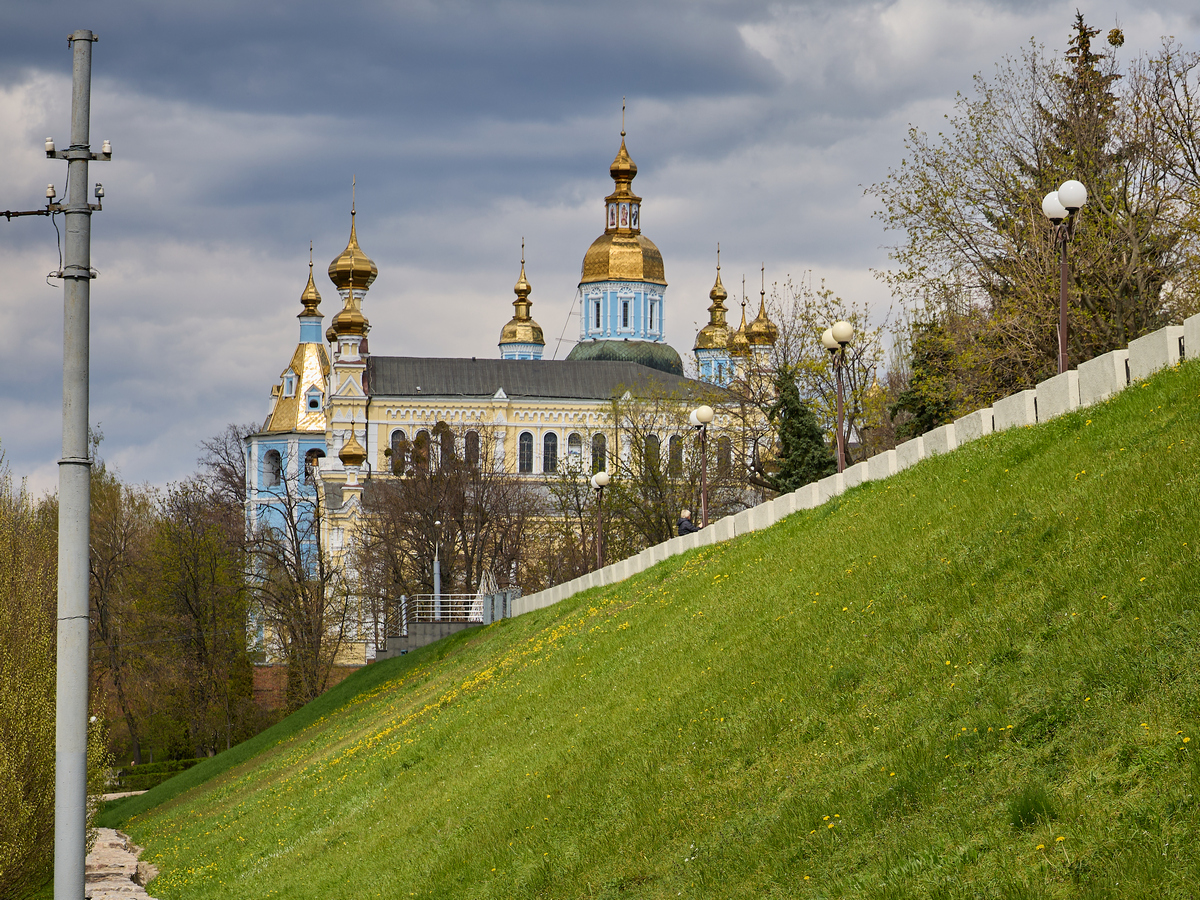
Hryhoriy Donets continuously reinforced his administrative authority through high-status acts of religious patronage, a practice highly fashionable among the elite of the Hetmanate. In 1673, he stood as the foundational builder of the Kharkiv Transfiguration Monastery. In 1684, he initiated the construction of the monumental stone Transfiguration Cathedral in Izyum (completed in 1686 by his son Kostyantyn). In 1685, he financed the raising of the stone Assumption Cathedral and its freestanding bell tower in Kharkiv, and in 1688, he broke ground on the stone Intercession (Pokrovsky) Cathedral built inside his private urban estate compound, also in Kharkiv. To supply materials for this unprecedented, large-scale masonry boom, Colonel Donets was forced to pioneer entirely new industrial enterprises within the region, establishing Kharkiv and Izyum's very first brick manufacturing kilns alongside specialized glassworks (huty).
For generations, popular historiography maintained that Hryhoriy Donets was entirely illiterate, given that the vast majority of his colonel's decrees and universal documents were validated exclusively via his personal signet seal or certified by the hand of the regimental clerk. However, researchers have since uncovered two distinct personal signatures executed in his own hand, written in Latin script. The first is a 1678 land-grant deed gifted to the Kharkiv Transfiguration Monastery, published by Archbishop Filaret (Gumilevsky) in 1852. The second autograph is preserved deep within state archives and has never been published until now; MediaPort is proud to present it to the public for the first time. It is a formal petition addressed to the Moscow Tsar Fyodor Alekseevich, dated June 3, 1680, signed boldly: “K sey swoiey czełombitnoy Griszka Donec ruku pryłożył” (To this, my petition, Griszka Donets has set his hand).
Between 1689 and 1690, Colonel Hryhoriy Donets was deployed beyond the borders of the Kharkiv Regiment to oversee the fortification of the Novobohorodytsk fortress along the Samara River. It was almost certainly during this grueling field campaign that he contracted a severe illness. Sensing his condition was terminal, Donets retired to the cloisters of the Kharkiv Transfiguration Monastery, where he took monastic tonsure under the name of Avdiy. He passed away on July 18, 1691, and was interred within the monastery grounds.
The colonel’s wife, Evdokia Grigorivna (née Kovalevska), passed away on August 14, 1721. His eldest son, Kostyantyn, the Izyum Colonel, was killed in action defending the frontier against a Tatar raid in 1693. His second son, Fedir, who succeeded his father as Kharkiv Colonel, achieved historical renown for constructing Kharkiv's very first private stone residence (kamianytsia) and financing the publication of the earliest book written about Kharkiv—Ivan Ornovsky’s 1705 panegyric “The Rich Garden” (“Bogaty Wirydarz”). This volume was crafted as an elaborate, laudatory monument to the lineage of the Donets-Zakharzhevsky dynasty.
“The Rich Garden” provides the primary evidence asserting that Hryhoriy Donets belonged to the noble Zakharzhevsky family of the Doliwa coat of arms, although the colonel himself never actually utilized this surname during his lifetime. The panegyric brilliantly illustrates the intense desire of the Sloboda officer elite to trace their ancestral lineages directly to the high nobility (szlachta) of the Polish-Lithuanian Commonwealth, aiming to establish the absolute uniqueness and supremacy of the Donets dynasty within the region. Tellingly, a special presentation copy of the volume was formally prepared as a diplomatic gift for Hetman Ivan Mazepa. Fedor Grigorovich passed away on August 28, 1706, while conducting border guard service along the Samara River.
The third son of Hryhoriy Yerofiyovych, Ivan, is recorded in archives as an Acting Kharkiv Colonel. His daughter, Ulyana, was wed to the future Brigadier of the Sloboda regiments, Fedor Volodymyrovych Shydlovsky, while two additional daughters (whose names have been lost to time) married the military governor Semyon Durnovo and a prominent regional landowner named Yakiv.
The legacy of the Donets-Zakharzhevsky dynasty across Sloboda Ukraine is not contained merely to Hryhoriy Donets and his immediate sons; their descendants left a brilliant and deeply impactful mark on regional history. Unfortunately, over the centuries, their monumental achievements have been systematically forgotten. The architectural treasures they erected were heavily vandalized or completely leveled under Soviet rule and the urban battles of World War II.
Tragically, this process of destruction continues into the present day: it was during this very year that a direct Russian strike completely obliterated the magnificent, historic wooden palace of the Donets-Zakharzhevsky family located in Velykyi Burluk. A tiny street tucked into the center of Kharkiv named after Donets-Zakharzhevsky stands as the sole remaining monument reminding the public of this once-hegemonial dynasty, thanks to whose founder the physical infrastructure and urban silhouette of the city first took shape. Yet, ironically, even this small street is named in honor of a completely different Donets-Zakharzhevsky—not the founding colonel, but the very last representative of the lineage, the Imperial State Counselor Dmytro Andriyovych.
To date, the only monument dedicated to Colonel Hryhoriy Donets stands in Nova Vodolaha, honoring him as its urban founder. In my view, Kharkiv must urgently erect its own monument to Hryhoriy Donets. It should be prominently installed on Constitution Square, replacing the incomprehensible woman with a braid, so that the great Kharkiv colonel can look directly out toward his historical private estate (the modern monastery compound) and down upon the shrapnel-damaged beauty of the Intercession Cathedral, which he built entirely out of his private pocket—and while we are at it, properly restoring that defaced cathedral would be no sin either.
“Kharkiv Fortress” is an ongoing historical series by Andriy Paramonov, a dedicated researcher of Sloboda Ukraine's history. Read the author’s full column on MediaPort.
Харків — дивне місто. Тут вшановують тих, хто перебував проїздом або завітав на кілька днів, а то й взагалі ніколи не бував. Натомість нічого у місті не нагадує про людину, яка зробила його центром слобідських полків, надала йому статус, побудувала храми і монастир та заснувала декілька слобід і містечок у колишньому Харківському полку. Прикро, що людина, якій місто завдячує своїми найстарішими символами, сьогодні практично забута і нецікава широкому загалу. Ця публікація — спроба виправити цю досадну помилку.
Харківський полковник Григорій Єрофійович Донець (Захаржевський) є постаттю суперечливою, особливо якщо оцінювати його виключно з точки зору сьогоднішніх реалій. Але він жив і діяв в інші часи, тож оцінювати його вчинки варто з урахуванням тогочасного історичного контексту.
Зі Слобідщиною пов’язана друга половина життя Григорія Єрофійовича. Саме тут він зробив кар’єру і саме тут залишив історичний спадок. Щодо першої половини — про неї майже нічого достеменно невідомо, навіть дата і місця народження. Єдине, що можна стверджувати досить упевнено — що в Харків він переселився з Речі Посполитої. Серед істориків поширена гіпотеза, що саме він і є тим полковником Григорієм Донцем, який згадується у війську наказного гетьмана Івана Безпалого у зв’язку зі взяттям разом із московітами містечка Борзна у 1659 році. Наприкінці травня того ж року згаданий Григорій Донець був відправлений до Ніжина і теоретично міг переселитися на Слобідщину, де потрапив у перепис Харківського полку 1660 року. Але це лише гіпотеза.
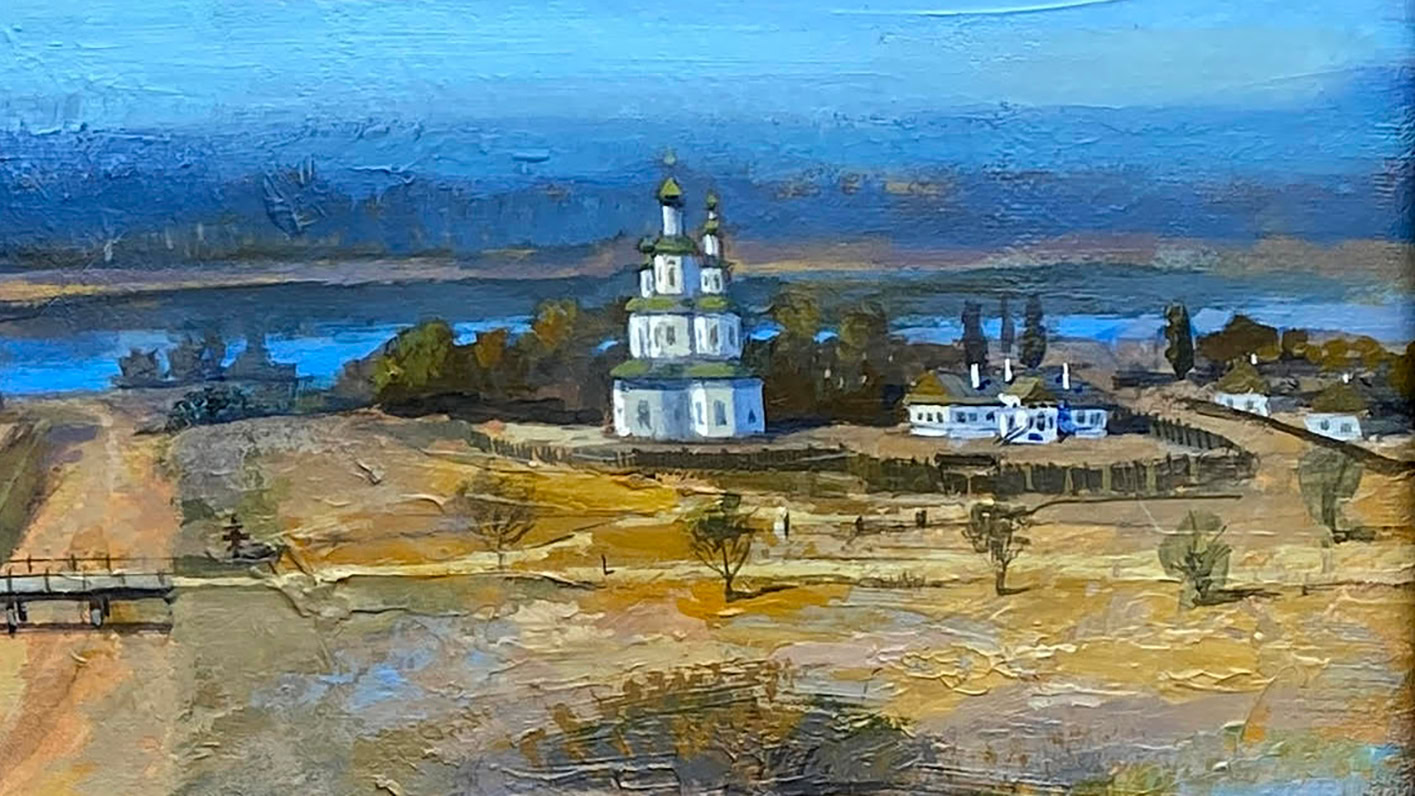
Отже, перша згадка про майбутнього харківського полковника Григорія Донця зустрічається в першому перепису Харківського слобідського полку 1660 року. Його ім’я міститься серед козаків полкової сотні: «Грицко Донец на мерине с пищалю и саблею». Козаком він позначений і на самому початку перепису 1662 року. Під час полковництва Івана Сірка (1665-1668) Григорій Донець згадується сотником, а у 1667 році, коли Сірко пішов з військом Запорозьким на Крим, саме Григорій Єрофійович був у Харкові наказним полковником. Цей факт свідчить як про його авторитет в полку, так і про військовий та адміністративний досвід.
Коли Сірко виступив проти московитів і прийшов у березні 1668 року під Харків, прагнучи захопити полкове місто, то харківські козаки обрали полковником Федора Ріпку. Григорій Донець залишився сотником, але ненадовго. Після заколоту жовтня 1668 року, коли полковника Ріпку вбили козаки, очолювані бунтівним першим харківським отаманом Іваном Кривошликом, новим полковником було обрано Григорія Єрофійовича Донця. Наступного року він поїхав до Москви, аби отримати підтвердження полковництва. У дорозі його супроводжували полковий осавул Іван Афанасьєв, обозний осавул Іван Осипов, полковий писар Іван Тимофієв, хорунжий Онисим Макарьєв, шестеро сотників і 26 козаків. Окремі делегації на чолі зі старшиною відправили Охтирський і Сумський слобідські козачі полки.
До Москви Григорій Донець їздив і пізніше (у 1678, 1679, 1680, 1682, 1684, 1686 роках), щоразу отримуючи пожалування і грамоти не тільки для себе, але й для своїх родичів, ставлеників на старшинські посади та грамоти Харківському полку. Доводилося полковнику виконувати і різні делікатні доручення. Наприклад, у 1671-1673 роках він був посланцем білгородського воєводи Григорія Ромодановського до гетьманської старшини, а у 1678 — возив на Дон викуп татарам за московського воєначальника Василя Шереметєва. Охочим розкритикувати дії Григорія Донця одразу нагадаю про історичний контекст: ігнорувати чинний уряд означало піддати переслідуванням і себе, і своє оточення. У цьому випадку Харків, скоріше за все, так і залишився б другорозрядною фортецею. Натомість довіра особисто до Григорія Єрофійовича приносила користь всьому полку.
Щодо воїнських заслуг Григорія Донця, то чомусь більшість дослідників їх применшують, зневажаючи його внесок не лише в боротьбу з татарськими нападами, а й у розбудову Ізюмської оборонної лінії. Між тим, саме під його керівництвом Харківський полк успішно відбивав татарські напади у 1672, 1673, 1675, 1676 і 1679 роках, а під час великого татарського походу 1680 року — розбив один із загонів під Золочевом. За керівництва Григорія Донця Харківський полк значно укріпив існуючі фортеці, заснував нові (Перекоп, Нововалковий, Золочів, Соколов, Нову Водолагу) та відновив Зміїв. Під час будівництва Ізюмської лінії харківські козаки під керівництвом Григорія Донця брали участь у побудові нових фортець в Ізюмі, Андрієвих Лозах, Бишкині, Лимані, Савинську, Остропіллі тощо.
Слід зазначити, що Григорій Донець, як і всі відомі тогочасні полковники, був людиною жорстокою і свавільною, не гребував захоплювати собі чужі землі (як козаків і старшини, так і московських служилих людей). А хіба краще за нього діяли Григорій Кондратьєв у Сумському полку або Іван Перехрестов в Охтирському? Вони так само утискали козаків, захоплювали землі, млини, селітряні бурти… Отже, під час свого полковництва Григорій Донець зібрав у своє володіння величезні території, йому належали села і слободи (Основа, Бурлук, Довжик, Рогозянка, Цапівка, Мала Данилівка, Олексіївка, Бабаї, Жихор, Уди, Ржавець, Лідне, Березове, Коротич, Гиївка, Буди, Дворічний Кут, Рокитне, Стара і Нова Водолаги, Бірки…). Ба більше: маючи двох синів, Костянтина та Федора, він хотів залишити кожному з них по окремому полку. Саме тому в 1677 році було усунено Балаклійського полковника Якова Чернігівця, а його козачий полк — включено до Харківського.
Московський уряд сприйняв таке об’єднання дуже схвально, оскільки Чернігівець був вже доволі старий і йому було складно контролювати велику територію вздовж річок Оскол і Сіверський Донець (згадати хоча б події 1668 року, коли половина Балаклійського полку перейшла на бік повсталого гетьмана Брюховецького). Але коли Григорій Донець почав вести розмови про заснування окремого Ізюмського полку, реакція була зовсім іншою. Уряд поставив умову, щоб новий полк хоча б на перших порах очолив саме Донець. Тож старий харківський полковник був змушений переселитися до щойно збудованої фортеці Ізюм. Замість себе у Харкові він залишив старшого сина Костянтина, за якого в чолобітній просила козацька старшина Харківського полку. Лише у 1685 році Григорій Донець повернувся до Харкова, а Костянтин очолив свою нову спадщину — Ізюмський полк.
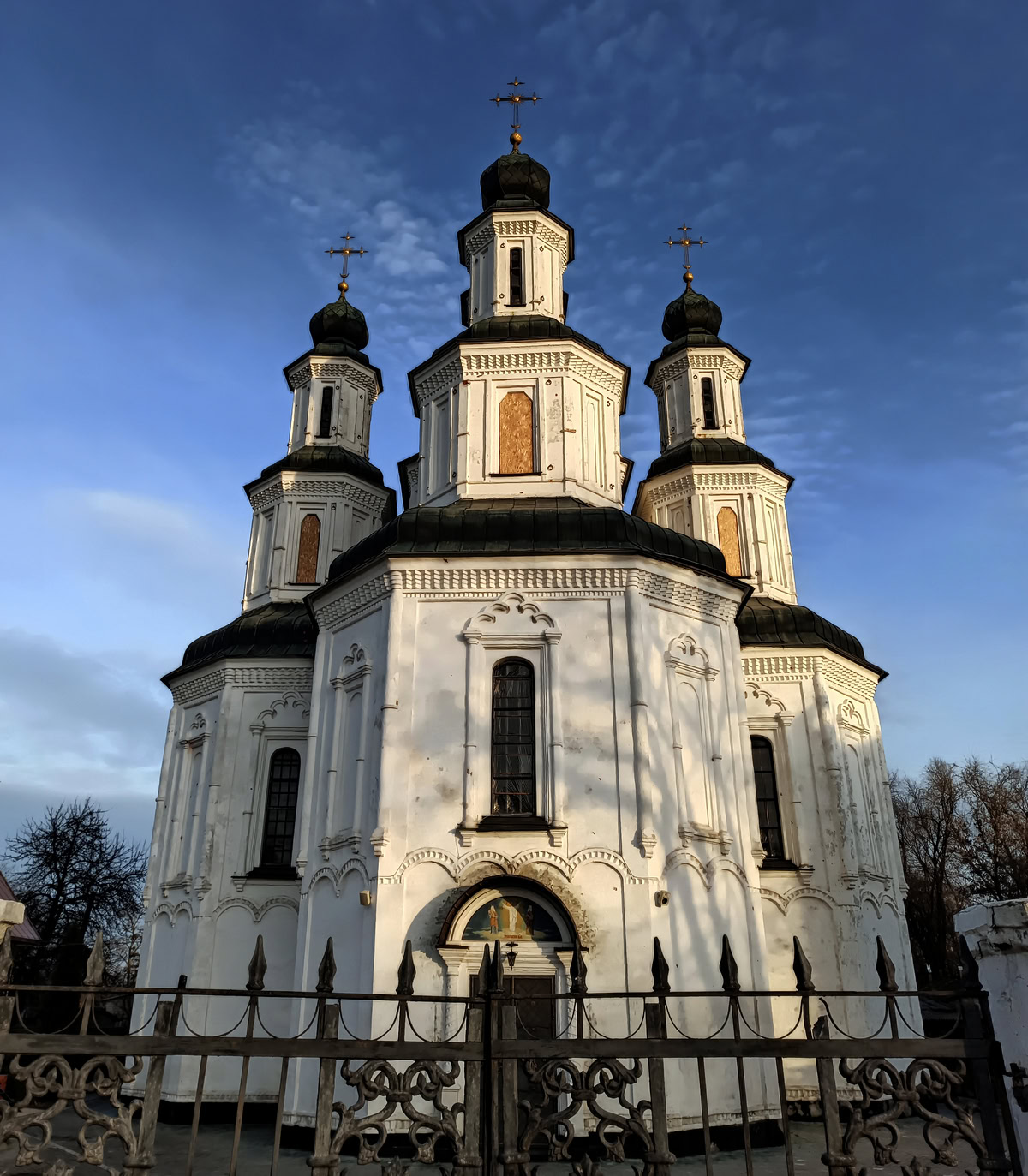
Свою полковницьку діяльність Григорій Донець підкріплював статусними вчинками, що були поширені серед старшини гетьманщини. Так, у 1673 році він став фундатором Харківського Преображенського чоловічого монастиря, у 1684 році — розпочав будівництво кам’яного Преображенського собору в Ізюмі (закінчував його у 1686 році вже син Костянтин), у 1685 році — заснував кам’яний Успенський собор з кам’яною дзвіницею в Харкові, у 1688 році — розпочав будівництво кам’яної Покровської церкви на власному подвір’ї, теж у Харкові. Для забезпечення такого масштабного будівництва полковнику Донцю довелося започаткувати й нові підприємства, зокрема перші цегельні заводи в Харкові та Ізюмі, гути для виробництва скла.
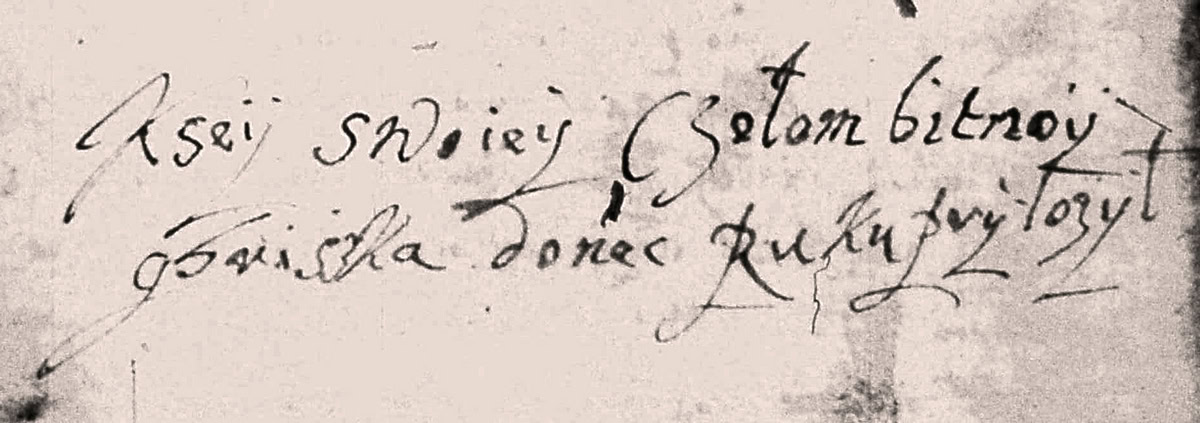
Доволі тривалий час вважалося, що Григорій Донець був неписьменний, оскільки більшість його полковницьких наказів чи універсалів підкріплені особистою печаткою або завірені підписом полкового писаря. Але зараз відомі два його особисті автографи, написані латинкою. Перший — це поступний лист Харківському Преображенському монастирю 1678 року, опублікований архієпископом Філаретом (Гумілевським) у 1852 році. Другий же автограф зберігається в архівах і досі ніде не публікувався. «МедіаПорт» публікує його вперше. Йдеться про чолобитну московському царю Федору Олексійовичу 3 червня 1680 року з підписом «K sey swoiey czełombitnoy Griszka Donec ruku pryłożył».
У 1689-1690 роках полковник Григорій Донець укріплював фортецю Новобогородицьк поза межами Харківського полку на річці Самарі. Скоріш за все, саме там він занедужав. Хвороба, мабуть, була смертельною, Донець переїхав до Харківського Преображенського монастиря, прийняв постриг під іменем Авдій і помер 18 липня 1691 року. Його поховали в тому ж монастирі.
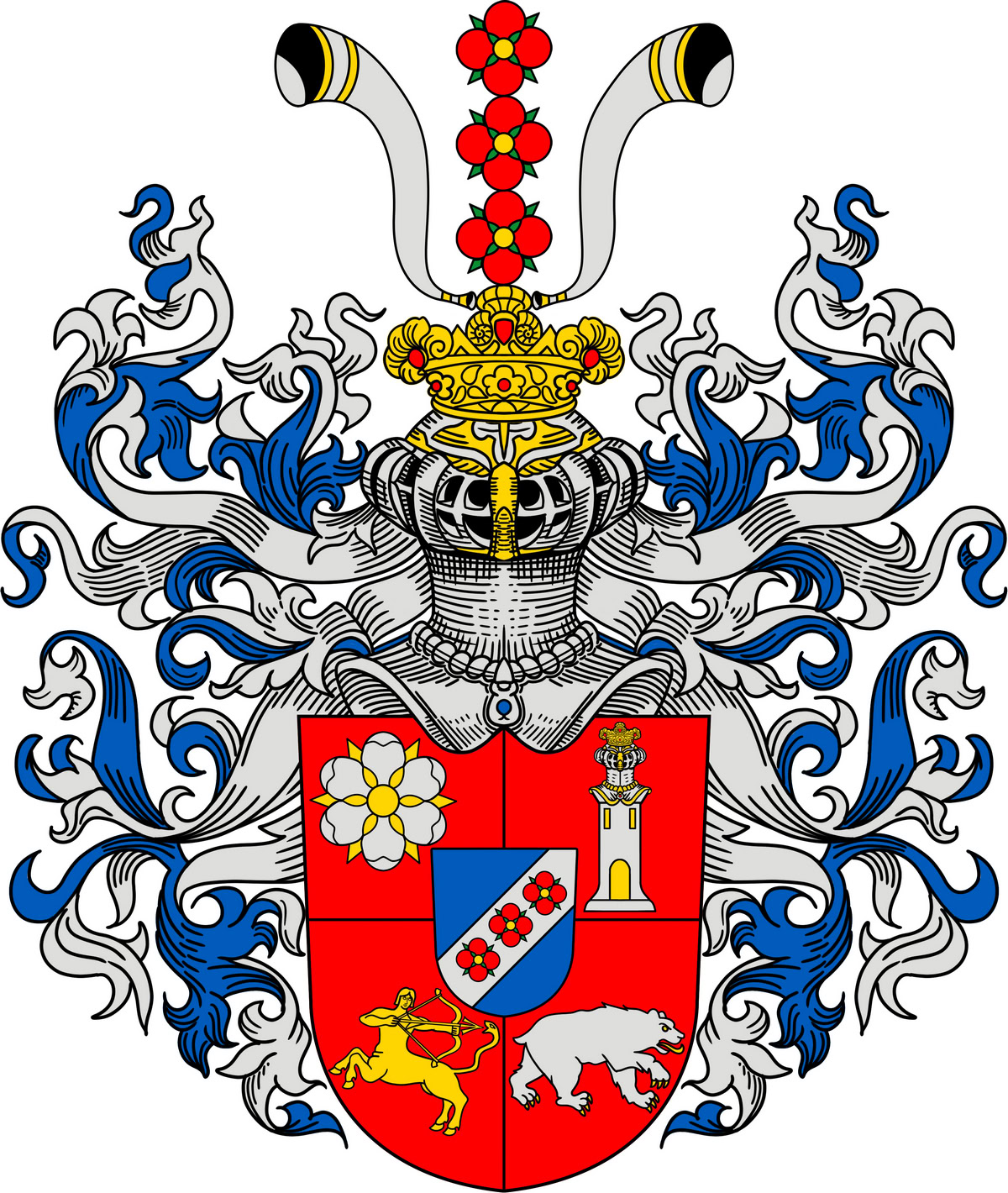
Дружина полковника Євдокія Григорівна, уроджена Ковалевська, померла 14 серпня 1721 року. Син Костянтин, ізюмський полковник, загинув під час бою з татарами у 1693 році. Син Федір, харківський полковник, відомий будівництвом першої кам’яниці у Харкові та виданням першої книги про Харків авторства Івана Орновського «Багатий Сад» («Bogaty Wirydarz»), панегірика роду Донців-Захаржевських. У ній представлені докази, що Григорій Донець мав прізвище Захаржевський гербу Долива, хоча сам жодного разу це прізвище не використовував.
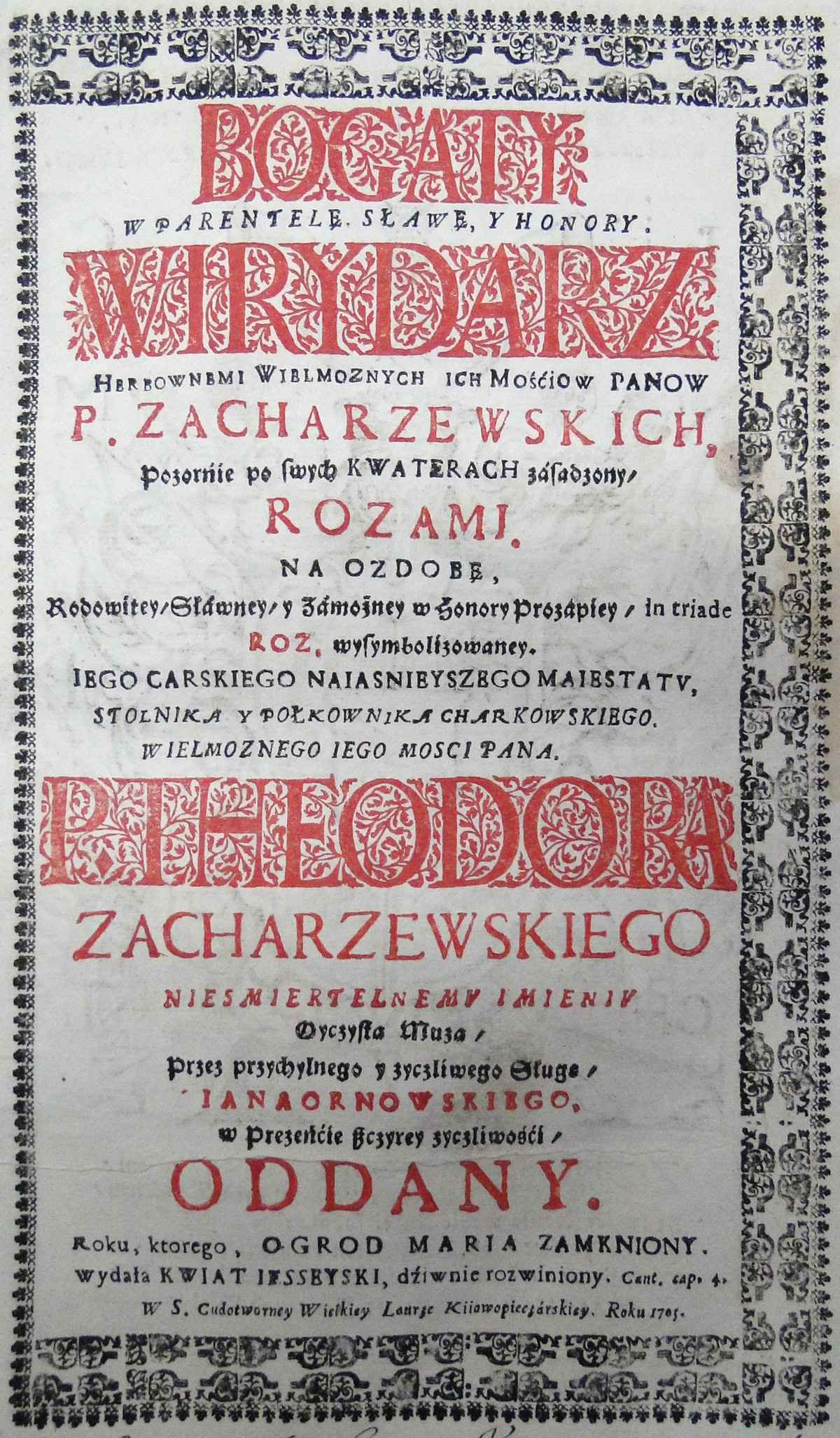
Панегірик яскраво ілюструє прагнення слобідської старшини вести своє коріння від шляхти Речі Посполитої та має на меті довести унікальність родини Донців із претензіями на провідну роль на Слобідщині. Недарма один з примірників був запланований для подарунку гетьману Івану Мазепі.
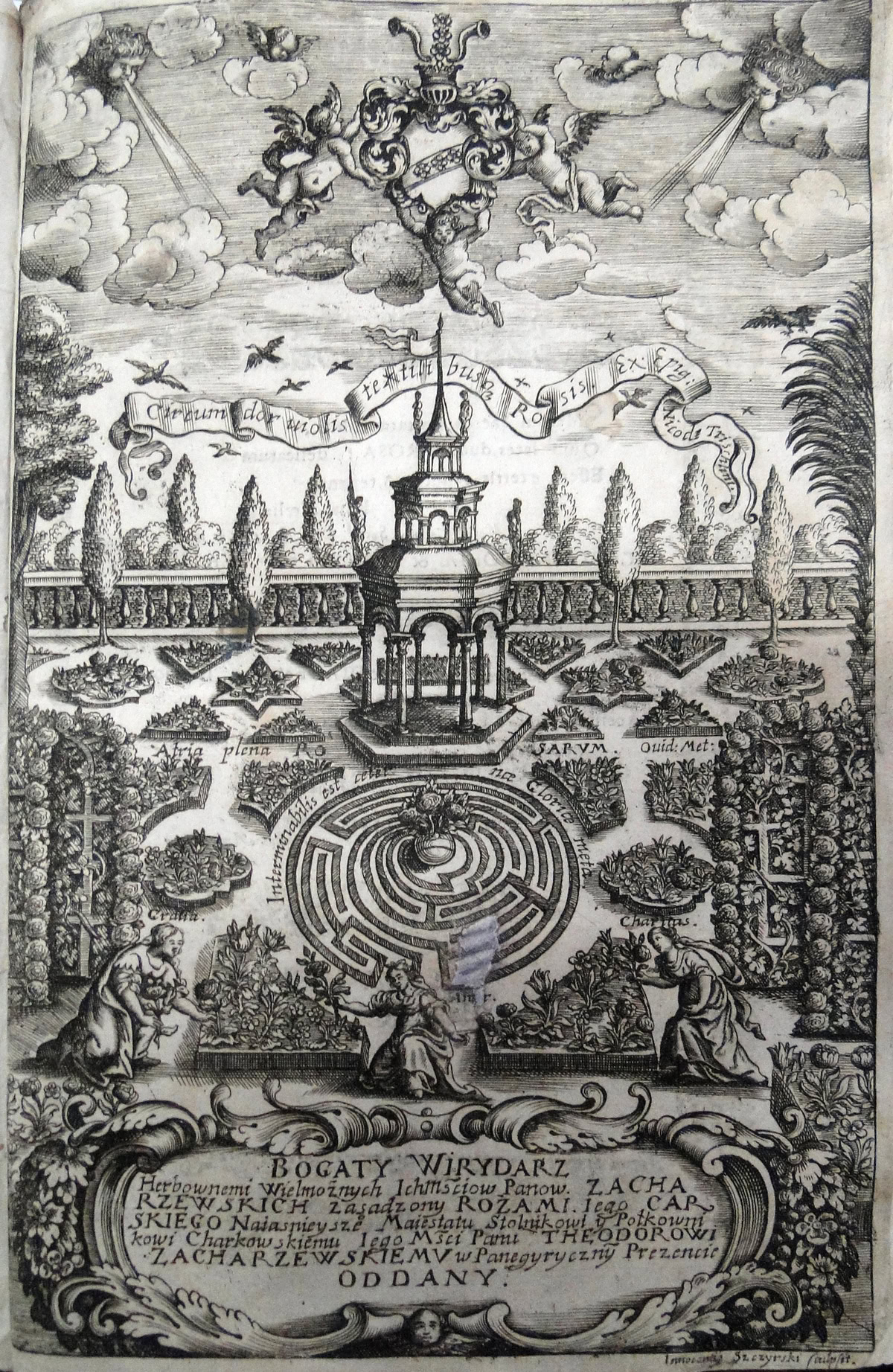
Федір Григорович помер 28 серпня 1706 року під час сторожової служби на річці Самарі. Третій син Григорія Єрофійовича, Іван, відомий як харківський наказний полковник. Донька Уляна була у шлюбі з майбутнім бригадиром слобідських полків Федором Володимировичем Шидловським, ще дві доньки (їхні імена не збереглися) одружилися з воєводою Семеном Дурново і власником маєтностей в Харківському полку на ім’я Яків.
Історія родини Донців-Захаржевських на теренах Слобідщини не обмежується Григорієм Донцем та його синами. Їхні нащадки залишили по собі яскравий і помітний слід в історії. На жаль, з часом їхні здобутки забуваються. Побудовані ними пам’ятки архітектури нищилися під час правління радянської влади і Другої світової війни. Цей процес триває і зараз. Саме цього року внаслідок російського удару був остаточно знищений величезний дерев’яний палац Донців-Захаржевських у Великому Бурлуці.
Невеличка вулиця в центрі Харкова, названа ім’ям Донця-Захаржевського — єдине, що сьогодні нагадує про колись впливовий рід, завдяки засновнику якого почав формуватися образ міста та його інфраструктура. Але названа ця вулиця на честь іншого Донця-Захаржевського — не першого, а останнього представника роду, дійсного статського радника Дмитра Андрійовича. Єдиний пам’ятник полковнику Григорію Донцю встановлено в Новій Водолазі як її засновнику.
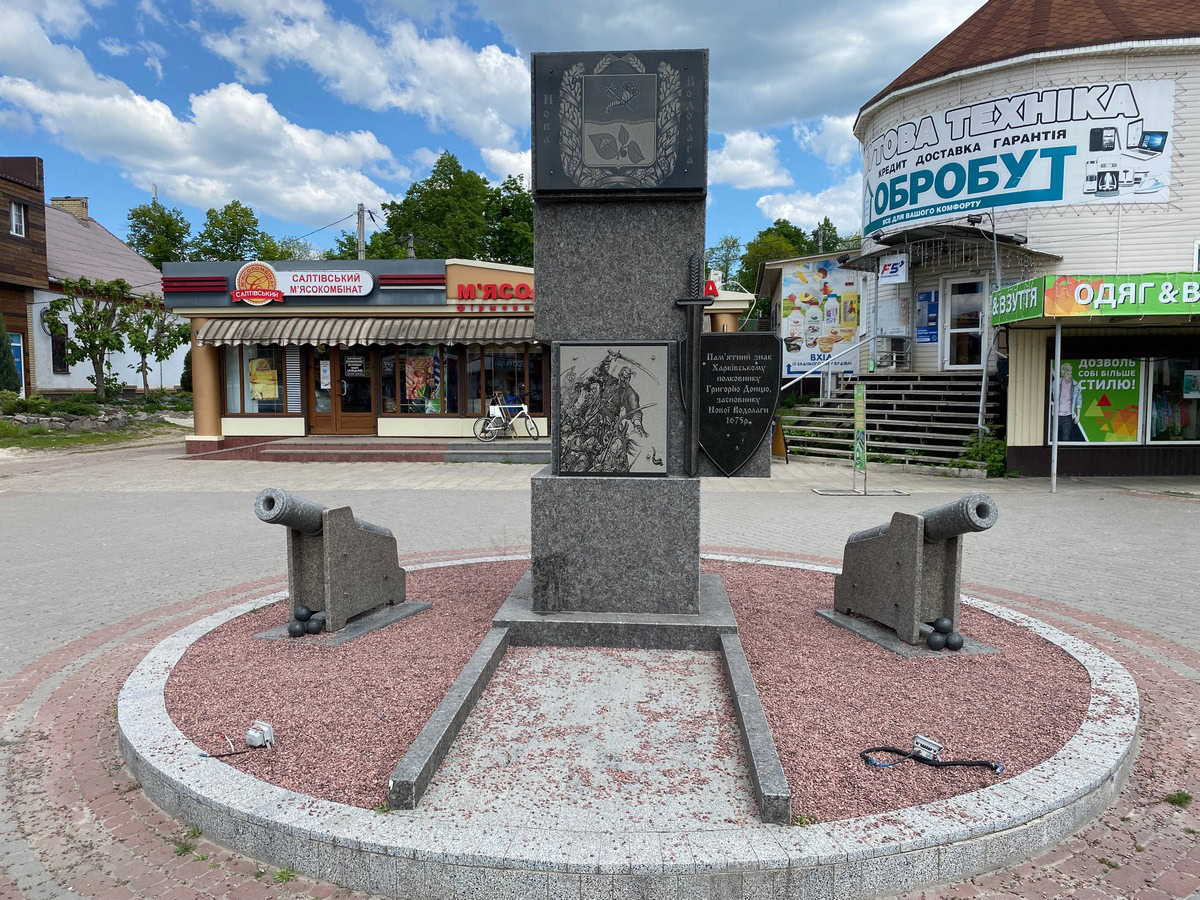
Як на мене, у Харкові теж має бути пам’ятник Григорію Донцю, встановлений на площі Конституції замість незрозумілої жінки з косою, щоб дивився харківський полковник на колишнє власне подвір’я (теперішній монастир) і на понівечену нині красуню Покровську церкву, яку він побудував власним коштом (заразом і церкву б до ладу не гріх привести).
Дослідник історії Слобідської України Андрій Парамонов — автор циклу матеріалів «Фортеця Харків». Читайте колонку Андрія Парамонова на MediaPort