Іван Сірко: отаман, який гуляв сам по собі
Озвучено за допомогою ШІ (Google Cloud).
Текст перекладу
Ivan Sirko: The Chieftain Who Walked by Himself
“Oh, hear the old eagle cry, soaring high into the clouds,
Hey, the Zaporozhian Host roared, rallying to Sirko's side.
Oh, it is not the wind playing in the field, nor an eagle in flight,
It is Sirko and his comrades, making merry in the Sich…”
(Traditional Song of Ivan Sirko)
Ivan Sirko is one of the most popular figures in Ukrainian history. His persona is shrouded in numerous legends and folk tales. He is the hero of songs, poems, films, and novels, not to mention extensive academic research. Despite Sirko's military campaigns against the Muscovites, the majority of authors—even during the Russian Empire and Soviet eras—regarded him as a heroic figure. However, a shortage of documentary sources at the time prevented the compilation of a comprehensive biography.
One of the first professional researchers of Sirko's life and career was Dmytro Yavornytsky, a historian from the Sloboda region. As early as 1884, he traveled to Merefa and Artemivka, where Sirko had once lived with his family. In 1887, Yavornytsky visited the grave of the legendary Kharkiv colonel. Sketches of the tombstone were later produced from photographs, which Yavornytsky used as illustrative material during his university lectures. In 1894, he published a dedicated monograph, “Ivan Dmitrievich Sirko, the Glorious Kosh Otaman of the Zaporozhian Lowland Cossacks,” in which he claimed that Sirko was born in the town of Merefa near Kharkiv.
However, the archival references Yavornytsky cited as sources were either dubious or described entirely different historical events. Nevertheless, the legend of Sirko’s Merefa origins took root and spread. Furthermore, based on Yavornytsky’s assumptions, Merefa celebrated its 400th anniversary in 1995, even though the town was actually founded in 1663, making its real age far younger. Published in St. Petersburg, Yavornytsky's book made Sirko even more popular among Ukrainians. Another native of the Sloboda region, the renowned painter Ilya Repin, also contributed to the glorification of the Kharkiv colonel. In his famous masterpiece, “Reply of the Zaporozhian Cossacks to Sultan Mehmed IV,” Sirko is placed at the absolute center of the composition, depicted as the commanding Kosh Otaman.
Ivan Sirko was by no means forgotten during the Soviet era. In 1967, due to the threat of flooding from a nearby reservoir, his grave was relocated to the Baba-Mohyla mound on the outskirts of Kapulivka village (Nikopol district, Dnipropetrovsk region). At that time, the chieftain's skull was exhumed for anthropological research, which allowed scientists to reconstruct his facial features. It was only in 1990 that the skull was finally reburied alongside Sirko's remains. Despite this, a rigorous biographical study of the Kharkiv colonel's life remained unwritten.
Following Ukraine's independence, interest in the legendary chieftain flared up with renewed vigor. He became the subject of countless publications, though their quantity was often inversely proportional to their historical accuracy. Unfortunately, most of these works only entrenched old myths and birthed new ones, which the majority of Ukrainians still believe today.
This makes the exceptions all the more valuable. In 2004, I had the privilege of publishing a concise volume by historian Volodymyr Masliychuk, “Altera Patria: Notes on the Activities of Ivan Sirko in Sloboda Ukraine,” in which the author demythologizes the Cossack leader, cleansing his biography of falsehoods and inventions. This text was later included in the essay collection “The Province at the Crossroads of Cultures.” Masliychuk continues his research into Sirko's life, unearthing previously unknown facts. This year, Masliychuk compiled an archival sourcebook titled “The Kharkiv Fortress and its Surroundings in the Second Half of the 17th Century,” which contains newly discovered documents regarding the famous Kosh Otaman.
In reality, Ivan Sirko was not born in Merefa, but within the territory of the Polish-Lithuanian Commonwealth; exactly where and when remains unknown. Before relocating to the Kharkiv region, Sirko participated in an anti-Polish uprising. Forced to flee the Commonwealth, he settled in the Muscovite border fortress of Userd, where he served as an ataman of the Ukrainian Cossacks. Following an amnesty for the rebels, Sirko lived near Poltava. By 1657, he was in open opposition to Hetman Ivan Vyhovsky. In 1659, Sirko was recorded as the colonel of the Kalnyk Regiment, and between 1663 and 1664, he held the supreme office of Kosh Otaman in Zaporizhia. Following a political rift with Hetman Ivan Bryukhovetsky and his faction, Sirko relocated to Sloboda Ukraine.
In the spring of 1664, Ivan Sirko fetched his wife from Poltava and traveled to Belgorod, and from there to the newly established sloboda (settlement) of Merefa. At the time, a fortress was being built there, and a new sotnia (military-administrative company) of the Kharkiv Sloboda Cossack Regiment was being organized. Although the regiment existed on paper since 1659, it had not yet become an effective combat unit within the Belgorod regional defense forces. Consequently, Sirko was appointed Colonel of Kharkiv.
The Muscovite government placed high hopes on his extensive military experience. However, as the Kharkiv colonel, Sirko was expected to reside in Kharkiv itself—an arrangement that held no appeal for him, as the city housed a Muscovite military governor (voivode) and a permanent garrison of state servicemen. While some historical accounts describe a dedicated residence for the Kharkiv colonel inside the citadel, adjacent to the governor's compound, this is factually incorrect. Prior to the abolition of the voivode administration in 1702, no Ukrainian colonel maintained a private residence within the city's citadel.
Sirko intentionally chose Merefa as his headquarters. This new settlement was sufficiently distant from Kharkiv, and its fortress did not yet host a Muscovite governor. However, if circumstances required, the regimental capital could be reached rapidly via the Mozhesky Outpost–Belgorod highway. Near Merefa, Sirko founded the small settlement of Artemivka (named after the colonel's son-in-law, Ivan Artemov). He constructed a watermill on the Merefa River and established livestock farms on his lands.
The first official record of Sirko's tenure as Kharkiv colonel dates to September 19, 1665, when he led Kharkiv Cossacks to defeat a Tatar detachment near Balakliya, capturing two prisoners. During his colonelcy, Sirko participated in campaigns alongside the Belgorod regional regiment under the command of Governor Grigory Romodanovsky. He organized the Kharkiv Cossacks for border guard duty near the Mozhesky Outpost "at Valky" (where the Perekop fortress would later be established), near the southernmost Muscovite fortification of Mayak on the Siverskyi Donets, and at the state-owned salt lakes at Tor (modern-day Sloviansk), where a rotation of 132 Cossacks was regularly dispatched.
Sirko's status as Kharkiv colonel is further confirmed by a recently discovered document from 1667, which notes that he led a Cossack force to Tor to protect the salt works from a Tatar raid. This aligns with the epic folk poem “The Duma of the Widow Sirkykha,” published in 1893, which centers on Ivan Sirko’s wife living in Merefa. The duma recounts how Sirko’s son, Petro, traveled to Tor to find his father, but was betrayed by his dzhura (Cossack page) and perished alongside his comrade:
“In the town of Merefa there lived a widow,
An old wife, Sirkykha-Ivanykha,
For seven long years she bided,
Never setting eyes on her husband, Ivan Sirko,
With only her two sons by her side…”
(The Duma of the Widow Sirkykha)
Ivan Sirko did not view the Kharkiv colonelcy as a priority and treated his administrative duties formally. Instead of unifying the regiment, he forged independent relationships with specific companies (sotnias). He frequently forced the urban companies of fortress garrisons to obey him rather than the Muscovite governors, sparking fresh jurisdictional conflicts. Sirko viewed the Sloboda regiments as a temporary phenomenon. This dismissive attitude explains why, in the autumn of 1667, he abandoned the regiment entirely to launch a military campaign against Crimea.
This campaign, loosely coordinated with the Commonwealth and Muscovy, inadvertently led to the Treaty of Pidhaitsi. Hetman Petro Doroshenko was forced to sign this disadvantageous peace treaty because his allies, the forces of the Crimean Khan, abandoned the field to return home and confront Sirko’s Cossacks, who were ravaging the Shyrymbey uluses (settlements) near Kaffa and taking numerous captives.
Though Sirko appeared secure in Muscovite service within the Kharkiv regiment, in March 1668, he instigated an uprising in the Sloboda region in support of Hetman Bryukhovetsky, with whom he had formed a temporary alliance. Joined by a faction of the Kharkiv Regiment, Sirko marched from Merefa toward Kharkiv. He expected the local garrison to support him and open the gates of the fortress. He was likely counting on the assistance of the former Kharkiv ataman and company commander, Ivan Kryvoshlyk, who ultimately failed to deliver on his promise.
On March 11, 1668, acting in his capacity as Kharkiv colonel, Ivan Sirko led his rebel Cossacks from Merefa, Zmiiv, Pechenihy, and other towns to surround the Kharkiv Fortress.
“Sirko looked intently at the Kharkiv Fortress—a place familiar to him yet never loved—looking at it as if for the very first time. It appeared so mysterious to him. And today, for some reason, he saw all the structural flaws of this fortress more sharply, as if he were already its master, as if he, instead of the voivode, were already in command there. He saw that the governors had cared little for making the city mightier. ‘My Kharkiv will not be like this,’ his lips seemed to whisper…”
(“The Cossack and the Governor,” Mykola Horban)
Sirko approached the fortress walls from the north, as the southern paths were completely blocked by spring floods. Had he been able to approach from the "Small Town" (Malyi Horod) sub-fortress to the south, he could have captured it with ease, as its outer palisades were unfinished. Finding the gates barred, Sirko attempted to storm Kharkiv, but failed. The fortress responded with heavy artillery fire, forcing the famous Kosh Otaman to retreat, especially as a relief force of 500 state servicemen was marching from Belgorod to aid the city.
Sirko and his loyalists retreated first to Merefa, and then further toward Valky. In retaliation, Muscovite forces and loyalist Kharkiv Cossacks burned the rebellious town of Merefa to the ground. Throughout April and May, the rebel Cossacks under Sirko launched raids near Kharkiv and Chuhuiv before moving toward Kotelva to join forces with Hetmans Bryukhovetsky and Doroshenko. There, they successfully repelled a Muscovite detachment from Belgorod during engagements near Kolontaiv, Kotelva, and later Okhtyrka. Meanwhile, the loyalist Kharkiv Cossacks elected a new colonel, Fedir Ripka.
The subsequent chapters of Ivan Sirko’s life are well-documented, as are the activities of his sons-in-law in the Sloboda region. Sirko passed away on May 4, 1680, at his apiary in the village of Hrushivka, and was laid to rest at the Chortomlyk Sich (near modern-day Kapulivka).
Interestingly, when a monument to Ivan Sirko was erected in Kharkiv on August 18, 2017 (on Bursatskyi Uzviz), it was not done to honor him as a Kharkiv colonel who led the regional regiment, but precisely to commemorate his role as the rebel leader who rose against the Muscovite governors, sided with Hetman Bryukhovetsky, and marched to capture the Kharkiv Fortress.
“Kharkiv Fortress” is an ongoing historical series by Andriy Paramonov, a dedicated researcher of Sloboda Ukraine's history. Read the author’s full column on MediaPort.
«Ой, як крикне старий орел, що під хмари в’єтця,
Гей, загуло Запорожжя тай до Сірка тнетця.
Ой, не вітер в полі грає, не орел літає,
Ото ж Сірко з товариством на Січі гуляє…»
(Пісня про Івана Сірка)
Іван Сірко — один із найпопулярніших персонажів історії України. Його постать овіяна численними легендами і переказами. Він є героєм пісень і поем, фільмів і романів, не кажучи вже про наукові дослідження. Попри участь Сірка у військових діях проти московитів, більшість авторів навіть за часів Російської імперії та радянської влади вважала його героїчною особистістю. Але нестача документальних джерел в ті часи не давала змоги скласти його повноцінну біографію.
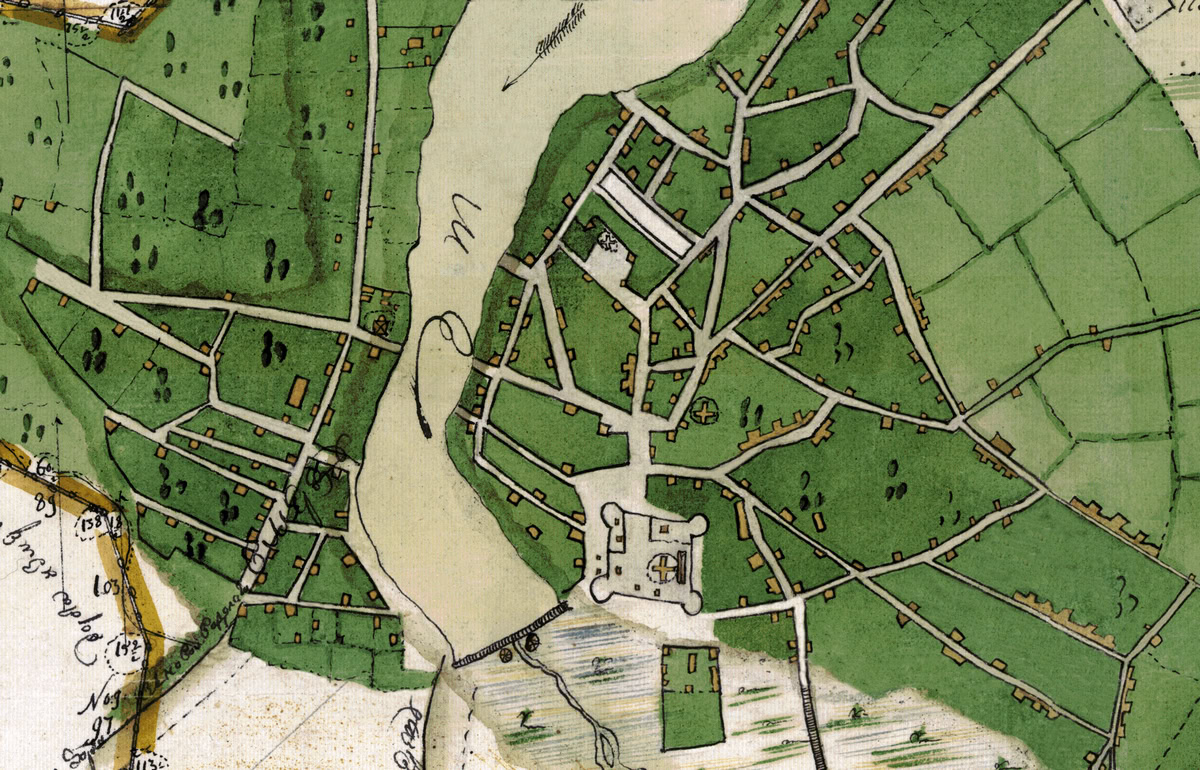
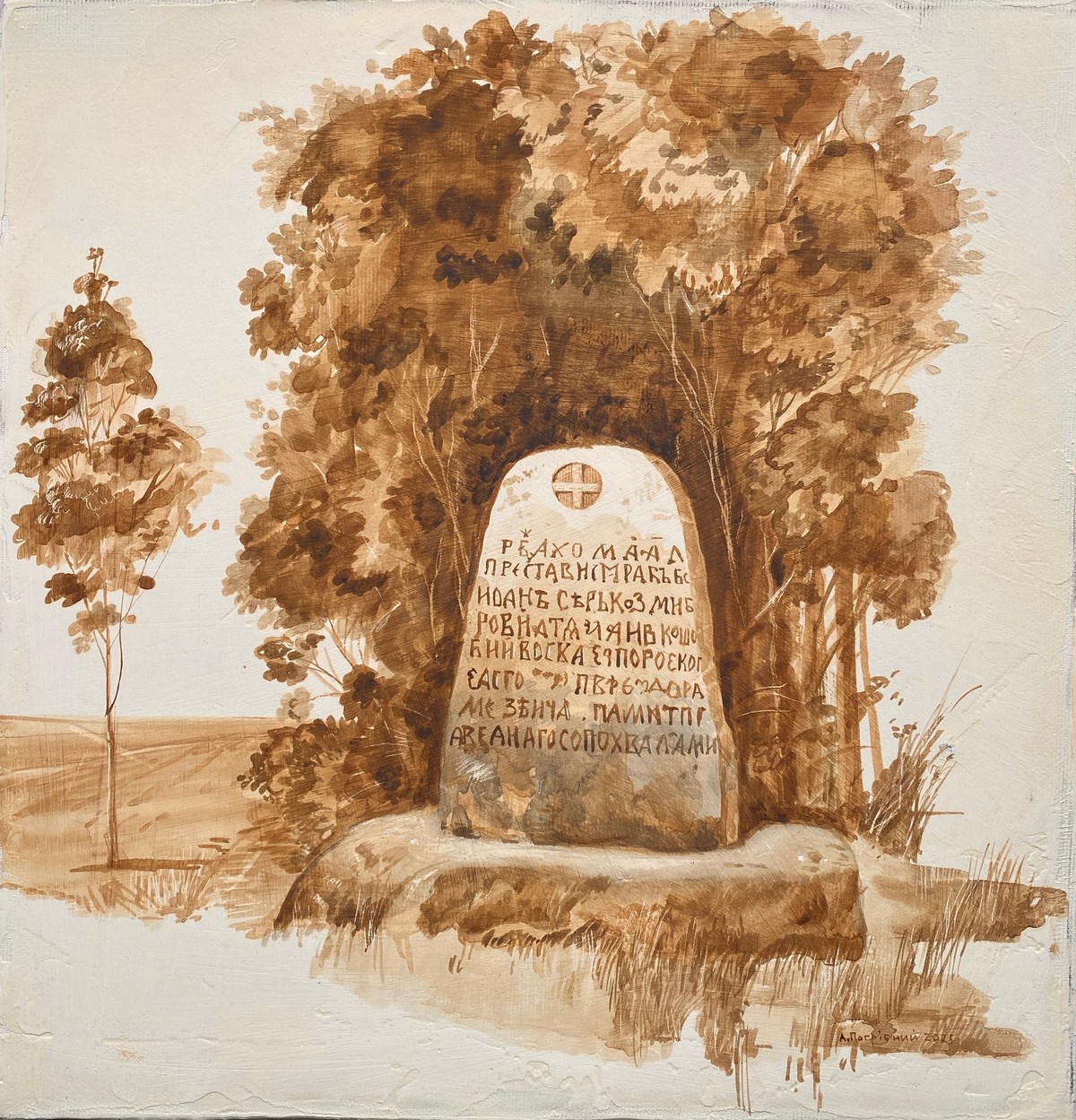
Одним із перших фахових дослідників життя і діяльності Івана Сірка став слобожанин, історик Дмитро Іванович Яворницький, який ще у 1884 році приїжджав до Мерефи й Артемівки, де свого часу жив Сірко з родиною. У 1887 році Яворницький відвідав могилу легендарного харківського полковника, після чого з фотографії були зроблені малюнки надгробку, які Дмитро Іванович використовував на лекціях як ілюстративний матеріал.
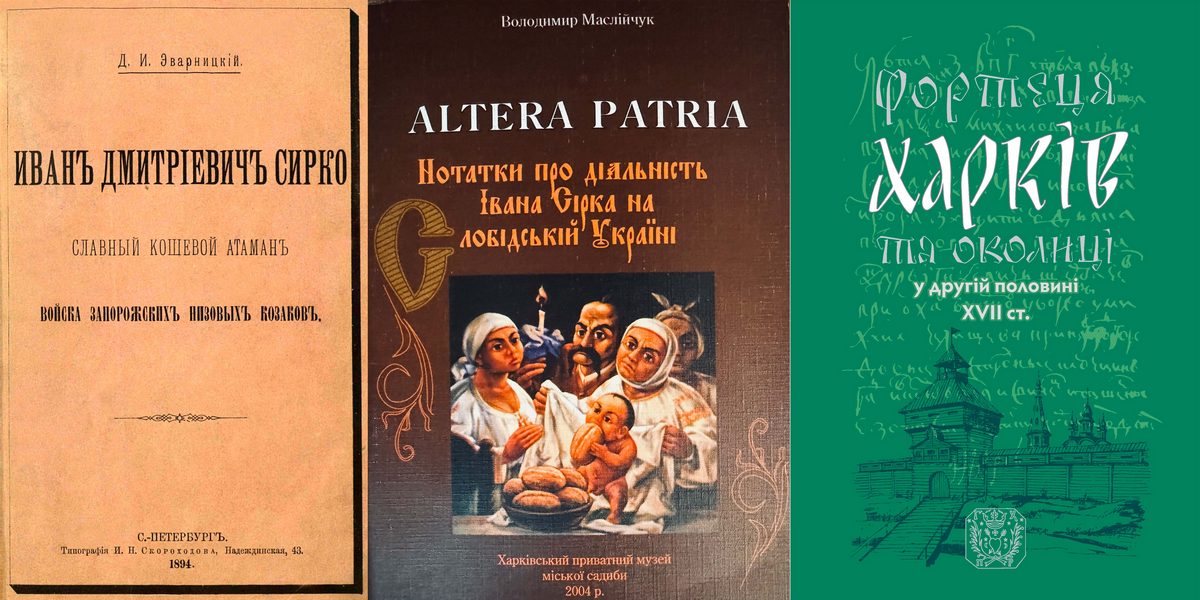
У 1894 році він видав окрему книгу «Иван Дмитриевич Сирко, славный кошевой атаман войска запорожских низовых козаков», у якій стверджував, що Сірко є уродженцем містечка Мерефа під Харковом. Проте посилання, які Яворницький наводив у якості джерел, були або сумнівні, або описували інші події. Менше з тим, легенда про мереф’янське походження Сирка прижилася і розповсюдилася. Ба більше, з легкої руки Дмитра Івановича у 1995 році Мерефа святкувала 400-річний ювілей, хоча насправді місто було засноване лише у 1663-му, тож його справжній вік був далекий від 400 років.
Видана в Петербурзі книга Яворницького зробила Сірка ще популярнішим серед українців.
Доклався до уславлення харківського полковника і ще один слобожанин — художник Ілля Рєпін. На його картині «Запорожці пишуть листа турецькому султанові…» саме Сірку відведено центральне місце в композиції — кошового отамана.
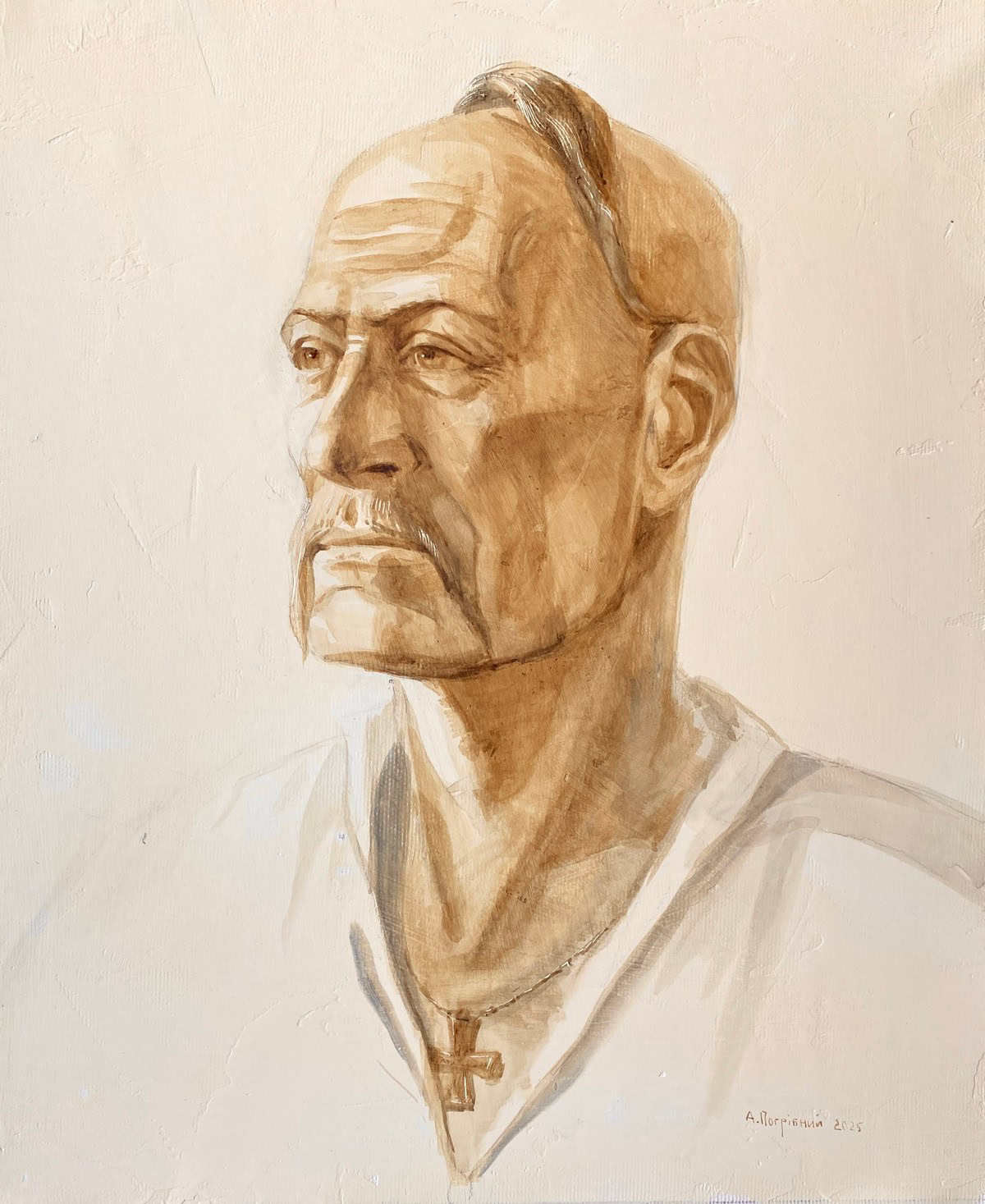
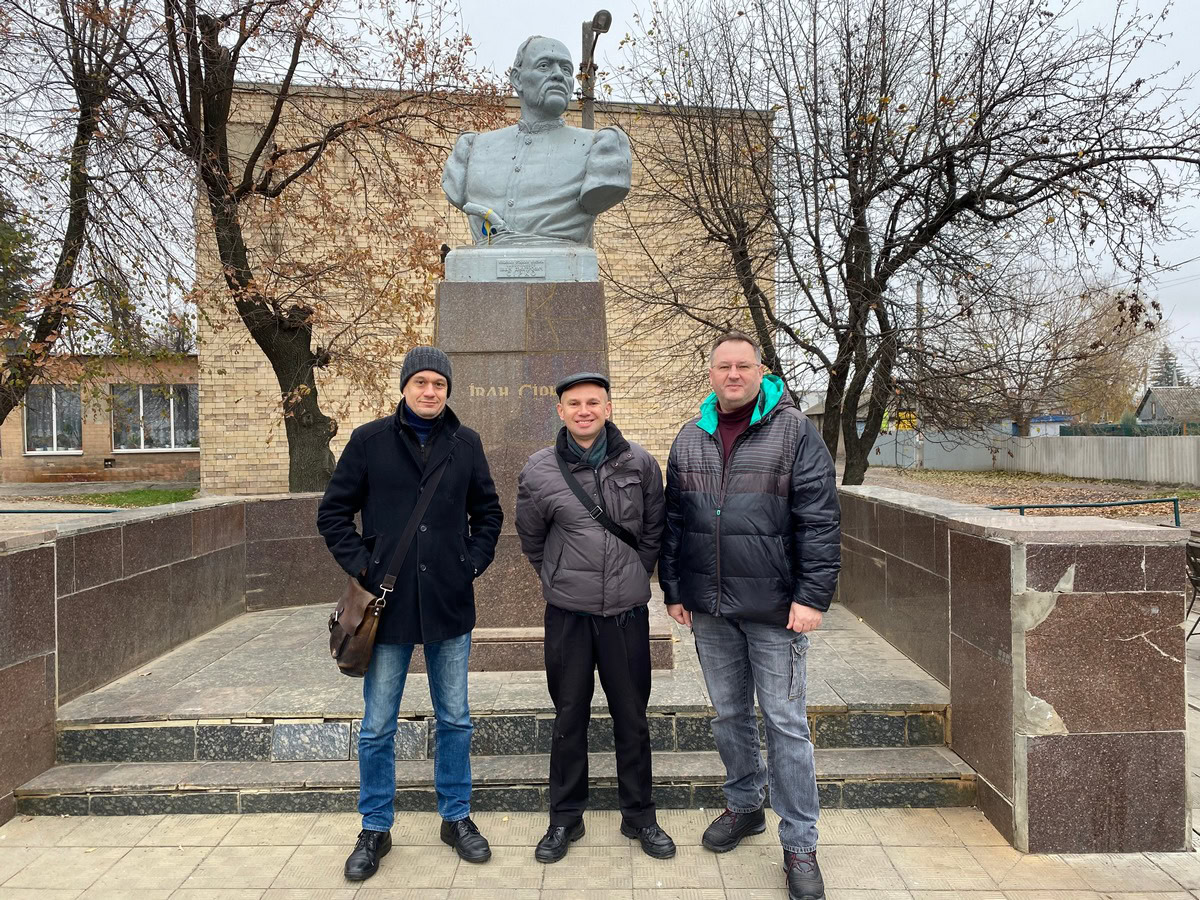
Не можна сказати, що в радянські часи про Івана Сірка зовсім забули. У 1967 році через загрозу підтоплення його могилу перенесли на курган Баба-могила на околиці села Капулівка Нікопольського району Дніпропетровської області. Тоді ж череп отамана був вилучений для досліджень, завдяки яким вдалося відтворити обличчя отамана. Тільки у 1990 році череп поховали разом із тілом Сірка. Однак гідного біографічного дослідження долі харківського полковника так і не було проведено.
За часів незалежності України цікавість до постаті легендарного отамана спалахує з новою силою. Він фігурує у безлічі публікацій, щоправда їхня кількість обратно пропорційна якості: на жаль, вони здебільшого призводять лише до вкорінення старих і поширення нових міфів, в які дотепер вірить більшість українців. Тим цінніші винятки з цього правила. У 2004 році мені пощастило видавати невеличку книжечку історика Володимира Маслійчука «Altera Patria. Нотатки про діяльність Івана Сірка на Слобідській Україні», в якій автор деміфологізує козацького ватажка, очищуючи його біографію від неправди та вигадок. Пізніше цей текст увійшов до збірки статей «Провінція на перехресті культур».
Маслійчук продовжує досліджувати діяльність Сірка, знаходити й оприлюднювати нові, раніше невідомі факти з його життя. Так, цього року за упорядкуванням Маслійчука вийшла збірка архівних джерел «Фортеця Харків та околиці у другій половині XVII ст.», що містить нові документи щодо славетного кошового.
Насправді Іван Сірко народився не в Мерефі, а на території Речі Посполитої. Де саме і коли — невідомо. До переїзду в Харків Сірко взяв участь у повстанні проти поляків, через що був вимушений покинути землі Речі Посполитої й оселитися в московській фортеці Усерд, де він був отаманом українських козаків. Після амністії учасників антипольського повстання Сірко жив поблизу Полтави. З 1657 року він перебував в опозиції до гетьмана Івана Виговського. У 1659 році Сірко був відомий як кальницький полковник. У 1663-1664 роках був кошовим на Запоріжжі. Через сварку з гетьманом Іваном Брюховецьким і прихильною до нього частиною запорожців переїхав на Слобідську Україну.
Навесні 1664 року кошовий війська Запорізького Іван Дмитрович Сірко забрав дружину з Полтави і поїхав до Білгорода, а звідти — до щойно заснованої слободи Мерефа, де будується фортеця і формується нова сотня Харківського слобідського козацького полку. Хоча на папері він був створений за п’ять років до того, але ще не став справжньою бойовою одиницею у складі Бєлгородського помісного полку. Тож Сірко був призначений харківським полковником. Звісно, що московський уряд покладав великі надії на його військовий досвід.
Ставши харківським полковником, Сірко мав би жити в Харкові, однак це його не приваблює, оскільки там проживає московський воєвода і гарнізон служилих людей. Деякі автори описують двір харківського полковника всередині харківської фортеці, поруч із воєводськими двором, але це не відповідає дійсності. До ліквідації у 1702 році воєводського управління жоден харківський полковник не мав власного двору в цитаделі фортеці.
Сірко не випадково обрав своєю резиденцією Мерефу. Ця нова слобода була достатньо віддалена від Харкова, в її фортеці ще не було московського воєводи, проте за необхідності до полкового міста можна було дістатися досить швидко дорогою Можеський острог — Бєлгород. Поруч із Мерефою Сірко осадив слобідку Артемівку (своєю назвою вона завдячує зятеві полковника — Івану Артемову). На річці Мерефа був побудований млин, а на землях — заведені гурти скота.
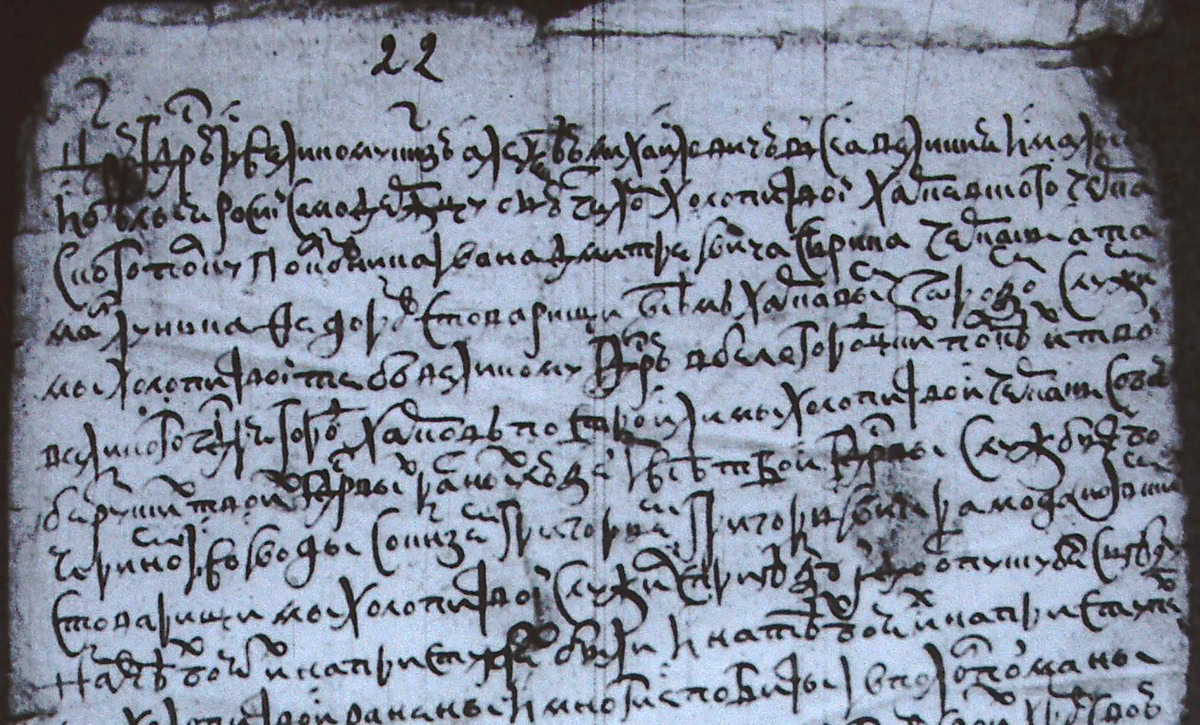
Перша офіційна згадка про харківське полковництво Сірка датується 19 вересня 1665 року, коли він на чолі харківських козаків розбив татарський загін під Балаклією. Тоді було взято в полон двох татар. У роки свого полковництва Сіркові доводилося брати участь у походах Бєлгородського помісного полку під керівництвом воєводи Григорія Ромодановського, організовувати харківських козаків на сторожовій службі поблизу Можеського острогу «на Валках» (де пізніше буде засновано фортецю Перекоп); поблизу найпівденнішого московського укріплення Маяк на Сіверському Донці; на державних соляних озерах на Тору (сучасний Слов’янськ), куди відправляли поперемінно партію у 132 козаки.
Харківське полковництво Івана Сірка підтверджує також ще одне з нещодавно знайдених джерел 1667 року, згідно якому Іван Дмитрович очолив козаків, що їхали на Тор, аби захистити соляні промисли від набігу татар. Це перекликається з опублікованою у 1893 році «Думою о вдове Сирчихе», в якій йдеться про вдову Івана Сірка, що жила в Мерефі. Серед іншого «Дума» розповідає, як син Сірка Петро поїхав під Тор шукати батька, але, зраджений джурою, загинув разом із товаришем.
«В городе Мерефе жила вдова,
Старенькая жена,
Сирчиха-Иваниха,
Она 7 лет пробувала,
Сирка Ивана в очи не видала.
Только себе двоих сынов мала…»(Дума о вдове Сирчихе)
Іван Сірко не вважав для себе харківське полковництво пріоритетним і ставився до своїх обов’язків формально, замість об’єднання полку формував окремі стосунки з окремими сотнями, змушував підпорядковуватися йому, а не воєводам міські сотні гарнізонів фортець, через що виникали нові конфлікти. Взагалі Сірко вважав, що слобідські полки — це тимчасове явище. Таке зневажливе ставлення до посади пояснює, чому восени 1667 року він взагалі залишив полк і взяв участь у поході на Крим.
Ініційований Річчю Посполитою і Московією похід на Крим призвів до Підгаєцької угоди. Гетьман Петро Дорошенко був змушений її підписати, хоч вона була невигідна, оскільки союзні війська кримського хана покинули його і повернулися додому — протистояти козакам Сірка, які нищили Ширимбеївські улуси під Кафою і взяли багато полонених.
Здавалося б, Іван Сірко був щасливим на службі у московитів у харківському полку, проте у березні 1668 року він очолив на Слобідщині повстання на користь гетьмана Брюховецького, з яким уклав тимчасовий союз. До нього приєдналася частина козаків Харківського полку і під його проводом вирушила з Мерефи під Харків. Сірко сподівався, що тамтешні козаки підтримають його і відкриють ворота фортеці. Скоріш за все, він розраховував на колишнього харківського отамана і сотника Івана Васильовича Кривошлика, та той чомусь не зміг дотриматися домовленості. 11 березня 1668 року в статусі харківського полковника Іван Сірко на чолі з вірними йому харківськими козаками з Мерефи, Змієва, Печеніг та інших містечок підступив до Харківської фортеці.
«Дивився Сірко пильно на знайому йому та ніколи не любу Харківську фортецю, дивився так, наче вперше її бачив. Така таємнича здавалась вона йому. І сьогодні чогось гостріше бачив він усі хиби в цій фортеці, так, наче він уже був хазяїном її, так, наче він уже, замість воєводи, порядкує там. Бачив він, що не дуже дбали воєводи, щоб місто могутнішим зробити. «Не таким буде в мене Харків» — наче шепотіли його вуста…».
(«Козак і воївода», Микола Горбань)
Сірко підійшов до стін харківської фортеці з півночі, оскільки з іншого боку шлях був закритий через весняне водопілля. Якби він мав змогу підступити з боку Малого міста на півдні, то зміг би без особливих перешкод взяти хоча б його, бо укріплення цього острожка не були закінчені. Побачивши ворота зачиненими, Сірко спробував штурмувати Харків, але невдало. Фортеця відповіла пострілами з гармат, і славному кошовому отаману і харківському полковнику довелося відступити, оскільки з Бєлгорода на допомогу Харкову вирушили 500 служилих людей.
Сірко відступив з вірними козаками спочатку на Мерефу, а потім — далі на Валки. Московити і харківські козаки спалили бунтівну Мерефу. У квітні та травні козаки-повстанці на чолі із Сірком бешкетували під Харковом та Чугуєвом, а потім пішли під Котельву на з’єднання з гетьманами Іваном Брюховецьким і Петром Дорошенком, де вдало відбилися від бєлгородського загону московитів під Колонтаєвом, Котельвою а потім і під Охтиркою. Між тим, харківські козаки обрали собі нового полковника, їм став Федір Ріпка.
Подальша доля Івана Сірка доволі добре описана, як і діяльність його зятів на Слобідщині. Помер Сірко 4 травня 1680 року на своїй пасіці в селі Грушівка, а похований був на Чортомлицькій Січі (сучасне село Капулівка Нікопольського району).
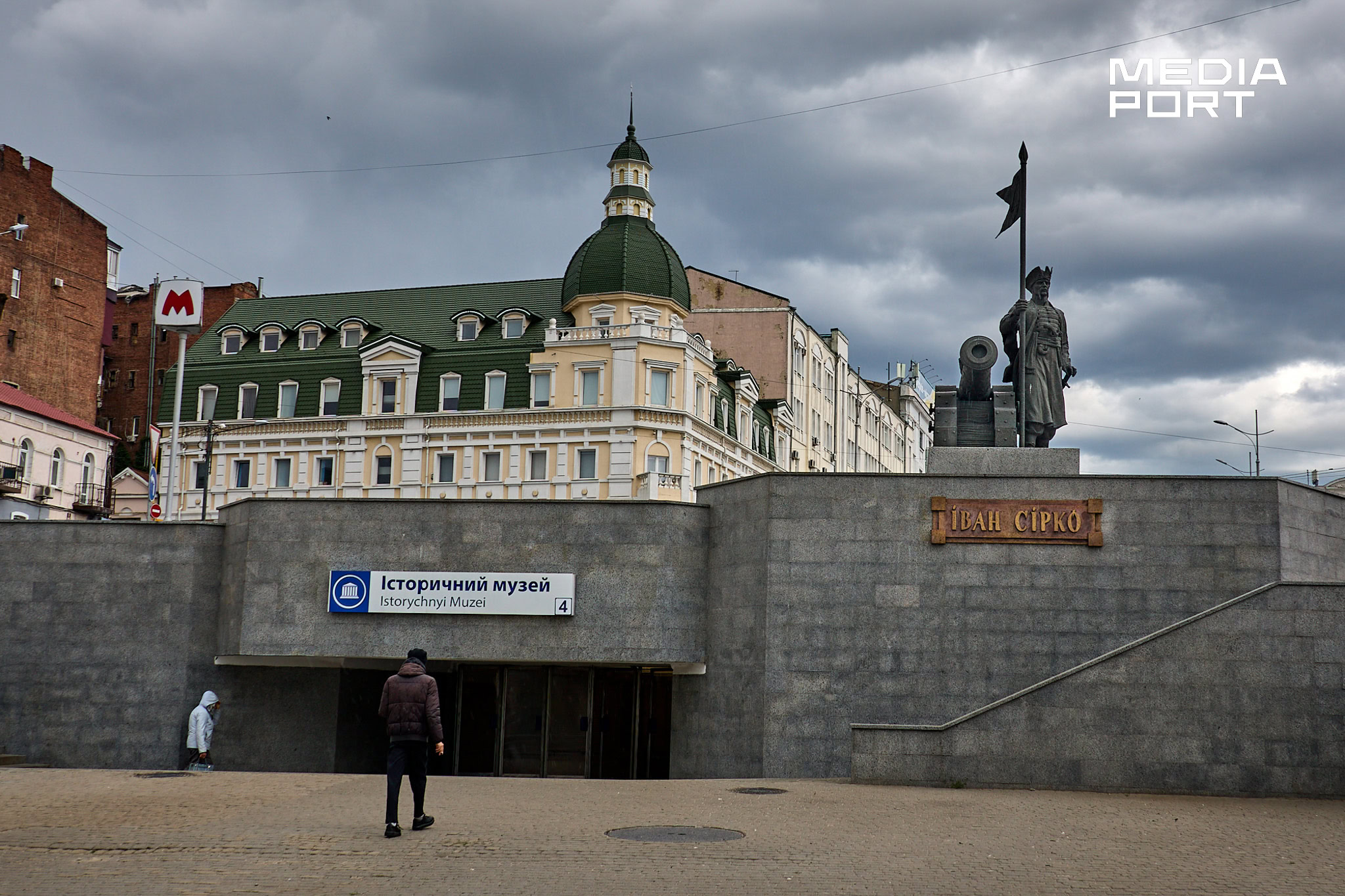
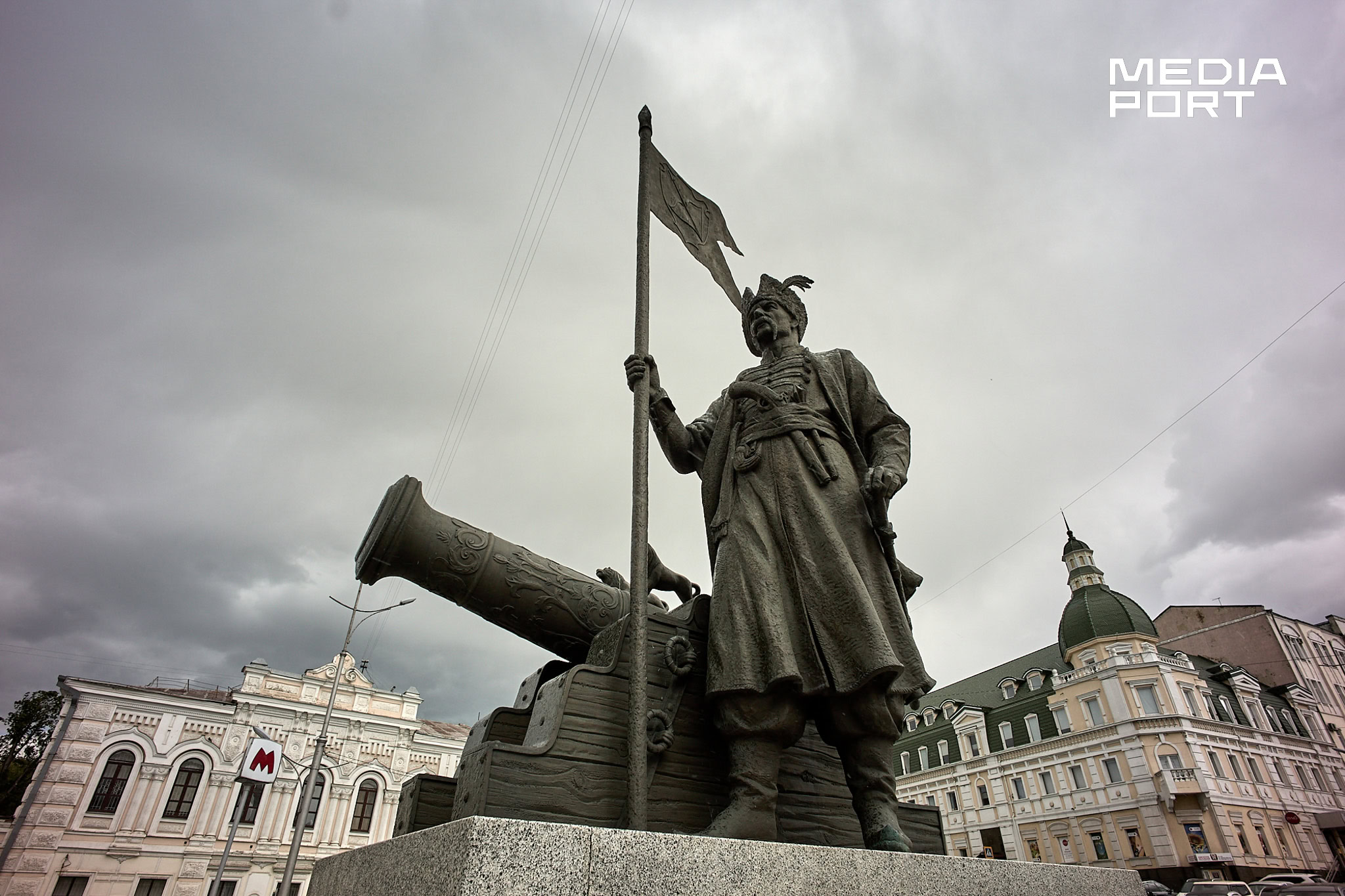
Цікаво, що в Харкові пам’ятник Івану Сірку встановили 18 серпня 2017 року на Бурсацькому узвозі, тобто не як харківському полковнику, який очолював козаків Харківського полку, а саме як ватажку повстанців проти московських воєвод, який виступив на боці гетьмана Івана Брюховецького і прийшов захопити Харківську фортецю.
Дослідник історії Слобідської України Андрій Парамонов — автор циклу матеріалів «Фортеця Харків». Читайте колонку Андрія Парамонова на MediaPort