Фортеця Харків: Курязький монастир — для душі, для статусу і для оборони
Озвучено за допомогою ШІ (Google Cloud).
Текст перекладу
Kharkiv Fortress: The Kuryazh Monastery — For the Soul, Status, and DefenseIn 1669, when the company commander (sotnyk) Grigory Yerofiyovych Donets-Zakharzhevsky was elected Colonel of the Kharkiv Sloboda Cossack Regiment, the city already boasted a fairly powerful fortress with a significant garrison, artillery, and nine churches. The only thing it lacked to stand on equal footing with other major fortresses of the Belgorod Defensive Line and the regimental capital cities of the Sloboda region was its own monastery. However, Donets-Zakharzhevsky constructed it with an additional, strategic long-term goal in mind. By resolving to found the Kharkiv Transfiguration Monastery, Grigory Donets-Zakharzhevsky sought to achieve several goals simultaneously: to permanently consolidate his colonel's power, to establish a central spiritual hub for Kharkiv, and to secure a tranquil haven where he could spend his old age.The construction of the monastery was strongly backed by the regiment’s Cossack officer elite (starshina), including regimental judge Ivan Lazchenko, company commander Kostyantyn Parasochyn, ataman Matviy Kremenetsky, mayor (viyt) Ivan Osypovych, regimental clerk Grigory Ivanov, as well as several other prominent Cossacks and Archpriest Zakhariy Filimonovich. Logvyn Lyubotynsky (also known as Fedorovych), a relative of Donets-Zakharzhevsky, stepped forward as the monastery's primary donor (ktitor) and church warden.The site chosen for the monastery—a hill on the right bank of the Kuryazh River, not far from Kharkiv—was selected specifically with its defensive capabilities in mind. It was clear from the outset that the future monastery would require solid fortifications. It was situated west of the regimental capital, directly along the highway leading to the Vilshana and Bohodukhiv fortresses, and aligned with the perilous Muravsky Trail used by raiding Tatars. These lands originally belonged to Yeremiya Belash Tenetevsky. Donets-Zakharzhevsky purchased them for 200 gold coins and a watermill located near the village of Danylivka.Nearly two centuries later, in the mid-19th century, Archbishop Filaret (Gumilevsky) described this picturesque setting: “Perched upon a rather significant eminence, enveloped on three sides by orchards and trees remaining from ancient dense forests, it [the monastery] is visible from a distance of eight versts along the road from Olshana. The rugged, verdant cliffs of the hill on its northern and northwestern faces, blanketed in wild foliage and orchards, are striking and picturesque. Yet the finest asset of this locality is the abundance of cold, pure, light, and healthy natural springs bursting from the ridges of the hill.”On April 28, 1673, the Moscow Tsar Alexei Mikhailovich signed a royal decree officially permitting the establishment of the monastery. Initially, wooden palisade (ostroh) walls were raised. Later, oblamy (overhanging defensive wooden galleries) were integrated into the structures. On three sides, a dry moat was excavated, measuring 2 fathoms deep ($4.26text{ m}$) and 3 fathoms wide ($6.4text{ m}$), complemented by an earthen rampart raised to a height of 2 fathoms. Access to the interior was routed through a massive fortified gate-tower standing 6 fathoms ($12.78text{ m}$) high, upon which a defensive cannon was mounted. Along the eastern section of the perimeter walls stood a solid blind tower (glukha bashta), housing a dedicated signal cannon trained directly toward Kharkiv.That same year, 1673, workers began assembling the wooden Transfiguration Cathedral Church in the center of the compound, alongside a matching wooden bell tower. A strategic underground escape tunnel was excavated beneath the monastery, splitting into two distinct branches: one led directly to a hidden tactical well (a freshwater spring buried at the base of the monastery hill), while the second extended out into the dense forest stretching east of the cloister.The monastery maintained a permanent defensive garrison composed of Cossacks from the Kharkiv Regiment on a strict rotation basis—with the sole exception of the artillerymen (garmashi), who resided there permanently. The stationed Cossacks regularly rode out on long-range scouting patrols toward Vilshana and the Cherevata River. Over time, the network of outposts expanded, positioned almost exclusively along the corridors of the Muravsky Trail. The strategic importance of the Transfiguration Monastery as an advanced defensive bulwark for the main Kharkiv Fortress was absolute. This is clearly evidenced by the permanent deployment of patrol units, continuous structural upgrades to the defensive perimeter, and a steady increase in the monastery's heavy artillery stockpile, which numbered four cannons by 1688.The first abbot of the cloister was Archimandrite Joel of the Svyatohirsk Monastery, who arrived accompanied by only a handful of monks. However, he soon returned to the Svyatohirsk cloister, where he was captured by Tatar raiders a few years later. His successor was Abbot Manasiya (Misail), the former head of the Zmiiv Monastery, whom Donets-Zakharzhevsky personally headhunted with a singular, pragmatic objective: to stabilize and overhaul the Transfiguration Monastery's internal economy. In 1678, Manasiya was succeeded by Archimandrite German. Yet, it was only the fourth abbot, Joasaph, who executed significant efforts to legally secure the monastery’s sprawling land holdings, successfully obtaining official royal charters for them.In 1689, following the successful completion of the stone Assumption Cathedral and the private Intercession Church within Kharkiv proper, Donets-Zakharzhevsky gifted a highly lucrative asset to the Transfiguration Monastery: a network of brickworks located at the base of Kholodna Hora. From that moment on, stone and brick structures—and eventually stone perimeter walls—began replacing the monastery's older timber buildings.From its inception, members of the Cossack officer class injected substantial capital into the monastery, donating lands, estates, and precious liturgical volumes. Colonel Grigory Donets-Zakharzhevsky set the baseline standard himself, transferring title to lands purchased from the children of boyars "in the open field" to the cloister. These tracts later formed the foundational footprint of the village of Polyova, populated entirely by the monastery’s tenant farmers (ekonomichni selyany). In 1678, Logvyn Lyubotinsky, the monastery's warden and godfather to Donets-Zakharzhevsky, constructed a dedicated watermill for the cloister, hiring a professional miller named Lavrin Kudrya to manage it.“The site for the Kuryazh Monastery was exceptionally well-chosen due to its picturesque geographic layout. Even today, the monastery remains enveloped by a magnificent, vast forest, boasting an astonishing natural spring. Imagine what it was like back then! Monasteries played a vital role in the settlement of this frontier region and the cultivation of its culture. Operating large tracts of arable lands and wilderness estates, they actively recruited peasants, establishing thriving agrarian villages. Their large-scale agricultural enterprises served as an absolute blueprint for the regional population, particularly as the monks did not limit themselves to basic grain farming, but pioneered cattle breeding, apiculture, and other trades vital to sustaining the brethren. Recurrent Tatar raids forced them to fortify their walls, stock artillery pieces, and maintain standing military forces. Furthermore, in matters of literacy and education, the monasteries did manage to contribute something valuable to the common folk,” wrote the historian Yevgeny Albovsky in his 1914 volume, The Kharkiv Cossacks.The monastery also served as a prestigious necropolis for its earliest benefactors and donors. Logvyn Lyubotinsky was interred here on October 8, 1685. On June 18, 1690, Colonel Grigory Yerofiyovych Donets-Zakharzhevsky was buried beneath the monastic name of Avdiy—a choice likely made when he took monastic vows (tonsure) shortly before his passing. The prominent donor Ivan Tansky was buried here on October 17, 1713, followed on August 14, 1721, by the colonel’s daughter, Evdokia Grigorivna Donets-Zacharževska, and on November 23, 1723, by another warden, Ivan Grigoryovich Donets-Zakharzhevsky. This distinguished register continues extensively through the centuries.In 1709, a permanent, two-story stone refectory church dedicated to St. George was erected within the compound. The monastery's third temple, dedicated to St. Onuphrius, was assembled from timber in 1753, positioned just beyond the outer perimeter walls. This unique church housed two natural wells within its layout: one hidden inside the sanctuary directly beneath the altar, and a second positioned in the center of the nave beneath the ambo. Water from these sacred springs was routed via cast-iron conduits out through the back of the structure, draining directly into the Kuryazh River. Following the establishment of the Pokrovsky Collegiate Monastery within Kharkiv proper, the Transfiguration compound was officially renamed the Staro-Kharkivsky (Old Kharkiv) Monastery. Locally, however, it assumed the colloquial name of the Kuryazh Monastery, titled after the river running past its gates.By the mid-18th century, the original timber Transfiguration Cathedral had fallen into advanced disrepair. Between 1760 and 1762, workers built a magnificent new stone cathedral—a five-tiered, cruciform structure crowned with five elegant domes reflecting the high Sloboda Ukrainian Baroque architectural tradition. At the time, it was widely celebrated as the most beautiful temple in the entire Sloboda region; tellingifiably, its specific structural layout was chosen as the blueprint for building the new, massive Assumption Cathedral within Kharkiv.By 1782, the monastery controlled $1,227text{ dessiatines}$ of arable land immediately adjacent to its fortified walls. The monastic village of Kuryazh was home to 319 Ukrainian Cossack (Cherkasy) tenant subjects, who provided agricultural labor in exchange for land-use rights. The cloister boasted handsome brick cells, its own fruit orchards, and a functioning mill on the Kuryazh River. The river teemed with pike, perch, crucian carp, roach, loach, tench, and crayfish, which regularly supplied the monastery's refectory table. Its fertile fields yielded abundant harvests of rye, wheat, buckwheat, millet, oats, barley, hemp, and flax. It held prime hayfields and vast timber resources, including hardwood forests for structural timber (oak and birch) and dense woods for fuel (maple, linden, and walnut). Prior to the sweeping land confiscations mandated by the tsarist Secularization Manifesto of 1788, the Kuryazh complex stood as one of the wealthiest monastic institutions in all of Sloboda Ukraine.Stripped of its vast estates, the monastery survived only because assets and treasures from other dissolved cloisters across Sloboda Ukraine were systematically consolidated here. This was precisely how the highly revered Icon of the Ozeryanska Mother of God came to be housed within its walls. Monks from shuttered institutions were likewise reassigned here. For nearly eight years, the Transfiguration Kuryazh Monastery stood dormant and inactive, until the dedicated intervention of Governor-General Andriy Levanidov led to its official restoration in 1796. Responding to formal petitions from the citizens of Kharkiv, Emperor Paul I restored a portion of the monastery’s historical farmlands, its watermill, and its fishing rights. Nevertheless, the cloister had permanently lost its immense economic leverage and began a long, structural decline.The central cathedral underwent numerous renovations through the years. Its structural profile remains preserved for history thanks to the early 20th-century photographs captured by art historian Stefan Taranushenko. The old wooden perimeter lines were eventually replaced by solid stone defensive walls fortified with round corner towers and a grand, three-tiered gate-belfry. Over time, the dense forests blanketing the monastery hills were completely clear-cut, the natural springs lost their flow, and the Kuryazh River shrank into a shallow creek.The monastery experienced a modest revival in the mid-19th century, driven by the establishment of the annual religious procession of the Ozeryanska Icon—which traveled to Kharkiv in the autumn and returned to Kuryazh in the spring. However, it never successfully reclaimed its former spiritual hegemony over the urban population of Kharkiv. Following the establishment of Soviet rule, the monastery was officially liquidated and repurposed into a penal colony for juvenile delinquents. Local residents fought to sustain the Transfiguration Cathedral as a standard parish church for a few years, but in 1926, the Soviet authorities closed it permanently.“Kharkiv Fortress” is an ongoing historical series by Andriy Paramonov, a dedicated researcher of Sloboda Ukraine's history. Read the author’s full column on MediaPort.
У 1669 році, коли полковником Харківського слобідського полку обрали сотника Григорія Єрофійовича Донця-Захаржевського (1669 рік), місто мало доволі потужну фортецю зі значним гарнізоном і артилерією та дев’ять церков. Єдине, чого йому не вистачало, аби нічим не поступатися іншим значним фортецям Білгородської лінії і полковим містам Слобідщини — власного монастиря. Але будував його Донець-Захаржевський і з іншим прицілом.
Вирішивши заснувати Харківський Преображенський монастир, Григорій Донець-Захаржевський прагнув досягти одразу кількох цілей: остаточно закріпити за собою полковницьку владу, створити духовний центр Харкова, а заразом забезпечити собі можливість провести старість в обителі. Будівництво монастиря підтримала і козацька старшина полку, зокрема полковий суддя Іван Лазченко, сотник Костянтин Парасочин, отаман Матвій Кременецький, війт Іван Осипович, полковий писар Григорій Іванов, а також ще декілька поважних козаків і протопіп Захарій Філімонович. Ктитором (благодійником і церковним старостою) монастиря взявся бути Логвин Люботинський, він же Федорович, родич Донця-Захаржевського.
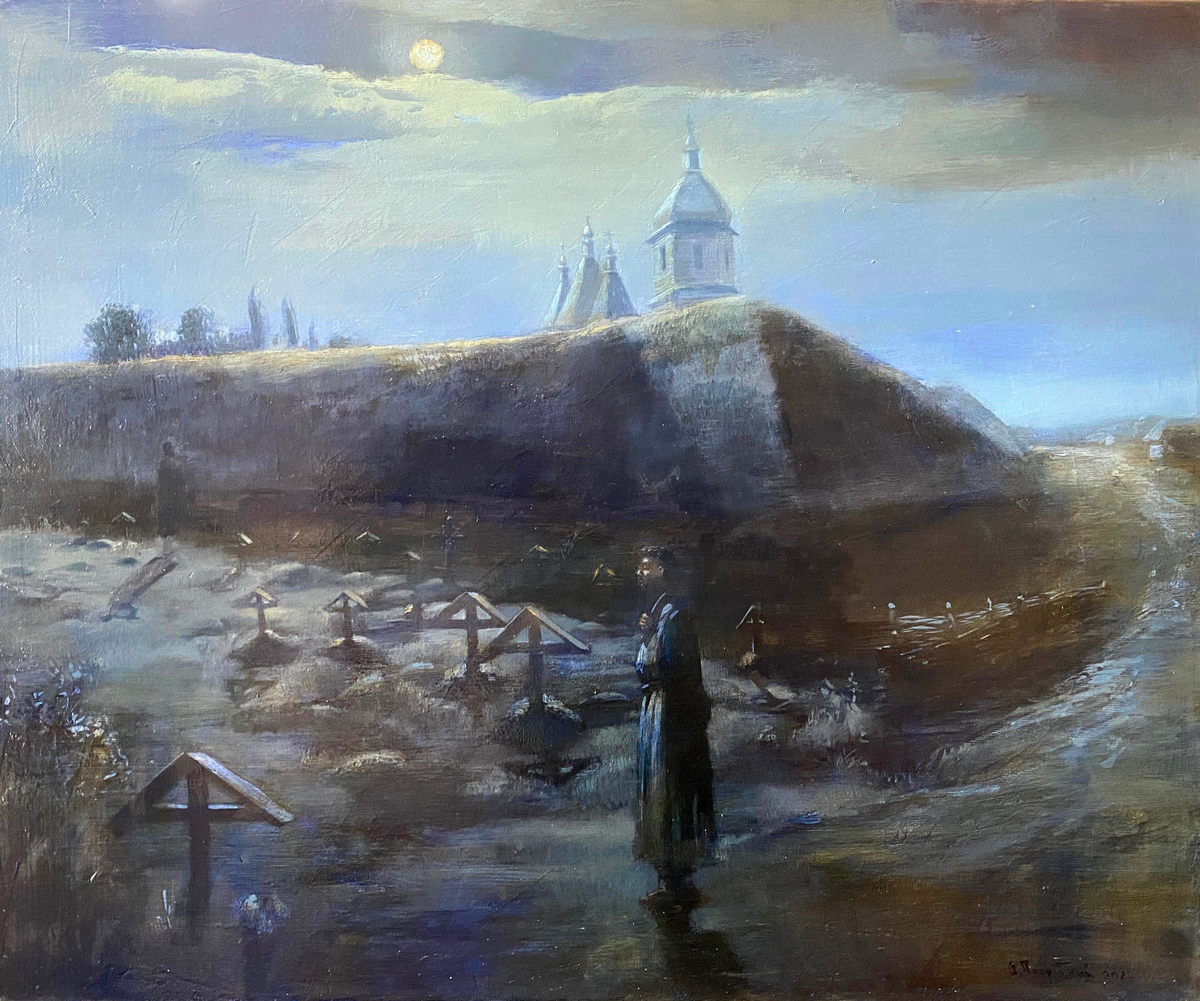
Місце для обителі — гора на правому березі річки Куряж, неподалік від Харкова — було обране з урахуванням можливості оборонятися в разі потреби. Одразу було зрозуміло, що майбутній монастир потребуватиме доброго укріплення, адже він розташовувався західніше полкового міста, дорогою на фортеці Вільшана і Богодухів, та ще й у напрямку Муравського шляху.
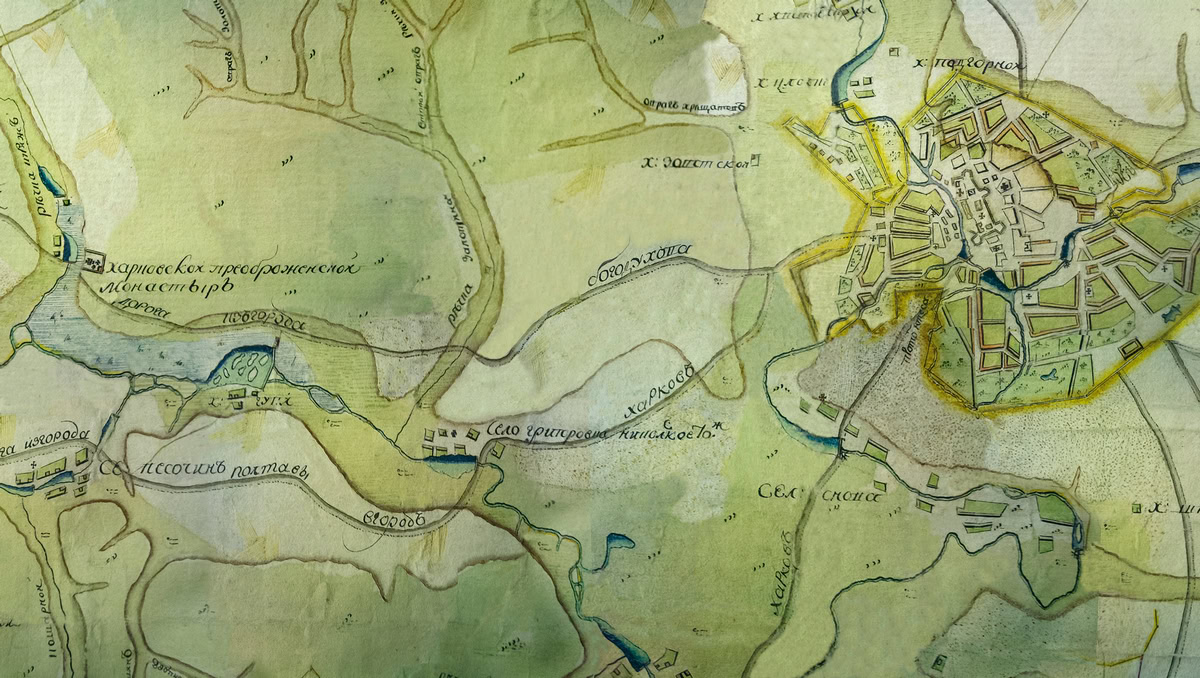
Ці землі належали Ієремії Белашу Тенетевському. Донець-Захаржевський викупив їх за 200 золотих і млин біля села Данилівка. Майже два століття потому, у середині XIX-го, архієпископ Філарет (Гумілевський) так описував цю мальовничу місцевість:
«На возвышенности довольно значительной, окруженный с трех сторон садами и деревьями, оставшимися после глухих лесов, на дороге из Ольшаной он (монастир — ред.) виден на восемь верст. Обрывы горы на северной и северо-западной сторонах его, покрытые зеленью, деревьями и садами, дики и картинны. Самую же лучшую собственность его местности составляют ключи, бьющие из ребер горы с водою холодною, чистою, легкою и здоровою».
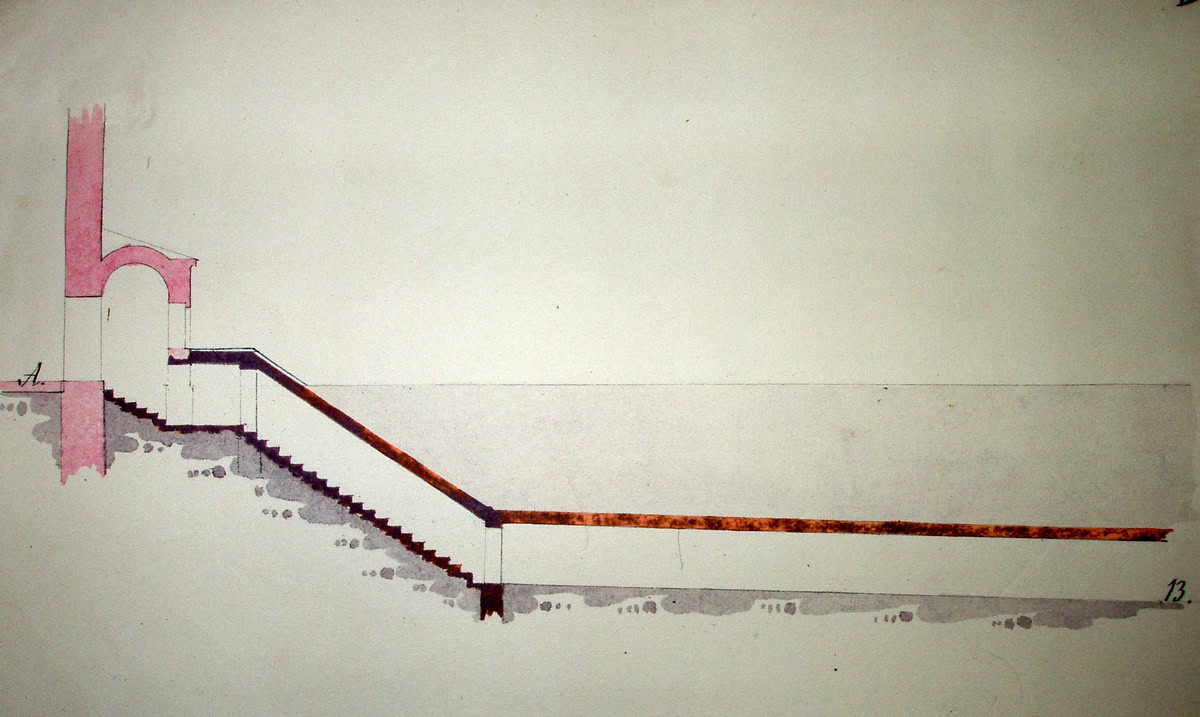
28 квітня 1673 року московський цар Олексій Михайлович підписав указ, яким дозволив заснувати монастир. Спочатку були зведені острожні стіни. Пізніше їм було додано облами, а з трьох сторін — викопаний рів глибиною 2 сажні (4,26 м) та шириною 3 сажні (6,4 м) і насипаний вал 2 сажні заввишки. До монастиря вела проїзна башта 6 сажнів (12,78 м) заввишки, на якій була встановлена гармата. На східній частині монастирських стін стояла глуха башта з вістовою гарматою в напрямку Харкова.
Того ж 1673 року в середині монастиря почалося зведення дерев’яного Преображенського соборного храма, а поруч із ним — дзвіниці, теж дерев’яної. Із монастиря йшов підземний хід, що мав два відгалуження. Одне вело до тайницького колодязя (джерела під монастирською горою), а друге — до лісу на сході від обителі.
У монастирі постійно перебував гарнізон із козаків харківського полку, який регулярно змінювався, за виключенням гармашів (вони тут жили стало). Козаки з монастиря виїжджали на сторожі в напрямку Вільшани та річки Череватої. Із часом сторож більшало, але майже всі вони були в напрямку Муравського шляху. Важливість Преображенського монастиря як передового форпосту для Харківської фортеці грала вочевидь не останню роль. Про це свідчать вихід з нього сторож, постійне вдосконалення укріплень і посилення монастирської артилерії (на 1688 рік було вже чотири гармати).
Першим настоятелем монастиря став святогірський архімандрит Йоїль, який прийшов лише з кількома ченцями. Щоправда, невдовзі він повернувся до Святогір’я, де за кілька років був захоплений у полон татарами. Його наступником став настоятель Зміївського монастиря ігумен Манасія (Місаїл), якого Донець-Захаржевський запросив із конкретною метою — налагодити економіку Преображенського монастиря. У 1678 році Манасію змінив архімандрит Герман. І лише четвертий настоятель Іоасаф доволі багато зробив для закріплення монастирських земель — він отримав на них царські грамоти.
У 1689 році, після побудови в Харкові Успенського собору та Покровської домової церкви, Донець-Захаржевський подарував Преображенському монастирю цегельні біля підніжжя Холодної гори. Відтоді на території обителі почали будувати кам’яні будівлі, а пізніше і стіни.
Від самого початку представники козацької старшини вносили вклади в монастир, дарували землі та богослужбові книги. Приклад їм подав полковник Григорій Донець-Захаржевський, який подарував монастирю куплені у дітей боярських землі «на польовому» (пізніше на них було засноване село Польова, де жили монастирські економічні селяни). У 1678 році кум Донця-Захаржевського і монастирський ктитор Логвин Люботинський побудував для обителі млин і знайшов мірошника для нього Лавріна Кудрю.
«Место для Куряжского монастыря было выбрано очень удачное по своему живописному положению. И теперь монастырь окружен прекрасным громадным лесом, с удивительным источником ключевой воды. Что же было тогда! В деле заселения края и развития его культуры монастыри играли видную роль. Владея землями и угодьями, они зазывали крестьян, заселяли ими деревни. Хозяйство, веденное в больших размерах, служило образцом для населения края, тем более, что монахи не ограничивались одним хлебопашеством, вели скотоводство, пчеловодство и пр., в чем только нуждался монастырь и его братия. Татарские нападения заставляли укреплять стены, заводить пушки, держать ратных людей. И в деле просвещения монастыри всё-таки кое-что вносили в народ», — писав історик Євген Альбовський («Харківськи козаки», 1914 рік).
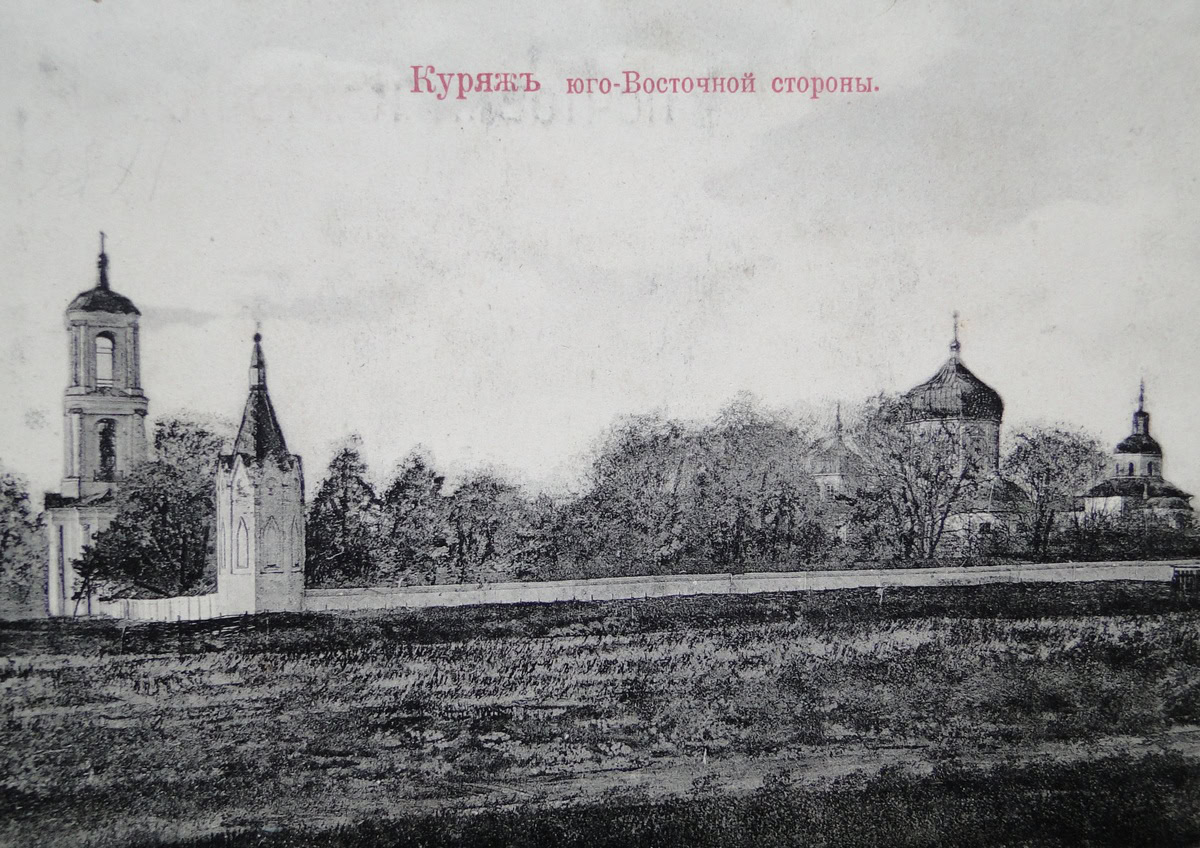
У монастирі почали ховати і перших своїх ктиторів і вкладників. Так, 8 жовтня 1685 року було поховано Логвина Люботинського, 18 червня 1690 року — полковника Григорія Єрофійовича Донця-Захаржевського під іменем Авдій (чому під цим іменем — достеменно невідомо, скоріш за все, воно було обрано під час постригу в чернетцтво). 17 жовтня 1713 року тут поховали ктитора Івана Танського, 14 серпня 1721 року — дружину полковника Євдокію Григорівну Донець-Захаржевську, 23 листопада 1723-го — ктитора Івана Григоровича Донця-Захаржевського. Цей список можна продовжувати і продовжувати.
У 1709 році в монастирі була побудована трапезна кам’яна двоповерхова Георгіївська церква, а третій храм, Преподобного Онуфрія, було зведено 1753 року з дерева. Він стояв за монастирськими стінами. У храмі було два колодязі: один у вівтарі під престолом, другий — посеред церкви під амвоном. Вода з них чавунними трубами витікала за церкву в річку Куряж.
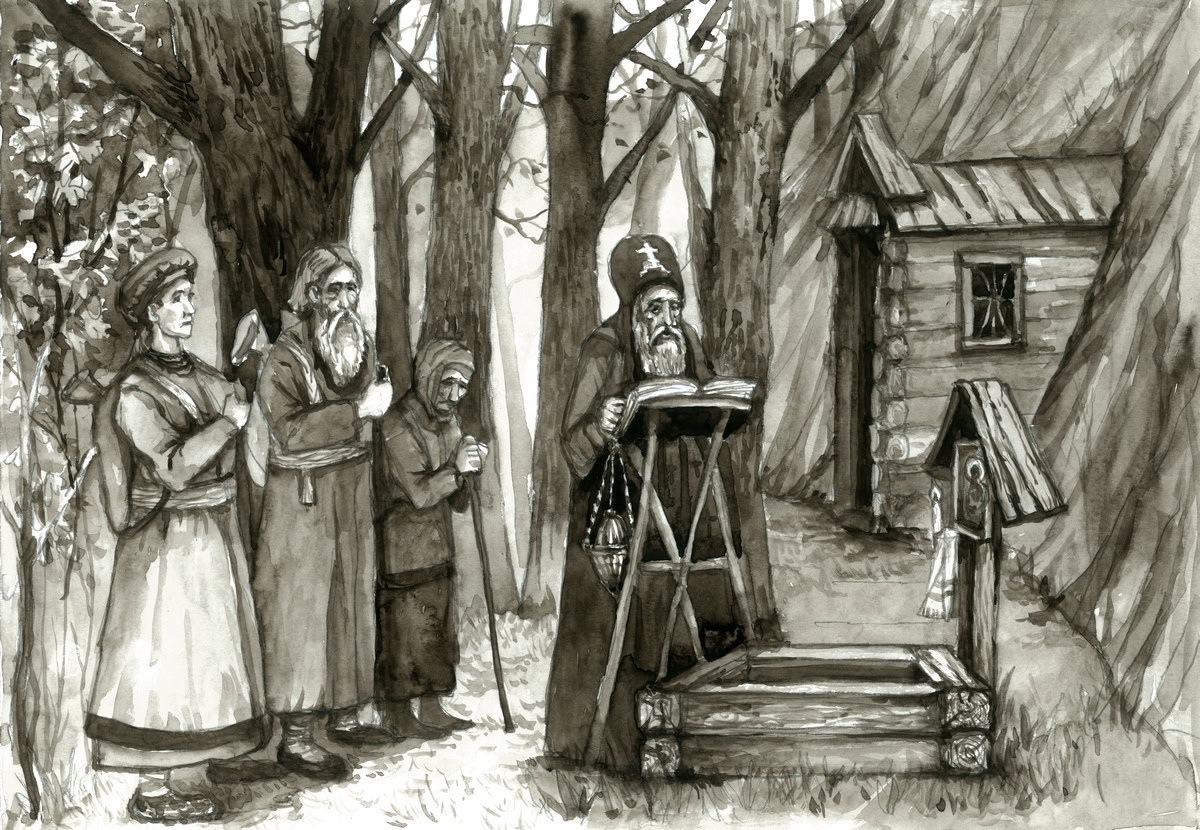
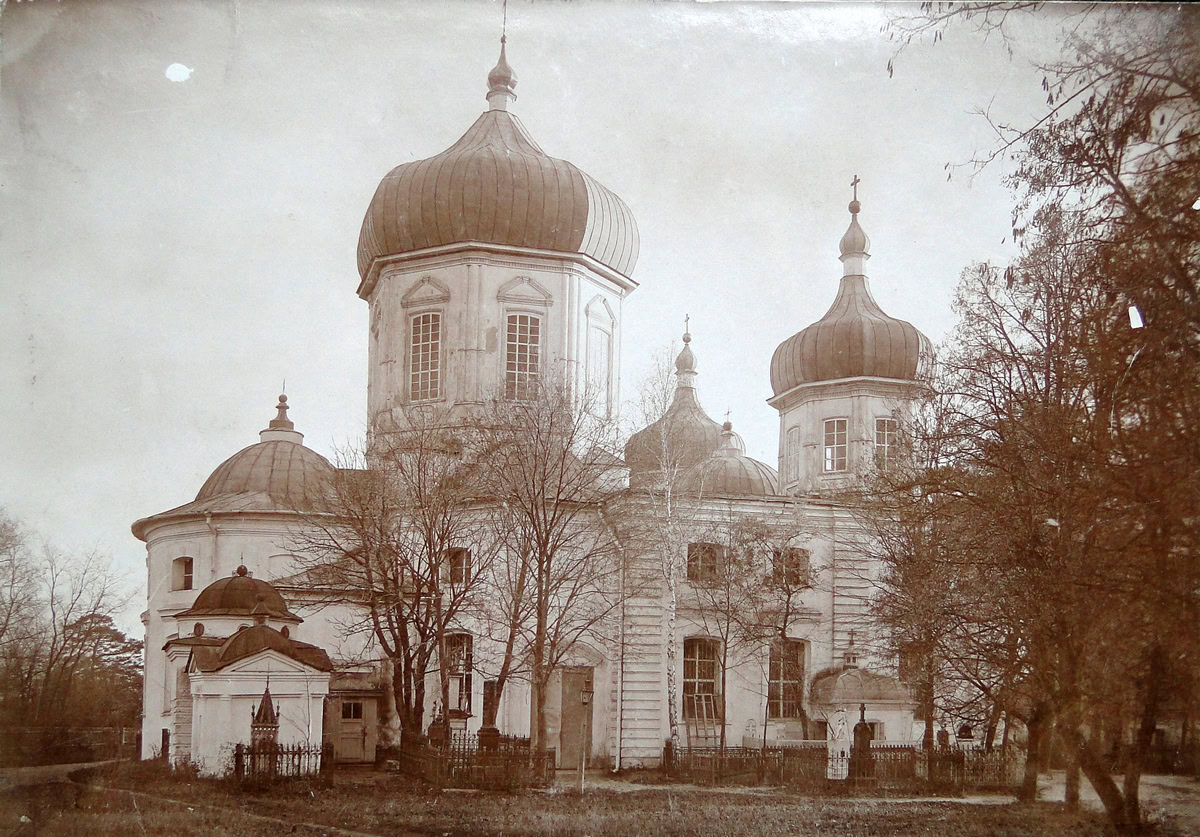
Після заснування в Харкові Покровського колегіумського монастиря Преображенський монастир став іменуватися Старо-Харківським, а в народі він отримав ще одну назву — Курязький, за назвою річки, на якій стояв. В середині XVIII століття старий соборний Преображенський храм занепав, тож у 1760-1762 роках було побудовано новий кам’яний п’ятичастний, хрещатий у плані собор із п’ятьма куполами у слобожанському архітектурному стилі. На той час його вважали найкрасивішим храмом всієї Слобідщини, недарма саме за його зразком було вирішено будувати новий Успенський собор у Харкові.
На 1782 рік монастирю належало тільки поруч з його стінами 1227 десятин землі. У селі Куряж проживали 319 підданих черкас, які виконували монастирські роботи за право користуватися землею. В обителі були і гарні келії, і свій сад, і млин на Куряжі. У річці водилися щуки, окуні, карасі, плотва, в’юни, лини та раки, яких подавали до монастирського столу. На родючих землях чудово росли жито, пшениця, гречка, просо, овес, ячмінь, коноплі та льон. Були добрі сіножаті й ліс, як будівельний (дубовий та березовий), так і дров’яний (кленовий, липовий, горіховий). До вилучення земель згідно маніфесту про секуляризацію 1788 року монастир був однією з найбагатших обителей Слобідської України.
Позбавлений земель, монастир вцілів лише завдяки тому, що до нього звозили майно з інших монастирів Слобідської України. Саме так тут опинилася й ікона Озерянської Божої Матері. Сюди ж відправляли і монахів із закритих обителей. Майже вісім років Преображенський Курязький монастир простояв недіючим, а у 1796 році зусиллями генерал-губернатора Андрія Леванідова його було відновлено. За проханням харківців імператор Павло I повернув частину монастирських земель, млин і рибні ловлі. Але, попри все, обитель втратила свою силу й економічну міць та почала занепадати.
Собор неодноразово перебудовували. До сьогодні зберігся його образ, відомий за фотографіями Стефана Таранушенка. Дерев’яні стіни були замінені кам’яними з круглими баштами та трьохярусною дзвіницею. Ліси навкруги монастиря повирубали. Криниці втратили свою силу. Річка Куряж обміліла.
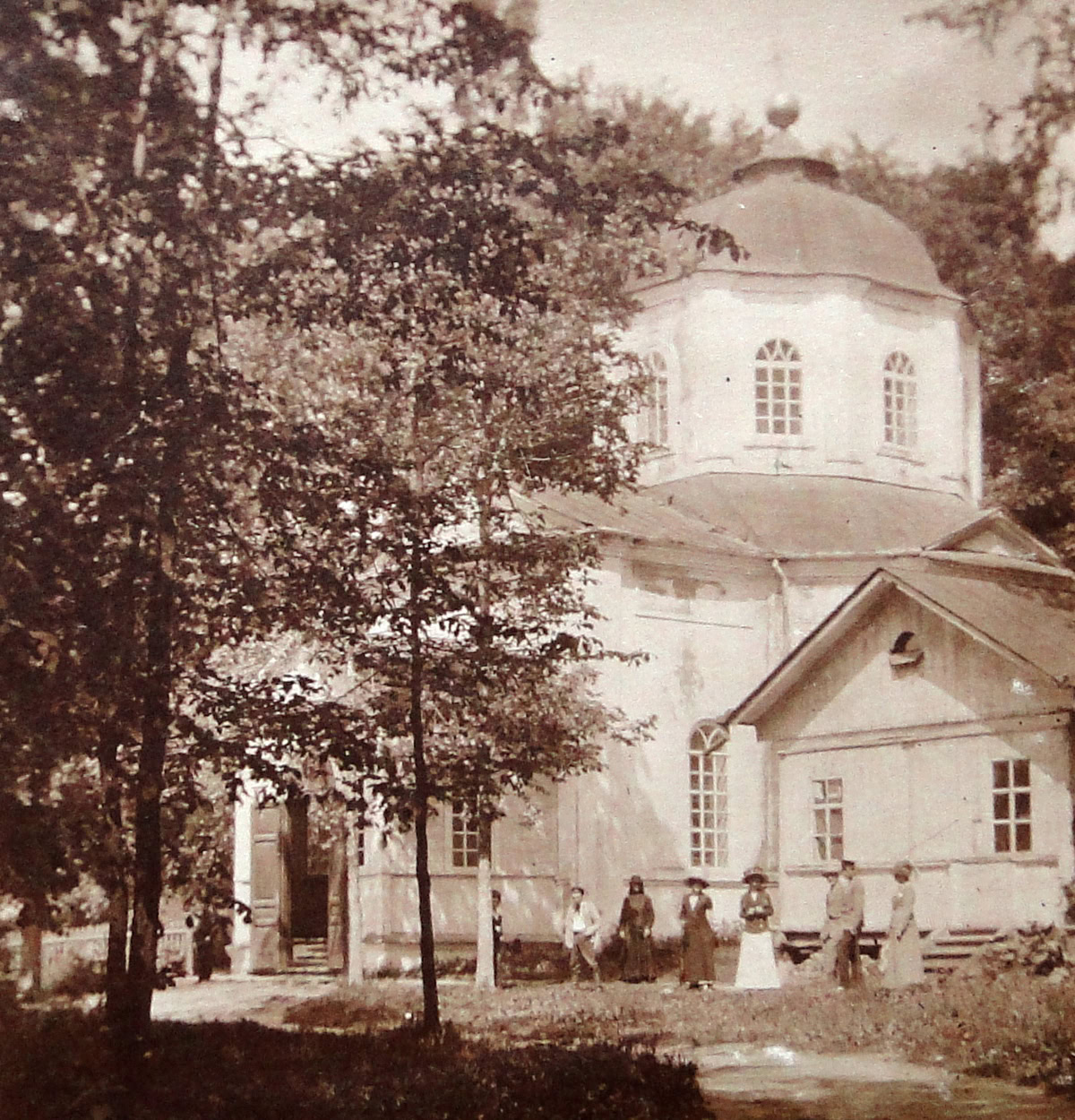
Монастир почав оживати лише у середині ХІХ століття, після зародження традиції хресної ходи з Озерянською іконою (восени до Харкова і навесні назад), але все одно не зміг повернути собі колишньої духовної влади над харківцями.
Зі встановленням радянської влади монастир був ліквідований. Замість нього заснували колонію для малолітніх злочинців. Проте місцеві жителі ще деякий час використовували Преображенський собор як парафіяльний храм. У 1926 році він був закритий остаточно.
«Фортеця Харків» — цикл матеріалів дослідника історії Слобідської України Андрія Парамонова. Читайте колонку автора на MediaPort